In today’s fast-changing world of industrial power solutions, picking the right industrial Power Transformer isn’t just a technical choice—it's key to keeping things running smoothly and reliably. Did you know that, according to a recent report by Research and Markets, the global market for these transformers is expected to hit around $24.5 billion by 2025? That just shows how much demand there is for more advanced and dependable power systems. A company like Jiangxi Guoxiang Electric Power Equipment Co., Ltd., which started back in 2016, really gets this. They specialize in offering complete power solutions—covering everything from research and development to manufacturing and engineering services—all tailored to different industrial needs.
Dr. Andrew Thompson, a well-known expert in electrical engineering, puts it simply: “Choosing the right Industrial Power Transformer can make a huge difference in how well your electrical systems perform and how long they last. It’s really important to understand the specs and the operational demands before making a decision.” As industries keep growing and innovating, choosing the right transformer can get pretty complicated. You need to understand its technical details, efficiency ratings, and whether it’ll fit in with your existing setup. Our goal with this guide? To give you practical tips and some solid insights to help you pick the best transformer for your specific situation.
Hopefully, this makes the whole selection process a bit less intimidating and a lot more manageable.
Understanding the Role of Industrial Power Transformers in Energy Distribution
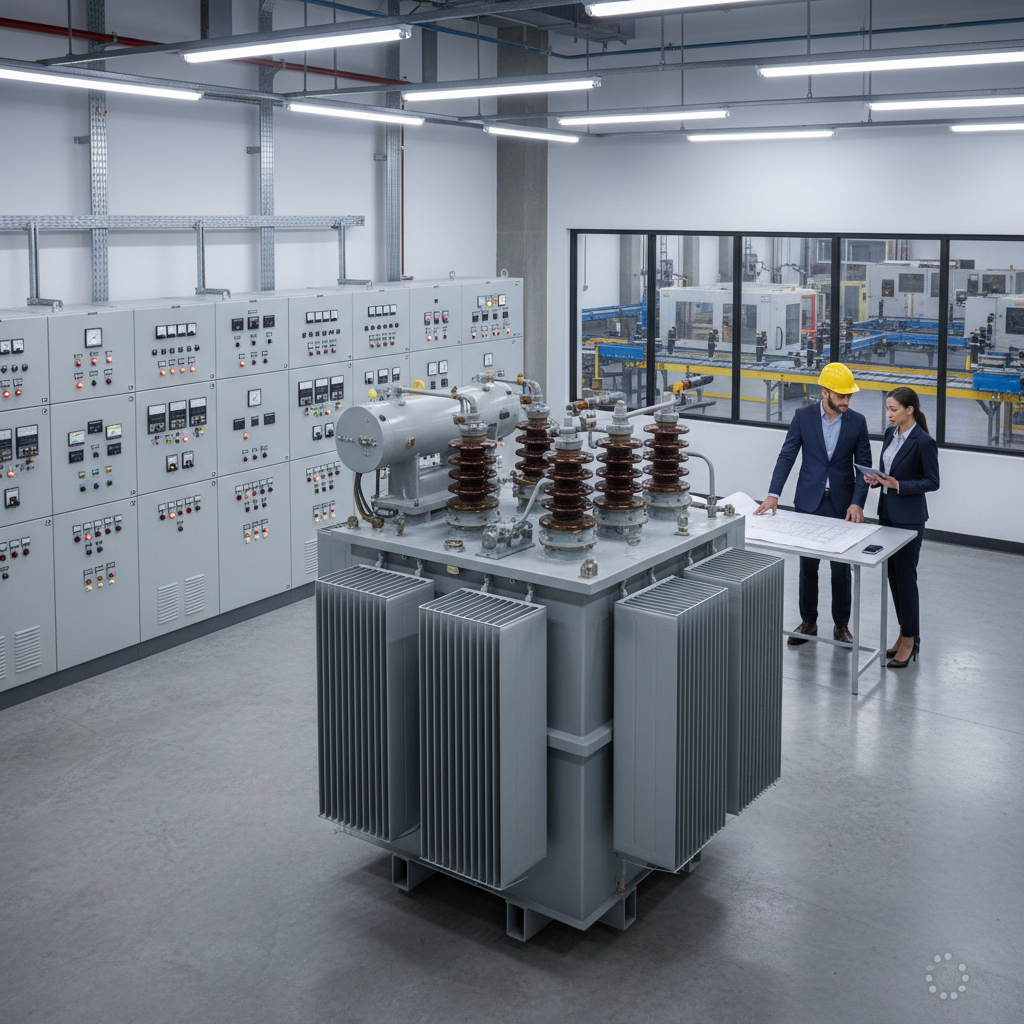
Industrial power transformers play a crucial role in energy distribution systems by regulating voltage levels and ensuring efficient electricity supply across various sectors. According to a report by the International Energy Agency, around 70% of global electricity transmission relies on transformer technology, highlighting their importance in maintaining system stability and optimizing energy flow. These transformers adapt high voltages from transmission lines down to lower voltages suited for local consumption, mitigating losses and enhancing performance.
The selection of the right transformer is essential for operational efficiency and reliability. Factors such as load requirements, voltage specifications, and environmental conditions need to be carefully considered. Data from the Electric Power Research Institute indicates that improperly sized transformers can lead to energy losses of up to 15%, significantly impacting operational costs. When choosing an industrial power transformer, one should assess factors such as efficiency ratings, insulation type, and cooling methods, ensuring that the transformer aligns with the specific energy distribution needs of the facility.
Key Specifications to Consider When Choosing an Industrial Power Transformer
When selecting an industrial power transformer, key specifications play a crucial role in meeting your operational needs. First, consider the transformer's power rating, typically measured in kilovolt-amperes (kVA). For instance, the global transformer market is expected to grow, with a significant demand for transformers rated between 500 kVA and 2 MVA, highlighting their essential role in industrial applications. The right power rating ensures that the transformer can handle load fluctuations without overheating or compromising efficiency.
Additionally, evaluate the transformer's voltage levels, including primary and secondary voltages, to match your specific distribution requirements. The efficiency rating, often exceeding 95% for modern designs, is another critical factor, as it affects operational costs over time. Conducting a thorough assessment of these specifications not only enhances reliability but also contributes to energy savings.
Tips:
1. Prioritize transformers with adjustable tap settings to accommodate voltage variations and ensure stable performance.
2. Always consult manufacturer data on thermal performance, as adequate cooling mechanisms can significantly extend the transformer's operational lifespan.
3. Consider maintenance requirements and select models that offer easy access for routine checks, reducing downtime and increasing productivity.
Evaluating Load Requirements: How to Determine Transformer Capacity
When selecting an industrial power transformer, it is crucial to evaluate load requirements effectively to determine the appropriate transformer capacity. In 2023, the International Electrotechnical Commission (IEC) reported that a significant percentage of transformer failures were attributed to inadequate sizing, highlighting the importance of accurate capacity assessments. This involves not only understanding the maximum load that equipment will draw but also considering potential future growth in demand.
One method to determine transformer capacity is to calculate the total load in kilowatts (kW) or kilovolt-amperes (kVA) of all connected equipment. A typical industrial facility might require between 100 kVA to several megavolt-amperes (MVA), depending on the complexity of operations. According to a recent report by the Edison Electric Institute, more than 60% of industrial facilities exceed their designed transformer capacity due to insufficient load analysis during the initial selection process.
Additionally, it is recommended to incorporate a safety margin of at least 25% to account for load variations and potential expansions. Accurate load evaluation not only enhances operational efficiency but also extends the lifespan of the transformer, minimizing unplanned maintenance due to overloading. By systematically analyzing these factors, facilities can ensure they choose a transformer that meets their current and future needs effectively.
The Impact of Efficiency Ratings on Operational Costs
When selecting the right industrial power transformer, understanding efficiency ratings is crucial to managing operational costs. Efficiency ratings indicate how effectively a transformer converts electrical power into usable energy. A higher efficiency rating not only minimizes energy losses but also reduces the overall demand on your electrical system, leading to lower energy bills. For businesses focused on sustainability, choosing transformers with excellent efficiency ratings can also contribute to reduced carbon footprints.
**Tips:** Always look for transformers with efficiency ratings that comply with current energy standards, such as the DOE regulations in the United States. Additionally, consider the full-load efficiency and no-load loss—these two factors will significantly affect your transformer’s long-term operation costs.
Utilizing more efficient transformers may require a larger initial investment but can lead to significant savings over time. Conducting a life-cycle cost analysis will help you weigh the up-front costs against potential savings in energy expenses. Remember, the right transformer not only meets your immediate power needs but also aligns with your long-term operational and financial goals.
Assessing Environmental Conditions for Optimal Transformer Performance
Assessing environmental conditions is crucial when selecting the right industrial power transformer. Factors such as temperature, humidity, and exposure to pollutants can significantly affect the performance and longevity of transformers. According to the Electric Power Research Institute (EPRI), temperature fluctuations can lead to increases in the transformer's operational stress, potentially shortening its lifespan by up to 20%. This highlights the importance of evaluating the installation site to ensure optimal operating conditions that align with the transformer’s specifications.
Moreover, a report by the International Energy Agency (IEA) indicates that ambient humidity levels can influence moisture accumulation in transformers, which could compromise insulation integrity. For example, transformers operating in highly humid environments may require additional protection measures, such as heaters or humidity monitoring systems, to maintain efficiency. Understanding these environmental aspects is essential for making informed decisions, helping to ensure that the chosen transformer meets the operational demands while minimizing maintenance costs and enhancing reliability.
Future Trends in Industrial Power Transformers: Innovations and Sustainability Factors
As industries strive for innovation and sustainability, the demand for advanced industrial power transformers is poised to grow significantly. By 2033, the magnetic ferrite materials market, driven by manganese-zinc and nickel-zinc compositions, is estimated to expand in applications ranging from consumer electronics to electric vehicles, indicating a broader trend towards adopting sustainable materials. This aligns with the projected compound annual growth rate (CAGR) of 16.1% for rotary transformers, expected to reach a value of $3.57 billion by 2033. This surge reflects the industry's commitment to integrating technology that maximizes efficiency while minimizing environmental impact.
**Tip:** Look for transformers that utilize eco-friendly insulating paper, as the market analysis indicates a shift towards materials that reduce energy loss. The transformer insulation paper market is anticipated to grow from $12 million in 2022 to $18 million by 2030, indicating a substantive interest in sustainable electrical components.
In the evolving landscape of industrial power solutions, trends such as green power supply systems are gaining traction. The expected rise in the DC railway power systems market highlights a shift to more sustainable energy solutions in transportation, aligning with global efforts to combat climate change. Embracing these advances not only enhances operational efficiency but also contributes to a greener future.
2025 How to Choose the Right Industrial Power Transformer for Your Needs - Future Trends in Industrial Power Transformers: Innovations and Sustainability Factors
| Dimension | Option A | Option B | Option C |
| Power Rating (kVA) | 500 | 750 | 1000 |
| Efficiency (%) | 98.5 | 98.0 | 97.5 |
| Total Losses (W) | 2000 | 2500 | 3000 |
| Cooling Type | Oil | Air | Water |
| Insulation Class | H | F | B |
| Environmental Impact | Low | Medium | High |
Optimizing Power Distribution with SGB Series Three-Phase Non Encapsulated Dry-Type Transformers
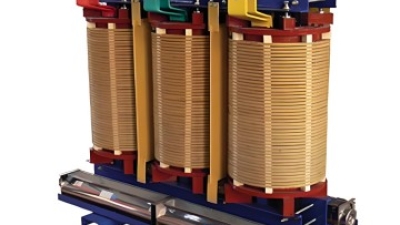
The SGB Series Three-Phase Non Encapsulated Dry-Type Transformers are engineered to optimize power distribution, particularly in settings that demand high safety standards and reliability. Utilizing advanced NOMEX® insulation technology, these transformers significantly enhance operational safety while achieving outstanding energy efficiency. Their open-ventilated design not only improves overall efficiency but also eliminates fire and explosion risks, leading to reduced long-term maintenance costs.
In addition to their innovative design, the SGB Series transformers are constructed with precision-balanced electromagnetic structures and corrosion-resistant components, ensuring exceptional durability in harsh environments. Performance validations indicate that these units exceed domestic standards, making them particularly effective in tropical climates with humidity levels surpassing 95%. The modular nature of the design allows for quick on-site servicing, reinforcing their life-cycle cost benefits and making them an ideal choice for critical applications such as offshore platforms, chemical processing plants, and high-rise commercial buildings where fire safety and moisture resistance are essential.
FAQS
: The transformer's power rating, typically measured in kilovolt-amperes (kVA), is a crucial specification to ensure it can handle load fluctuations without overheating.
The global market for transformers is expected to see significant demand for transformers rated between 500 kVA and 2 MVA.
The efficiency rating indicates how effectively a transformer converts electrical power into usable energy, influencing operational costs and energy savings over time.
Modern transformers often have efficiency ratings exceeding 95%, which helps minimize energy losses and reduces overall energy demand.
Adjustable tap settings allow transformers to accommodate voltage variations, ensuring stable performance in varying load conditions.
Understanding thermal performance and ensuring adequate cooling mechanisms are crucial, as they can significantly extend the transformer's operational lifespan.
It's advisable to select transformer models that offer easy access for routine maintenance checks to reduce downtime and increase productivity.
Opting for more efficient transformers may require a larger initial investment but can lead to significant long-term savings on energy costs.
Conducting a life-cycle cost analysis helps weigh the initial costs against potential savings in energy expenses over the transformer’s lifespan.
Transformers with excellent efficiency ratings can help businesses reduce their carbon footprint, contributing to sustainability efforts while lowering energy bills.
Conclusion
In the article "2025 How to Choose the Right Industrial Power Transformer for Your Needs," key considerations for selecting an Industrial Power Transformer are thoroughly discussed. The article emphasizes the critical role these transformers play in energy distribution and highlights essential specifications such as capacity, efficiency ratings, and environmental conditions. Understanding load requirements is crucial for determining transformer capacity, while evaluating efficiency ratings can significantly impact operational costs.
Additionally, the article addresses future trends in the industry, focusing on innovations and sustainability factors that are increasingly important. For companies like Jiangxi Guoxiang Electric Power Equipment Co., Ltd., which specializes in integrated power solutions, this information is vital to providing effective end-to-end services and ensuring that clients choose the most suitable Industrial Power Transformer for their specific applications.