Picking the right 500kVA dry Type Transformer for your distribution room isn’t just a technical choice—it's pretty much essential for keeping things running smoothly and efficiently. I remember talking to John Smith over at PowerTech Solutions, and he mentioned, ‘Choosing the right transformer can make a huge difference in how reliably your system operates.’ Honestly, that really stuck with me because it highlights how crucial it is to make smart, informed decisions based on what your facility actually needs.
When you're shopping for a 500kVA dry type transformer, there’s a lot to think about—things like how much load you'll be handling, the environmental conditions on-site, and the space available for installation. Skimping on these details can lead to some serious headaches down the line. Finding a transformer that’s just right for your needs can boost safety and boost overall performance.
But if you overlook some key factors, trouble might crop up. For instance, picking a transformer that’s underrated could cause it to overheat—nobody wants that! Or ignoring the conditions of the installation spot could lead to early wear and tear. It's all about balancing performance, efficiency, and budget. And honestly, the goal isn’t just to meet your current needs but also to be ready for future ones—like maybe upgrading to an 800kva dry type transformer down the road when your needs grow.
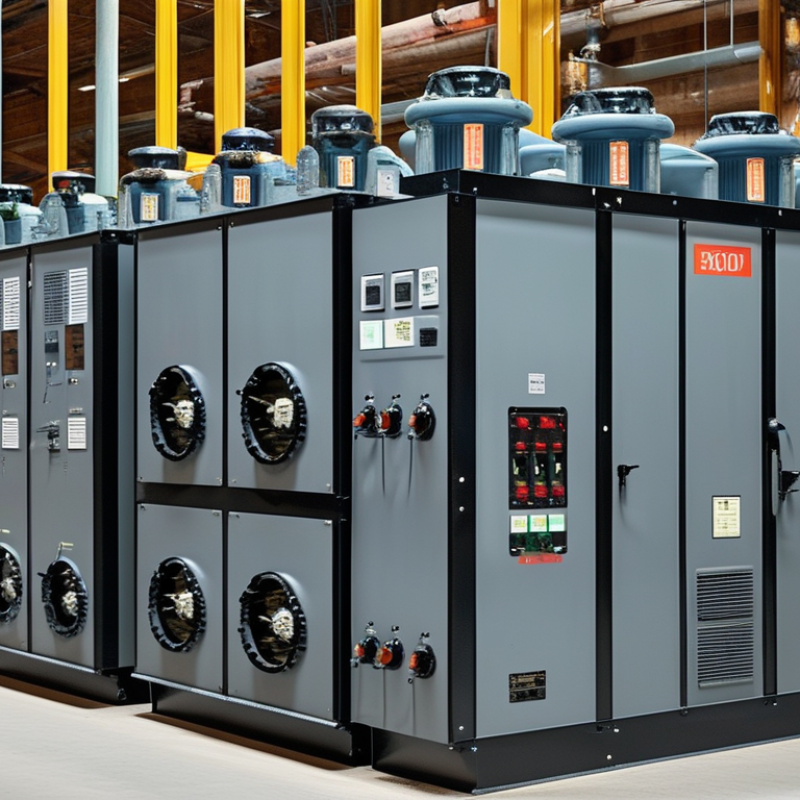
Understanding the Role of 500kVA Dry Type Transformers in Distribution Rooms
Understanding the role of 500kVA dry type transformers in distribution rooms is essential for ensuring Reliable Power distribution. These transformers convert high-voltage electricity to a lower voltage suitable for your facility. They operate without oil, reducing fire risks, and are a great choice for indoor installations. Their compact design helps save space in crowded distribution rooms.
When selecting a 500kva Transformer, consider the specific needs of your facility. Evaluate the power load requirements carefully. Underestimating the load can lead to overheating and failure. Overestimating the load can result in unnecessary costs. Customizing the transformer to match real-time power demand is vital.
Tips for choosing the right 500kVA transformer include checking temperature ratings. Ensure that the unit can handle the ambient temperature of your distribution room. Additionally, inspect the cooling options available. Proper cooling helps maintain efficiency and longevity. Regular maintenance is crucial. It helps identify potential issues early and keeps the transformer operational. Proper understanding and careful selection lead to an efficient distribution system.
Key Specifications to Consider for 500kVA Dry Type Transformers
When selecting a 500kVA dry type transformer, understanding key specifications is crucial. First, consider the voltage ratings. Most distribution rooms operate on standard voltages such as 480V or 600V. It’s essential to match the transformer’s input and output voltage ratings to the specific site requirements to avoid operational issues.
Thermal management is another critical factor. Many reports indicate that dry type transformers can withstand ambient temperatures up to 40°C. However, ensuring proper ventilation and airflow can enhance their lifespan. Look for transformers with high-grade insulation systems, as they provide valuable protection against overheating and improve efficiency.
It’s also important to evaluate the transformer’s impedance and short-circuit capability. Typically, a standard impedance for a 500kVA transformer ranges between 5% and 7%. This specification influences overall system stability and can affect how the transformer interacts with other components. Conducting a thorough assessment of these specifications can prevent performance issues later on. A well-chosen transformer can significantly enhance the reliability of your distribution system in the long run.
How to Choose the Right 500kVA Dry Type Transformer for Your Distribution Room?
| Specification | Value | Remark |
| Rated Power | 500 kVA | Standard rating |
| Input Voltage | 400 V | Common industrial voltage |
| Output Voltage | 400 V | Nominal output voltage |
| Frequency | 50 Hz / 60 Hz | Dependent on region |
| Cooling Method | Natural Air Cooling | Class A insulation |
| Efficiency | > 98% | High efficiency rating |
| Protection Level | IP20 | Indoor use |
| Weight | Approx. 800 kg | Weight can vary |
Evaluating Environmental Factors for Transformer Placement
When selecting a 500kVA dry type transformer, consider the environmental factors impacting its placement. The location plays a crucial role in ensuring efficiency and safety. For instance, transformers should not be placed in areas prone to flooding. According to industry standards, a minimum clearance of 3 feet is recommended around transformers to ensure proper ventilation.
Noise levels must also be evaluated. Dry type transformers can produce significant sound, with decibel levels often exceeding 70 dB. Placing the transformer away from residential or sensitive areas can mitigate complaints. Additionally, the ambient temperature affects performance. Ideal operating conditions range between 25°C and 40°C. Installing the transformer in a cooler, well-ventilated area can extend its lifespan.
Consider sunlight exposure and its potential impact. Direct sunlight can increase operating temperatures. A shaded location, or even the use of reflective materials, can reduce heat buildup. Construct barriers to shield your transformer from harsh weather conditions. Environmental assessments should also account for seismic activity in certain regions or other local risks.
Choose your transformer location wisely. Examine weather patterns, noise, and accessibility. Seek professional guidance if unsure about environmental impacts. An informed decision can prevent costly adjustments later on.
Assessing Load Requirements and Future Expansion Needs
When selecting a 500kVA dry type transformer, understanding load requirements is crucial. Assess the current energy needs of your distribution room. Calculate the total wattage used by all connected devices. Ensure the transformer can handle this load with a safe margin. For instance, if your equipment draws 400kVA, a 500kVA transformer provides a buffer. This buffer is vital for daily operations and minimizes risks of overload.
Future expansion should not be overlooked. Consider your projected growth over the next five to ten years. Will you add more equipment or increase operating hours? If so, opt for a Dry Type Distribution Transformer with room for additional capacity. A common oversight is underestimating future demands. An inadequate transformer could lead to costly interruptions. Striking the right balance between current needs and future capacity will secure a reliable power supply.
Make sure to verify installation specifications and environmental factors. A dry type distribution transformer can be less susceptible to moisture issues. However, it still requires proper ventilation. Evaluate your distribution room's space and airflow. Assessing these aspects early can save time and resources in the long run. Planning wisely today can prevent regret tomorrow.
Comparing Different Brands and Models of 500kVA Dry Type Transformers
When selecting a 500kVA Dry Type Transformer, it's crucial to compare different brands and models. Each brand offers unique specifications that can affect your distribution room's efficiency. Look for transformers that meet industry standards while offering reliable performance. Assess the cooling methods, efficiency ratings, and the transformer's environmental compatibility.
Some brands excel in energy efficiency, while others focus on durability. Consider the noise levels produced by the Dry Type Transformer. A quieter model can significantly improve working conditions. Additionally, pay attention to installation requirements. Some models may need extensive modifications to your existing setup.
*Tips:* Evaluate brand reputation based on user reviews. It's beneficial to consult with experts who have experience with different models. Look for transformers with good warranties. This can provide peace of mind for future maintenance. Always keep in mind that not all features align perfectly with your needs. Reflect on what aspects are most critical before making your decision.
Comparison of Efficiency Ratings of 500kVA Dry Type Transformers
Installation and Maintenance Considerations for Dry Type Transformers
When selecting a 500kVA dry type transformer for your distribution room, installation and maintenance should be top priorities. Proper installation is crucial for optimal performance. Ensure that the transformer is situated in a well-ventilated area to prevent overheating. Adequate space around the unit allows for airflow, which contributes to maintaining a stable operating temperature. Use vibration dampeners if the transformer is placed in an area prone to seismic activity. This could mitigate potential risks and prolong the equipment's lifespan.
Regular maintenance is essential for efficiency. Schedule routine inspections to identify wear and tear. Look for signs of overheating or unusual noises. These could indicate underlying issues that require immediate attention. Cleaning the transformer regularly can prevent dust accumulation, which impacts cooling efficiency. Keep in mind that while dry type transformers are more forgiving than oil-filled types, they still require care. Neglecting even minor maintenance can lead to significant operational failures. Adopting a proactive approach is key to ensuring reliability and longevity.
Cost Analysis and Budgeting for Your Transformer Purchase
When selecting a 500kVA dry type transformer, cost analysis is crucial. The total cost comprises several components, including the transformer itself, installation, and maintenance. Research shows that transformer equipment costs can represent 40-50% of the total upfront expenses. Installation can add another 20-30%, depending on site specifics. This means careful budgeting is essential for maximizing efficiency.
Additionally, maintenance often goes overlooked. Industry data indicate that annual maintenance costs for transformers can range from 1-5% of the initial purchase price. What seems like minor expenses can accumulate over time. This highlights the importance of planning for ongoing costs when budgeting for a 1000 Kva Dry Type Transformer. Neglecting these expenses could lead to unexpected financial strain.
Moreover, fluctuating market prices can impact the budget significantly. The transformer market is influenced by global supply chains and material costs. Reports show that copper and aluminum prices can swing dramatically, affecting transformer costs directly. Thus, staying informed about market trends is vital in making a sound financial decision. Those making a purchase should also consider the long-term power needs of their distribution room, ensuring the chosen transformer supports future expansion without excessive costs.
Innovative Solutions: China Manufacturer's User-Friendly Three-Phase Oil-Immersed Transformer S(B)-M Series with Customization Options
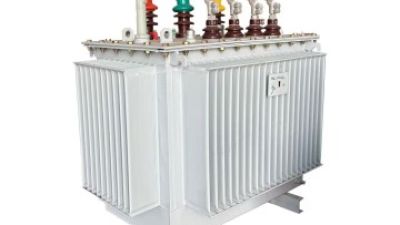
The innovative S(B)-M Series of three-phase oil-immersed transformers presents a user-friendly design tailored to meet the demands of modern electrical systems. With options for customization, these transformers are engineered to maximize efficiency while minimizing environmental impact. Industry reports indicate that the global transformer market size is expected to reach USD 38.32 billion by 2027, driven by an increasing focus on renewable energy integration and energy-efficient technologies. This highlights the importance of advanced products such as the S(B)-M Series in supporting sustainable infrastructure.
The S(B)11/13/20/22-M Series stands out for its compact design and lightweight construction, which results from meticulous material selection and cutting-edge manufacturing processes. According to a recent market analysis, oil-immersed transformers are particularly favored in various applications due to their low loss characteristics and minimal partial discharge emissions—key factors that enhance their reliability and lifespan. Moreover, these transformers operate at a lower noise level compared to traditional designs, which contributes not only to operational efficiency but also to improved user comfort in residential and commercial environments.
With a commitment to stability and economical performance, the S(B)-M Series offers a solution that is both reliable and environmentally friendly. As the demand for high-performance transformers grows, the features of the S(B)-M Series align perfectly with market needs, providing a glimpse into the future of energy distribution technologies.
FAQS
: Consider flooding risks, noise levels, and ambient temperatures. A well-ventilated space is vital.
A minimum clearance of 3 feet is recommended to ensure proper ventilation and safety.
They can exceed 70 dB, so place them away from residential areas to avoid complaints.
Ideal temperatures are between 25°C and 40°C. Cooler environments extend transformer lifespan.
Anticipating growth helps avoid underestimating demands, which can lead to costly interruptions.
Consider the transformer cost, installation, maintenance, and ongoing operational expenses.
They can be 1-5% of the initial purchase price annually, often overlooked but significant.
Fluctuating prices of materials like copper and aluminum can impact overall expenses significantly.
Yes, ensuring proper ventilation and space considerations is crucial for optimal performance.
Underestimating future load requirements can lead to inadequate capacity and operational issues.
Conclusion
Choosing the right 500kVA dry type transformer for your distribution room is critical for ensuring efficient power management. This article outlines the importance of understanding the role of such transformers, highlighting key specifications such as voltage ratings, cooling methods, and efficiency levels that must be considered. It emphasizes evaluating environmental factors like temperature, humidity, and space limitations that can impact transformer placement.
Additionally, assessing load requirements—including current demands and potential future expansion—is vital for selecting a transformer that meets both present and future needs. The article also compares various brands and models of 500kVA dry type transformers, focusing on installation and maintenance considerations to maximize performance and reliability. Lastly, a detailed cost analysis guides readers in budgeting effectively for their transformer purchase, ensuring they make an informed decision for their distribution room.