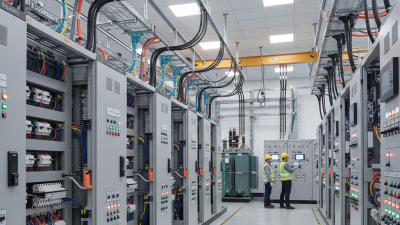
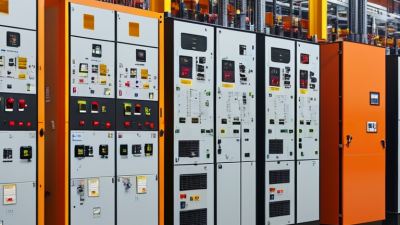
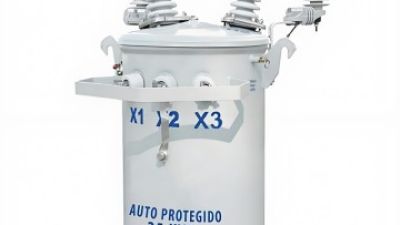
These days, there's a huge push for sustainable energy, and honestly, it's no wonder. People are on the lookout for smarter, more efficient ways to power up. One really interesting option that’s been catching attention is the solar Wind Transformer. Basically, it’s this cool technology that combines solar and wind energy, so you get the best of both worlds and make the most out of what Mother Nature has to offer.
What’s great about the solar wind transformer is that it provides a steady, reliable energy source because it taps into two natural resources. Plus, since it can run on both sun and wind, it’s pretty flexible – which is a big deal, especially in places where weather can be a bit unpredictable. Experts in renewable energy are really pushing to integrate these kinds of systems into larger power grids, making our energy future brighter and greener.
That said, jumping into new tech isn’t without its hiccups. Not all solar wind transformers are the same—some might not work so well in certain conditions. So, it’s really important to do your homework. Find a trusted provider who’s got a solid track record. Taking the time to understand what kind of system you’re getting can make a huge difference in making sure it actually suits your needs and performs like it should.
The Growing Demand for Renewable Energy Solutions
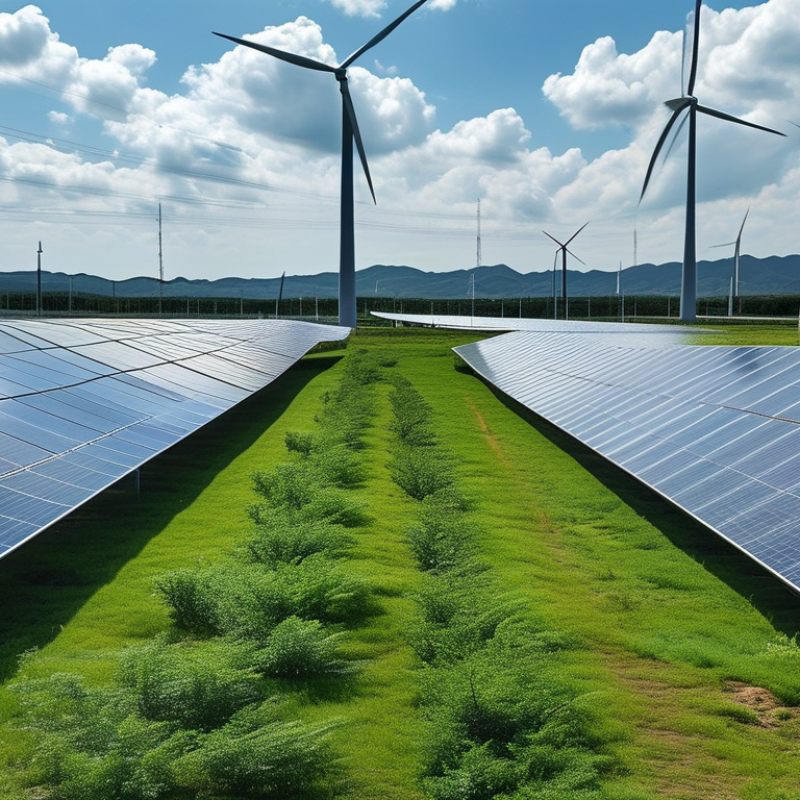
The shift towards renewable energy has gained immense momentum in recent years. As the world grapples with climate change, the demand for sustainable solutions rises. Solar wind transformers play a crucial role in harnessing energy from two abundant sources: solar and wind. This hybrid approach enhances energy reliability and sustainability.
Using solar and wind together is a smart choice. Solar panels excel during sunny days, while wind turbines generate power at night or during cloudy weather. This combination provides a steady energy supply, making it appealing for homes and businesses alike. However, transitioning to these technologies isn't without challenges. The initial costs can be significant, and understanding the technology requires some time and effort.
There is also the consideration of maintenance and land use. Installation may demand significant space and may affect local ecosystems. Users must reflect on these factors when planning their energy solutions. Despite these challenges, the advantages of using renewable energy sources remain clear. They offer long-term savings and a reduced ecological footprint, paving the way for a greener future.
Understanding the Functionality of Solar Wind Transformers
Solar Wind Transformers are innovative tools that integrate both solar and wind energy. They convert natural energy sources into usable power. This dual functionality helps in maximizing efficiency and reducing energy waste. Their design allows for better management of energy during varying weather conditions.
Using solar wind transformers can greatly enhance your energy independence. For instance, they adjust to changing wind speeds and sunlight levels. This adaptability is crucial in optimizing energy output. Consider placement; install transformers in open areas where wind flow is unobstructed. Efficient position maximizes energy capture.
It's essential to regularly inspect these transformers for maintenance. Components can wear over time, impacting efficiency. Additionally, assess local climate conditions. Not every location suits solar wind transformers equally well. Evaluate your needs closely to ensure this solution aligns with your goals.
Why Choose a Solar Wind Transformer for Your Energy Needs?
| Feature | Description | Benefits |
| Efficiency | Converts both solar and wind energy into usable electricity | Maximizes energy output from renewable sources |
| Cost-Effective | Reduces reliance on traditional electricity sources | Helps lower utility bills over time |
| Sustainability | Utilizes clean energy sources | Contributes to reducing carbon footprint |
| Versatility | Compatible with various energy systems | Easy integration into existing setups |
| Maintenance | Low maintenance requirements | Saves time and cost on upkeep |
Key Benefits of Integrating Solar Wind Transformers
Integrating solar wind transformers into your energy setup offers significant advantages. These transformers facilitate the conversion of renewable energy sources into usable power. By efficiently harnessing wind and solar energy, you reduce reliance on fossil fuels. This shift not only lowers your carbon footprint but also enhances energy reliability.
Solar wind transformers optimize energy usage during varying conditions. Wind energy fluctuates, and solar production depends on daylight. A Transformer For Wind Energy can balance these fluctuations, ensuring a consistent power supply. This integration minimizes energy waste and maximizes resource utilization. Moreover, utilizing renewable resources can lead to lower energy bills over time.
The installation of solar wind transformers may seem costly initially. However, the long-term savings are notable. You will observe decreased dependence on grid power. Additionally, local incentives often support the transition to renewable energy. User experiences highlight the importance of regular maintenance for these systems. Periodic checks can enhance performance and lifespan.
Cost-Effectiveness: Long-term Savings and ROI Analysis
Investing in a solar wind transformer can significantly impact your energy expenses. These systems allow for a more efficient integration of renewable sources while also minimizing costs. When considering cost-effectiveness, explore both initial investment and long-term savings. Analyzing your specific energy needs is essential here. Understanding your current consumption patterns can reveal opportunities for better efficiency.
Long-term savings are achievable through reduced utility bills. Each month, savings can accumulate, leading to a return on investment that may surprise you. Many users report recovering their costs within a few years, thanks to decreased reliance on traditional power sources. However, initial setup costs can be daunting. It's critical to evaluate these costs against potential long-term gains. Not all installations yield the same benefits. Oftentimes, overlooked factors may influence overall efficiency and savings.
While the benefits of using a solar wind transformer are evident, potential complications exist. Regular maintenance is necessary to ensure optimal performance. The efficiency of a Power Transformer And Distribution Transformer can vary based on external conditions. Inadequate maintenance can lead to unexpected expenses, challenging the projected ROI analysis. It’s vital to approach this choice with careful consideration and realistic expectations.
Comparison of Solar Wind Transformers with Traditional Systems
Solar wind transformers present a unique solution for energy needs. Unlike traditional systems, they harness both solar and wind energy, offering variable and reliable power. TraditionAl Transformers primarily rely on a single energy source. This limitation can lead to inefficiencies and increased costs during low energy production periods.
Choosing a solar wind transformer allows for a more balanced energy strategy. It utilizes renewable sources, reducing reliance on fossil fuels. Unlike conventional power systems, these transformers adapt to changes in energy supply and demand. They are designed to integrate various energy sources seamlessly, ensuring a steady power flow. This transition to a more sustainable system can have long-term benefits.
Tips: When considering a solar wind transformer, evaluate your location’s solar and wind resources. Understanding these factors can enhance your system's efficiency. Additionally, regular maintenance can extend the life of your transformer. Adopting this blended energy approach could significantly lower your energy costs.
It's essential to reflect on the design of your current energy systems. Many traditional setups fall short in flexibility. Thus, integrating a solar wind transformer can be a strategic move towards a more resilient energy future.
Technological Innovations in Solar Wind Transformer Design
The design of solar wind transformers has evolved significantly due to technological innovations. Modern transformers now incorporate advanced materials. These materials improve efficiency and durability. For instance, recent studies indicate that using amorphous steel can enhance energy conversion efficiency by up to 15%. This improvement reduces energy loss during the transformation process.
Moreover, integrating smart grid technologies into these transformers is increasingly prevalent. Smart features allow for real-time monitoring and remote control. A report by the National Renewable Energy Laboratory suggests that these features lead to a 25% reduction in maintenance costs. This integration is crucial as it ensures better adaptability to fluctuating energy demands.
Despite these advancements, challenges remain. Manufacturers face issues with the scalability of these technologies. Production costs can be prohibitively high. While innovative designs promise better performance, they require careful consideration of the supply chain. A recent market analysis found that nearly 30% of companies struggle with sourcing high-quality components necessary for advanced transformer designs. Addressing these concerns is vital for broader adoption of solar wind transformers.
Energy Generation Comparison of Solar Wind Transformers
This bar chart compares the energy output in kilowatt-hours (kWh) from three different energy sources: Solar, Wind, and a Hybrid System combining both. The data indicates that the Hybrid System yields the highest energy output, showcasing the advantages of integrating solar and wind technologies.
Environmental Impact and Sustainability of Solar Wind Systems
Solar wind systems represent a pioneering approach to renewable energy. Their environmental impact is largely positive. These systems harness energy from the sun and wind, reducing greenhouse gas emissions. By using this hybrid technology, we minimize reliance on fossil fuels. This shift is crucial as climate change presents a significant challenge.
However, the production and installation of these systems have environmental costs. Manufacturing solar panels and wind turbines requires raw materials, some of which can be harmful to the environment. Recycling efforts are ongoing but still limited. It's essential to evaluate these aspects carefully. Despite these challenges, the overall sustainability of solar wind systems offers significant benefits. They provide clean energy, contribute to air quality, and promote a healthier planet.
Public awareness and education play key roles in the transition to these systems. Many individuals remain unaware of their potential. It is vital to communicate these benefits effectively. Increasing community engagement can help drive adoption rates. With more information, people can make informed choices about their energy needs. While there is room for improvement, the path toward a sustainable energy future looks promising.
Insights from IEC and IEEE on the Efficiency and Reliability of Single-Phase Oil-Immersed and Pole Mounted Transformers in Modern Power Distribution
In the context of modern power distribution, the insights from IEC and IEEE highlight the critical role of single-phase transformers, particularly oil-immersed and pole-mounted variants. These transformers are essential in enhancing the efficiency and reliability of distribution networks, especially where power supply is dispersed. The implementation of these technologies not only reduces the length of low-voltage distribution lines but also minimizes line losses, leading to a substantial improvement in power supply quality.
One exemplary solution in this category is represented by transformers designed with high-efficiency, energy-saving technologies. These units incorporate a wound core structure that maximizes performance while their compact, pole-mounted design minimizes the need for extensive infrastructure investments. Furthermore, such transformers significantly reduce low-voltage power supply radii, effectively cutting low-voltage line losses by over 60%. Their fully sealed construction ensures robust overload capacity and guarantees high reliability for continuous operation, making them suitable for various demanding environments. This combination of features enables easy maintenance and promotes a long service life, positioning these transformers as an optimal choice for modern power distribution systems.
FAQS
: Solar wind transformers harness both solar and wind energy for reliable power. They differ from traditional systems, which rely on one source.
They adapt to changes in energy supply and demand, reducing reliance on fossil fuels and potentially lowering energy costs.
Evaluating local solar and wind resources can enhance the efficiency of the system, optimizing energy production.
Advanced materials, like amorphous steel, are utilized to improve durability and efficiency in energy conversion.
These technologies enable real-time monitoring and control, reducing maintenance costs by up to 25%.
High production costs and sourcing quality components are barriers to broader adoption of these advanced systems.
Yes, adopting this blended energy approach could significantly lower long-term energy expenses.
Reflect on the flexibility of traditional setups, as they often fall short compared to solar wind transformers.
Yes, scalability and high production costs remain significant challenges needing careful consideration.
Regular maintenance is essential to extend the life and efficiency of the transformer system.
Conclusion
As the demand for renewable energy solutions continues to rise, the solar wind transformer emerges as a pivotal technology in sustainable energy generation. This innovative device integrates the power of both solar and wind energy, effectively converting and managing the electricity generated from these renewable sources. By understanding the functionality and advantages of solar wind transformers, consumers can appreciate their role in enhancing energy efficiency and reliability.
One of the key benefits of utilizing a solar wind transformer is its cost-effectiveness, yielding long-term savings and a favorable return on investment. Comparing these systems to traditional fossil fuel-based energy sources reveals significant advantages, including reduced environmental impact and improved sustainability. With ongoing technological innovations in transformer design, the potential for solar wind transformers to contribute to a greener future is promising, making them an essential consideration for those seeking to meet their energy needs sustainably.