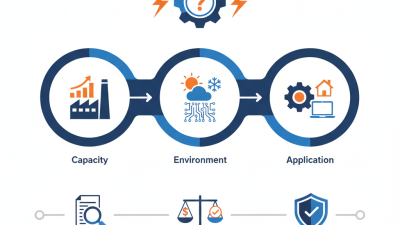
These days, with how fast things are changing in The Power Distribution world, picking the right transformer really matters. A lot of industries are now leaning towardCast Resin Dry Type Transformersbecause of their unique perks. They offer pretty top-notch Insulation and safety features, which makes them a solid choice for different setups. Unlike those traditional oil-filled ones, they’re non-flammable and can handle rough environments without breaking a sweat.
That said, not all transformers are the same or fit every situation. It’s super important to think about what your facility actually needs. While a cast resin Dry Type transformer might give you peace of mind with its reliability and energy efficiency, you also wanna weigh the costs and how complicated the installation might be. Every organization faces its own challenges, and digging into different options can sometimes reveal surprises or new ideas you hadn’t considered.
Choosing the right transformer isn’t just a techie decision—it’s a strategic move, too. Chatting with industry folks and doing your homework can really help you make smarter choices. Keep in mind, finding the perfect cast resin dry type transformer can boost your system's performance while keeping safety in check. So, taking a step back to think about what really fits your needs is key to making a smart investment—that way, you’re covered for the long haul.
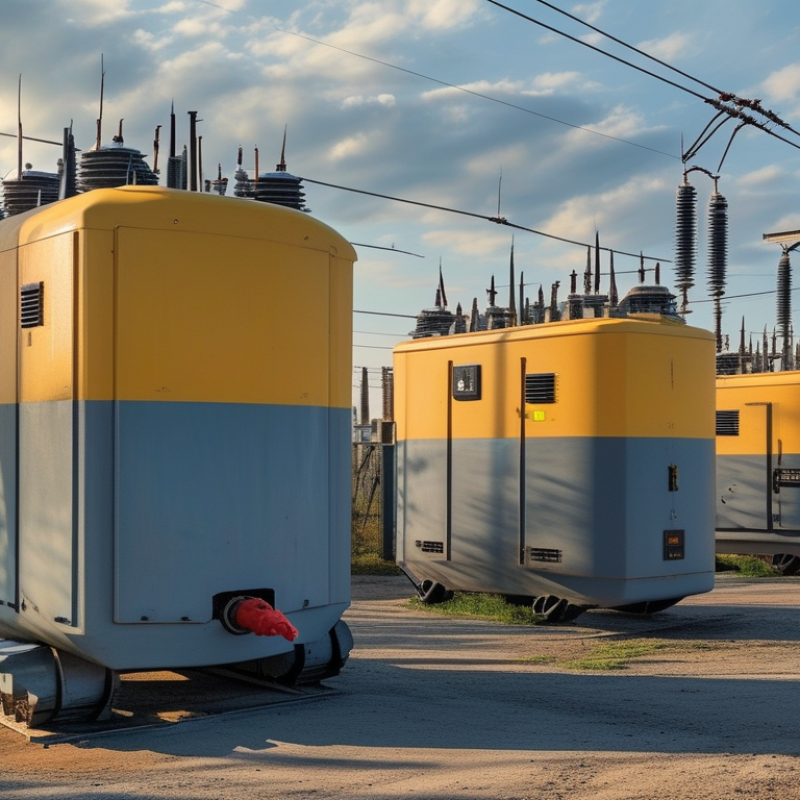
Benefits of Using Cast Resin Dry Type Transformers
When considering power solutions, many opt for cast resin dry type transformers. These transformers offer unique advantages that cater to a variety of settings. One significant benefit is their ability to withstand harsh environmental conditions. Unlike traditional transformers, they do not use liquid insulation, reducing the risk of leaks or environmental contamination. This makes them ideal for urban areas where safety is paramount.
Another noteworthy advantage is their efficiency and low maintenance needs. Cast resin transformers typically feature enhanced thermal performance. They can operate effectively in extreme temperatures without significant degradation. Additionally, the robust construction reduces the frequency of required inspections. Such durability leads to lower overall costs for facility managers over time.
However, there are some considerations. The initial investment for a 1000kva cast resin dry type transformer can be higher than conventional units. It’s essential to evaluate long-term savings against this upfront cost. While their performance is reliable, understanding the specific power needs of your facility is crucial. Overall, these transformers can provide significant benefits when chosen for the right applications.
Understanding the Basics of Cast Resin Transformers
Cast resin transformers are gaining attention in the power industry due to their advantages in safety and efficiency. These transformers utilize a resin encapsulation process, which provides enhanced protection against environmental factors. According to a report by the International Electrical and Electronics Engineers (IEEE), cast resin transformers exhibit a lifespan that can exceed 30 years, significantly reducing replacement costs over time.
The design of cast resin transformers allows for a more compact size, making them ideal for urban environments where space is limited. Their low maintenance requirements are another appealing factor. A study by the Institute of Electrical and Electronics Engineers (IEE) indicates that the operational costs associated with cast resin transformers are typically 20-30% lower than those of conventional oil-filled transformers. However, these benefits come with a higher initial investment, which can be a barrier for some users.
While cast resin transformers are often considered reliable, they are not infallible. Factors such as improper installation or external impacts can lead to failures. Moreover, the manufacturing process must adhere to stringent quality standards to ensure long-term performance. This highlights the importance of engaging with experienced professionals during the selection and installation process, ensuring that every aspect is taken into consideration.
Key Differences Between Cast Resin and Other Transformer Types
When considering transformer types, cast resin dry type transformers stand out for their safety and durability. Unlike oil-filled transformers, which can pose fire hazards, cast resin options are inherently flame-resistant. They contain no liquids, significantly reducing the risk of leaks or spills. This makes them an excellent choice for indoor installations and environments where safety is paramount.
Another key difference lies in their maintenance needs. Cast resin transformers require less maintenance compared to conventional types. Their robust design protects against dust and moisture. However, their initial installation costs can be higher. It's essential to evaluate whether the long-term savings on maintenance will offset the upfront investment. Some facilities may overlook this factor, leading to potential budget overruns.
Electric efficiency also varies. Cast resin transformers can have lower losses in certain applications. This characteristic contributes to better overall performance, reducing energy costs over time. However, they might not be suitable for all scenarios. It's critical to assess each application's unique requirements before making a final decision.
Applications and Industries Utilizing Cast Resin Transformers
Cast resin transformers play a crucial role in various industries. They are used in commercial buildings, hospitals, and schools. These environments benefit from the transformer's safety and reliability. The use of cast resin transformers minimizes the risk of fire hazards due to their robust construction. This type of transformer is popular in urban settings where space is limited. They support essential systems, ensuring smooth operation and energy efficiency.
In industrial applications, cast resin transformers are essential for powering machinery. They are commonly used in manufacturing plants and renewable energy facilities. Their durability withstands harsh conditions, contributing to consistent output. Moreover, they are environmentally friendly. This is a significant advantage in industries aiming for sustainability. The ability to handle large capacities, such as the 2500kva dry type transformer cast resin, demonstrates their versatility.
However, some challenges exist. Installation may require careful planning due to size constraints. Maintenance needs attention to prevent potential issues. Understanding specific requirements can enhance performance. Awareness of the unique characteristics of cast resin transformers is vital for effective use. Users should consider these factors for optimal results.
Performance and Efficiency of Cast Resin Dry Type Transformers
Cast resin dry type transformers are increasingly favored for their performance and efficiency. Unlike traditional liquid-filled transformers, cast resin units offer superior thermal performance. Reports indicate that they maintain optimal operation even in high ambient temperatures. This can lead to significant reductions in energy loss, often ranging from 2% to 5% compared to other types.
They are designed with safety in mind, as they are fire-resistant and emit no toxic fumes. This safety feature makes them ideal for urban and sensitive environments. Furthermore, their maintenance needs are minimal, which can lower operational costs over time. A study found that facilities using dry cast resin transformers experienced up to a 30% reduction in maintenance expenses.
Choosing the right transformer matters. Evaluate your specific application needs closely. Consider factors like load requirements and installation location. Be aware of potential challenges, such as initial investment costs, which could be higher than oil-filled options. Over time, however, the efficiency and durability of dry cast resin transformers can lead to better overall value.
Performance and Efficiency of Cast Resin Dry Type Transformers
This chart displays the performance metrics of cast resin dry type transformers, highlighting their high efficiency, low losses, minimal temperature rise, and substantial load capacity. These characteristics are essential for reliable and efficient power distribution in various applications.
Safety Features and Environmental Benefits of Cast Resin Transformers
Cast resin dry type transformers are known for their robust safety features. One of their most significant benefits is flame resistance. Unlike oil-filled transformers, cast resin units use epoxy resin, reducing fire hazards significantly. This design minimizes the risk of leakage and environmental contamination. Moreover, cast resin transformers are often installed in indoor or sensitive locations.
In terms of environmental impacts, these transformers excel in sustainability. The materials used are less harmful, promoting a cleaner energy solution. They have low emissions and do not require oil for operation. This makes them an ideal choice for eco-conscious projects. Their durability also means fewer replacements and repairs, reducing waste over time.
Despite these advantages, some challenges remain. The installation process can be more complex compared to other transformer types. Moreover, the upfront costs may be higher. However, the long-term benefits often justify this investment. Evaluating the unique needs of a project is key to making an informed decision. Overall, cast resin dry type transformers offer compelling safety and environmental features worth considering.
Maintenance and Longevity of Cast Resin Dry Type Transformers
Cast Resin Dry Type Transformers are known for their durability and low maintenance needs. These transformers are designed to operate in various environments, reducing wear and tear over time. According to industry data, these transformers can last over 30 years with proper care. Their structure prevents moisture ingress, which is a common issue in traditional transformers. This moisture resistance ultimately contributes to reducing the risk of electrical failures.
Maintaining a Cast Resin Type Transformer involves simple procedures. Regular visual inspections can identify potential problems early, saving costs in the long run. Research indicates that effective maintenance can enhance operational reliability by up to 40%. Replacing insulation and checking connections is crucial. However, some facilities overlook these tasks, leading to unexpected downtime. A proactive maintenance approach can address these issues before they escalate.
While Cast Resin Type Transformers offer many advantages, they are not immune to challenges. Environmental factors can still affect performance. Dust and pollutants might accumulate, impacting efficiency over time. Although they require less maintenance compared to oil-filled transformers, periodic assessments are essential. Prioritizing maintenance ensures longevity and performance continuity for these crucial components in electrical systems.
FAQS
: Cast resin transformers are flame resistant and reduce fire hazards significantly. They minimize leakage risk and contamination.
With proper care, cast resin transformers can last over 30 years. Their design reduces wear and tear over time.
Yes, they are sustainable, with low emissions and no oil required for operation. Less harmful materials promote cleaner energy.
Regular visual inspections are essential. Checking connections and replacing insulation can enhance operational reliability significantly.
The installation can be complex compared to other types. This might pose challenges during setup and require careful planning.
Dust and pollutants can accumulate and affect performance over time. Periodic assessments are important to maintain efficiency.
Upfront costs may be higher. However, long-term benefits often justify the investment for many projects.
Some challenges include complex installation and potential environmental impacts over time. Maintenance tasks can also be overlooked.
A proactive approach can identify issues early, enhancing reliability and preventing unexpected downtime in operations.
Facilities should prioritize regular inspections and address maintenance tasks to ensure longevity and performance continuity.
Conclusion
Cast resin dry type transformers have gained popularity due to their numerous benefits, including enhanced safety, environmental friendliness, and low maintenance requirements. These transformers utilize a resin-encapsulated design that not only improves their durability but also reduces the risk of fire hazards, making them suitable for various applications across industries such as commercial buildings, hospitals, and renewable energy sectors.
Understanding the basics of cast resin dry type transformers is crucial, as they perform efficiently with minimal environmental impact. Unlike traditional oil-filled transformers, they operate without flammable liquids, thereby minimizing safety risks. Additionally, their longevity and reliability contribute to cost-effective solutions for industries seeking sustainable energy alternatives. By investing in cast resin dry type transformers, businesses can achieve improved performance while ensuring safety and efficiency in their electrical systems.