 Hey there! So, in today’s fast-changing energy world, getting a handle on the ins and outs of buying Transformer Boxes is pretty important—especially for global buyers. These boxes are super key when it comes to Power Distribution because they help keep everything running smoothly and reliably. I came across a report from Markets and Markets that said the worldwide transformer market is expected to hit around 62.55 billion USD by 2025. This huge growth is mostly because of rising electricity needs and modernizing Power Systems everywhere.
By the way, Jiangxi Guoxiang Electric Power Equipment Co., Ltd., started back in 2016, is a high-tech company based in China that focuses on complete power solutions, from research and development right down to engineering. To make things easier for you, I put together this quick checklist. It’s got the main points to think about so you can make smarter choices when you’re sourcing Transformer Boxes—especially since the energy scene keeps changing and evolving.
Types of Transformer Boxes: Understanding the Basics
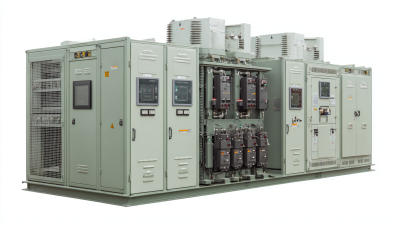
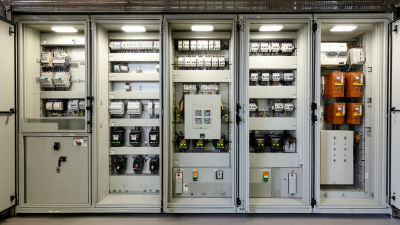
When you're shopping for transformer boxes, it’s really important to understand the different types out there and what each one’s good for—especially if you’re buying for use somewhere around the world. Basically, transformer boxes come in two main flavors: enclosed transformer boxes and pad-mounted ones. The enclosed type is usually used indoors; they do a good job protecting the equipment from weather and stuff, plus they’re more secure. On the flip side, pad-mounted transformers sit outside, often owned by utility companies. They’re designed so technicians can easily access them for maintenance or repairs without too much hassle.
Pro tip: Always keep in mind where you’re planning to install the transformer. If it’s gonna be outdoors, make sure it’s the kind that's built to handle tough weather conditions—that way, you avoid early breakdowns or potential problems later on.
Oh, and don’t forget about wall-mounted transformer boxes—these are great, especially if you’re dealing with tight spaces in crowded urban areas. They help save ground space but still get the job done in terms of power distribution.
Another tip: When you’re looking at wall-mounted options, check out the local electrical codes and regulations. It’s super important to make sure everything’s up to snuff and safe—in some places, the rules can be pretty different, so it’s worth double-checking.
Key Specifications to Consider When Selecting Transformer Boxes
When you're choosing transformer boxes, it’s important for buyers worldwide to keep a few key specs in mind to make sure they get something that works well and lasts long. First off, you’ll want to look at the transformer’s rating, usually given in kilovolt-amperes, or kVA for short. It’s worth noting that the latest industry insights from Grand View Research say the global transformer market is on track to hit around $70 billion by 2027—that’s a pretty big deal and shows how much everyone’s craving efficient, high-capacity transformer boxes right now. To avoid headaches down the line, you should really match your load needs with the right transformer rating—this impacts not just how efficiently things run, but also how long your transformer will last.
Another thing to keep in mind is the temperature rise of the transformer box. The National Electric Manufacturers Association recommends that the temperature shouldn’t go over 55°C above the surrounding temperature for smooth operation. Good thermal management isn’t just a bonus—it’s essential. Too much heat can cause the components to break down early, which means higher maintenance costs and potential downtime. Plus, if you’re installing these transformers somewhere tough—think dusty or wet environments—you’ll definitely want to check the ingress protection or IP rating. A rating of at least IP54 is a good idea, as it helps keep out dust and splashing water, ensuring your transformer stays safe and performs reliably over time.
Comparing Different Transformer Box Designs for Global Markets
When you're looking to buy transformer boxes, it’s really important to compare different designs that are meant for various markets. These boxes can be quite different in how they’re built and what they do, and those differences actually affect how well they work. For example, outdoor transformer boxes are usually made with sturdy, weather-proof materials to handle tough weather conditions. On the other hand, indoor ones often focus on noise reduction and blending in visually. Getting a good grip on these differences is key to picking the right type for whatever you need it for.
Plus, don’t forget to check out the local regulations and certifications. Many regions have pretty strict rules about energy efficiency and safety features. Choosing a design that meets these standards isn’t just about staying compliant—it also makes sure everything runs smoothly and helps you avoid any legal headaches or costly upgrades down the line. So, taking some time to review different transformer boxes and how they match local requirements can really pay off. It helps you make smarter, more confident buying decisions that fit your needs and the market you’re operating in.
Transformer Box Design Comparison for Global Markets
Common Challenges in Sourcing Transformer Boxes Internationally
When you're buying transformer boxes from overseas, there are quite a few common challenges you'll want to be aware of—trust me, it’s not always straightforward. First off, getting a good grip on the regional rules and standards is super important. Every country has its own set of compliance requirements for electrical gear, and these can be pretty different from one place to another. If you skip this step, you might end up facing frustrating delays or even having your shipment turned away at customs, which nobody wants.
Then there's the whole issue of supply chain hiccups. Things like political unrest, transportation delays, or sudden changes in tariffs can throw a wrench in your plans and impact when your transformer boxes actually arrive. It’s a smart move to build solid relationships with your suppliers and have backup plans just in case things go south. Companies like Jiangxi Guoxiang Electric Power Equipment Co., Ltd.—they provide integrated power solutions—can really help you navigate those complications and make the whole process a lot smoother.
And don’t forget about the money part! International buying isn’t just about sourcing the products; you also have to keep an eye on currency swings and how global events might affect costs. It’s a good idea to stay updated on the economic situation in your supplier’s country, so you’re not caught off guard by sudden price hikes or trade issues. If you tackle these challenges head-on and plan ahead, you’ll be way more likely to pull off a successful purchase of transformer boxes without a bunch of headaches.
Essential Checklist: What Global Buyers Should Know Before Purchasing Transformer Boxes - Common Challenges in Sourcing Transformer Boxes Internationally
| Dimension | Challenge | Consideration | Tip |
| Size | Inconsistent sizing standards across countries | Verify dimensions with the supplier | Request samples to confirm fit |
| Material | Variations in material quality | Check certification and standards | Ask for material test reports |
| Lead Time | Long lead times affect project schedules | Clarify production timelines upfront | Establish a detailed project timeline |
| Cost | Hidden costs in shipping and duties | Calculate total landed cost | Work with a logistics expert |
| Regulations | Compliance with local regulations | Research applicable regulations | Engage local expertise for guidance |
Best Practices for Ensuring Quality and Compliance in Transformer Box Purchases
When you're buying transformer boxes, especially on a global scale, it's super important to focus on quality and making sure everything complies with standards. Why? Because a good, reliable transformer is crucial to keeping your electrical systems running smoothly. I came across some recent market data that estimates the global transformer market might hit around $75 billion by 2027—yeah, it’s a huge deal! That just goes to show how vital it is to choose high-quality parts, so you don’t end up dealing with failures, downtime, or hefty repair bills. So, always make sure your suppliers follow international standards like ISO 9001 and IEC 60076—that’s basically your safeguard to ensure you're getting stuff that’s dependable.
Here’s a tip: Before you decide to go ahead with a purchase, do a deep dive into the manufacturer’s certifications and their quality control processes. Trust me, it pays off to verify that their products meet or even surpass the industry standards; it’s all about minimizing risks.
And don’t forget about transparency. The best suppliers are open—expect detailed info about the materials they use, testing methods, and whether they comply with environmental regulations. A survey done by Deloitte once showed that about 66% of buyers actually prefer suppliers who are serious about sustainability—makes sense, right? It’s good for the planet, and it can also affect how well your transformer boxes work down the line.
And here’s another little tip: Keep the communication lines open. Regular chats with your suppliers can help you stay updated on new tech, improvements, and best practices. That way, you’re always in the loop and can make smarter choices.
All in all, choosing the right transformer boxes isn’t just about price or specs—it’s about partnering with the right folks and making sure everything’s quality-checked from the get-go.
Essential Documentation and Certifications Needed for Transformer Boxes
When you're looking to buy transformer boxes, it's pretty important to know what kind of documentation and certifications you need to ensure everything’s legit and reliable. A recent report from the International Electrotechnical Commission (IEC) suggests that having the right certifications—like UL, CE, or ISO—not only proves that the product meets safety and performance standards, but it can also help avoid a bunch of operational headaches down the line. These marks basically tell you that the product’s been checked against international safety and quality rules, which is super important for building trust with your customers and partners.
And honestly, having all the paperwork in order is just as crucial. According to the American National Standards Institute (ANSI), around 30% of buying decisions in electronics and electrical gear are actually influenced by how complete and clear the product info is. It’s a good idea to ask your supplier for everything—test reports, manuals, maintenance guides—so you're not caught off guard later on. These documents aren’t just for ticking regulatory boxes; they’re key for installing and running the equipment properly. When you have everything documented well, it makes it easier to decide and helps ensure your transformer boxes keep working smoothly for a long time, no matter the application.
Innovative Solutions for Outdoor Power Needs: Exploring the S13 Series 10kV Oil Immersed Power Transformer
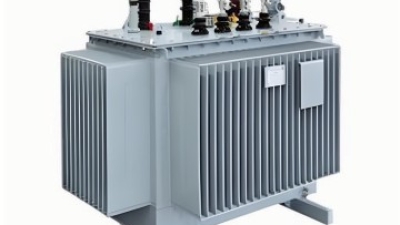
The demand for efficient power solutions in outdoor applications has never been higher, especially with the increasing emphasis on sustainability in energy consumption. The S13 Series 10kV oil-immersed power transformers stand out as a beacon of innovation aimed at addressing the outdoor power needs of critical infrastructure. These transformers are the pinnacle of high-efficiency energy-saving technology, constructed with a fully sealed and robust corrugated tank structure that adeptly manages temperature and volume fluctuations.
According to a report from the International Energy Agency, improving transformer efficiency can significantly contribute to reducing energy loss in electrical systems, which currently accounts for approximately 7% of total global energy consumption. The S13-M Series demonstrates this potential, achieving an impressive average reduction of 45% in no-load losses and 35% in load losses compared to GB/T 6451 standards. This not only ensures a lower environmental impact but also translates into cost savings; the S13-M series can reduce operating costs by up to 30%, making it an economically viable choice for energy-intensive applications.
Furthermore, the compact design of the S13-M transformers allows for a smaller footprint without compromising performance in outdoor settings. The combination of sleek aesthetics and durability positions the S13 Series as an optimal choice for energy infrastructure projects looking to maintain operational efficiency while adhering to stricter environmental standards. With such performance metrics, the S13 Series aligns with current industry objectives to prioritize sustainable energy solutions.
FAQS
: The main types of transformer boxes are enclosed transformer boxes, pad-mounted transformer boxes, and wall-mounted transformer boxes. Enclosed boxes are typically used indoors, while pad-mounted boxes are designed for outdoor installation. Wall-mounted boxes are ideal for urban areas with limited space.
When selecting a transformer box, consider the installation environment, the transformer rating measured in kilovolt-amperes (kVA), temperature rise limits, and the ingress protection (IP) rating, especially for outdoor installations.
The recommended temperature rise limit for transformer boxes is not to exceed 55°C above ambient conditions, according to the National Electric Manufacturers Association (NEMA).
The ingress protection (IP) rating is vital for ensuring the transformer box is safeguarded against dust and splashing water, with an IP rating of at least IP54 recommended for harsh environments.
Global buyers should prioritize quality and compliance with international standards such as ISO 9001 and IEC 60076 to ensure reliable investments in transformer boxes.
Buyers can verify the quality by assessing the manufacturer's certifications and quality control processes, ensuring that their products meet or exceed industry standards.
Supplier transparency is crucial as reliable suppliers should provide detailed documentation on materials, testing methodologies, and compliance with environmental regulations, helping to mitigate risks.
Sustainable practices are important as 66% of buyers prioritize suppliers that demonstrate such practices, which can influence the long-term operability of transformer boxes.
Buyers should conduct a thorough assessment of their needs and engage in regular communication with suppliers to discuss potential improvements and innovations in their offerings.
Conclusion
Thinking about buying transformer boxes from overseas? Well, there’s quite a bit to keep in mind to make sure you end up with the right stuff. First off, it’s good to get familiar with the different types out there—like understanding voltage ratings, the materials used, and what design variations suit various markets. Trust me, doing your homework on these specs really pays off. Also, don’t forget to consider potential headaches like shipping hassles or navigating the many regulatory rules that come with international sourcing.
And here’s a pro tip: always follow some basic best practices for quality checks and make sure you've got all the right paperwork and certifications in order. This helps you dodge common pitfalls and keeps the whole buying process smooth. If you’re working with companies like Jiangxi Guoxiang Electric Power Equipment Co., Ltd., they’re pretty good at offering solid support—from research and development to manufacturing and compliance. Having experts by your side can really help you make smarter choices when picking out transformer boxes that fit your needs.