inquiry
Inquiry
Form loading...
0%

As the world really needs more efficient energy solutions, getting a good handle on Transformer Coil technology becomes pretty crucial for engineers and folks in the industry. Recently, market reports suggest that the global transformer market could hit around $75 billion by 2024. And guess what? Transformer Coilsare a big part of making sure Power Distribution Systems run smoothly and reliably.Jiangxi Guoxiang Electric Power Equipment Co., Ltd., which started back in 2016, is actually leading the charge in this space—offering everything from R&D to manufacturing and engineering support. In this blog, we're diving into the top technical specs for Transformer Coils and walking you through a detailed installation guide. The goal? Equip industry players with the know-how needed to boost efficiency and keep everything running reliably.
Unlocking the Secrets of Best Transformer Coil Technical Specifications and Installation Guide

Understanding Transformer Coil Basics: Key Specifications You Need to Know

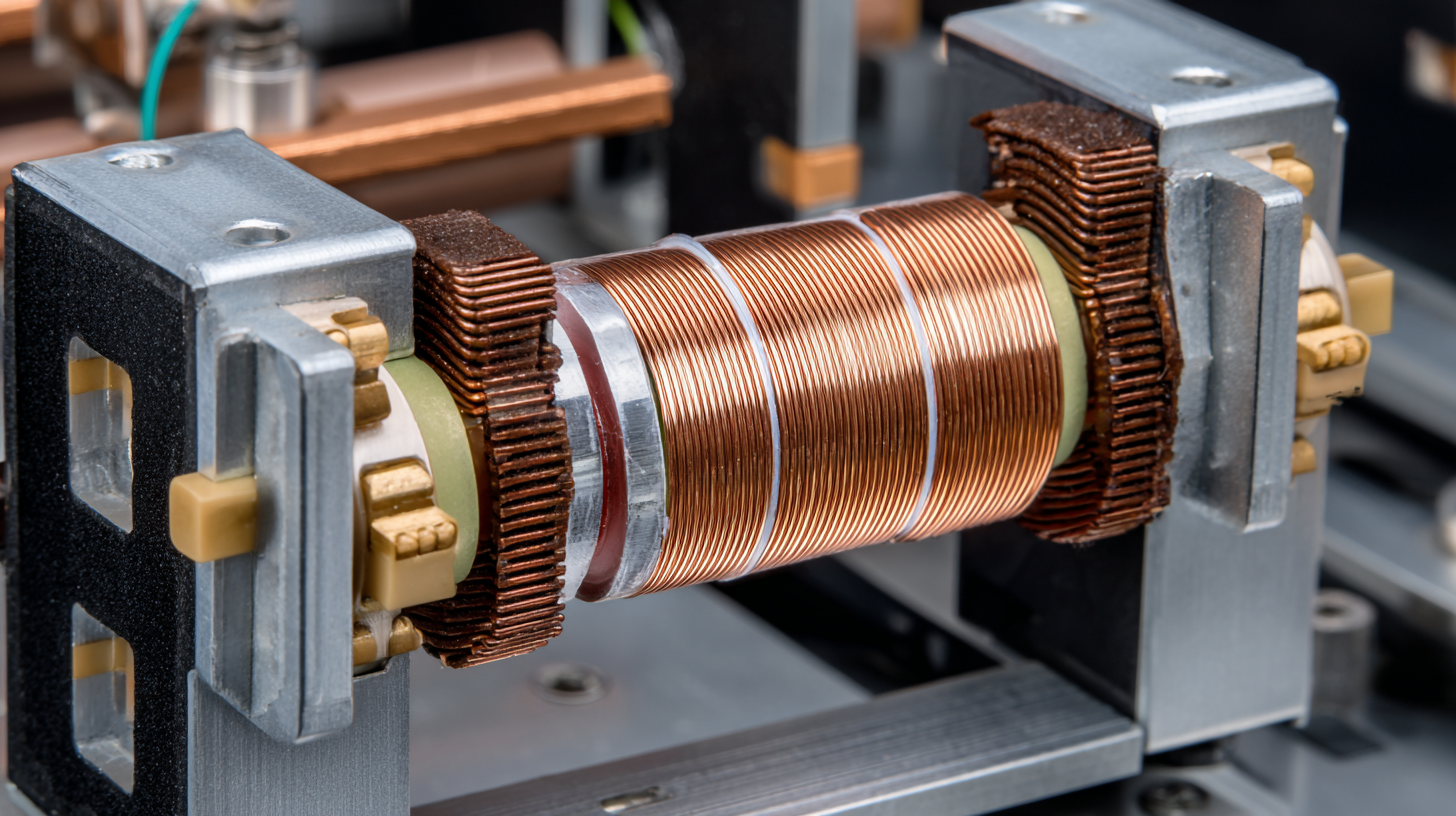
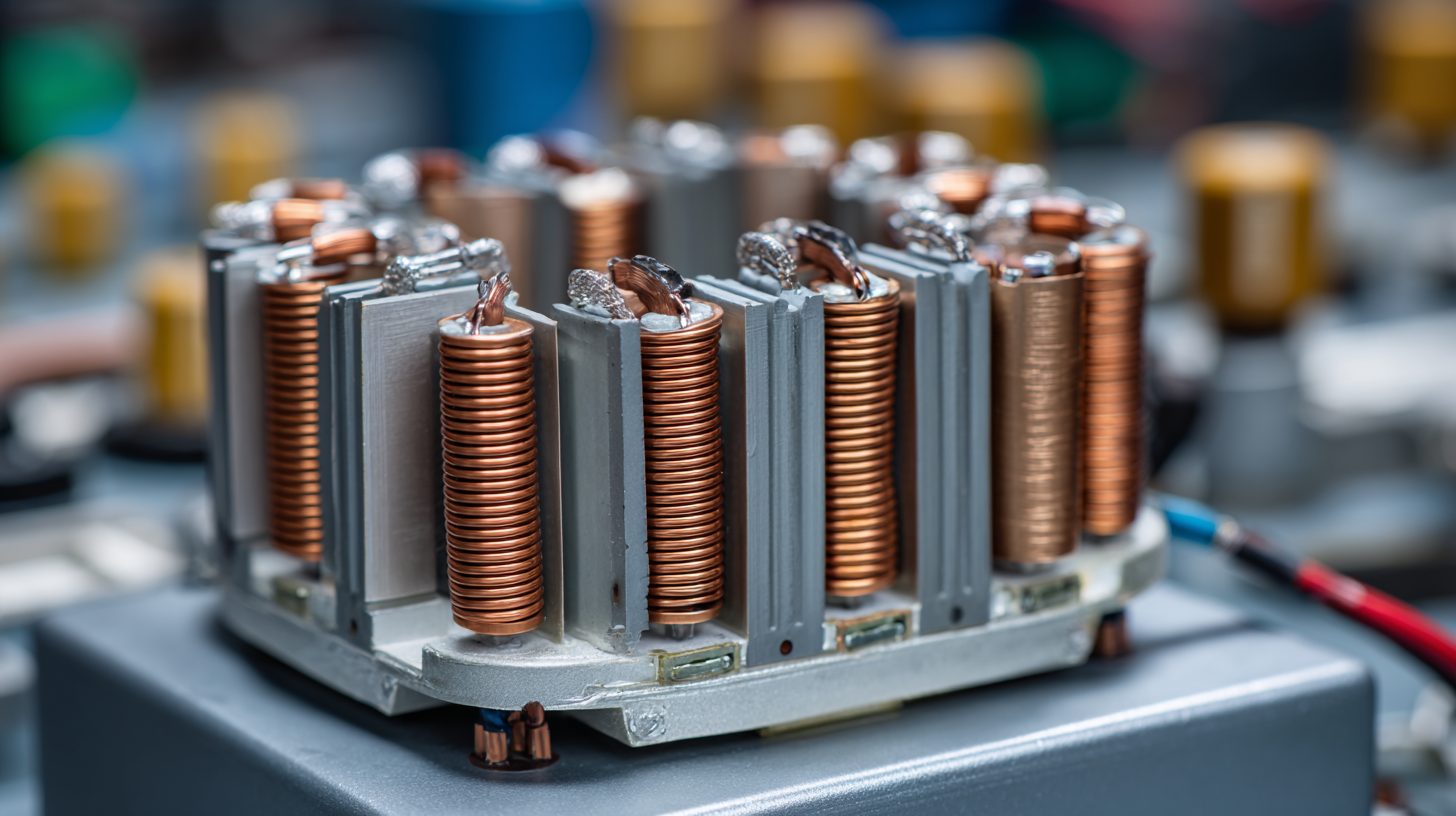
Talking about transformer coils, it’s pretty important to really get a feel for their key specs if you want them to work well and be installed right. Stuff like voltage rating, how much current they can handle, their operating frequency, and the insulation class — all these things really matter because they determine if the coil is suitable for what you need. For example, picking a voltage rating that matches your system isn’t just about ticking boxes; it actually helps ensure everything runs smoothly and cuts down on potential issues.

And, beyond that, don’t forget to check that the coil’s current capacity fits your application's demands. Doing so helps prevent overheating or even worse, failures down the line. Also, think about the environment where the coil will be put in — if it’s going to be exposed to high heat or moisture, choosing the right insulation class is a must for making sure it lasts.

Another thing you want to keep in mind is how the winding is configured — whether it’s delta or wye. This can influence how efficient your transformer is and what kind of output you get. It’s a good idea to analyze your load requirements and pick the configuration that matches best with your overall electrical setup.

**Pro Tip:** When you’re setting everything up, make sure you’ve got the right tools and safety gear ready. Doing some quick pre-installation checks, like making sure connections are solid and insulation is intact, can actually save you a lot of trouble later on and help avoid costly mistakes during the install.

Unlocking the Secrets of Best Transformer Coil Technical Specifications and Installation Guide

Specification Description Value Units
Winding Type Type of coil winding used in transformer Single or Multi-layer N/A
Wire Gauge Thickness of the wire used for windings 16 AWG
Turns Ratio Ratio of the number of turns in the primary to the secondary winding 10:1 N/A
Insulation Class Class of insulation material used H N/A
Operating Frequency Frequency at which the transformer operates 60 Hz
Cooling Method Method of cooling used for the transformer Natural Air N/A
Weight Total weight of the transformer 150 kg

5 Essential Reasons to Choose High-Quality Transformer Coils for Your Project

Whenever you're diving into an electrical project, one of the most critical decisions you'll make is choosing the right transformer coils. It really matters because high-quality coils can make a big difference in how efficient and reliable your setup is — and honestly, it's worth paying attention to. For instance, better coils can boost energy efficiency, which might cut your operating costs by up to 15%, according to various industry reports. Plus, top-notch coils tend to last longer, often over 20 years, so they help you avoid those pesky maintenance issues down the line.

At Jiangxi Guoxiang Electric Power Equipment, we totally get how important quality is. We’re not just about manufacturing; we dive deep into research and development to make sure our clients get the best products out there.

Here’s a little tip: when you're checking out transformer coils, pay close attention to their insulation materials and how well they handle heat. Coils made from quality materials usually dissipate heat better and are less likely to fail. And, if you can, work with experienced suppliers like Jiangxi Guoxiang — they can help you find customized solutions that fit your specific project needs. Keep these points in mind, and you’ll not only boost your project’s performance but also enjoy long-term stability and peace of mind.

Unlocking the Secrets of Best Transformer Coil Technical Specifications and Installation Guide

Maximizing Efficiency: The Role of Material in Transformer Coil Performance

When it comes to how well transformer coils perform, a lot depends on the materials they’re made of. I read a report from the IEC that highlights something pretty interesting—whether you go with copper or aluminum makes a noticeable difference in efficiency. Copper coils are usually better because they have lower resistive losses, thanks to their higher conductivity, which is around 97%. Aluminum, on the other hand, has about 61%. So, if you’re designing a transformer with copper, you’re more likely to get efficiency rates above 99%. That’s a big deal especially when you want to cut down on energy waste.

But it’s not just about the conductors. The insulation inside the coils really plays a key role, too. According to IEEE studies, using insulation materials that can handle higher temperatures can really boost how long a transformer lasts and cut down on failures. For example, polyimide and epoxy resins have proven to perform especially well under heat stress. In fact, transformers with these insulations tend to last about 15-20% longer on average. So basically, if you want your transformer to work better and last longer, you’ve gotta pay attention to both the conductor material and the insulations you're using. It’s all about picking the right combo to get the best performance and efficiency.

Transformer Coil Performance Analysis by Material Type

This bar chart illustrates the efficiency of transformer coils made from different materials. Copper coils show the highest efficiency, followed closely by silver. Aluminum and iron coils, while more cost-effective, demonstrate lower efficiency levels. Understanding these material differences is crucial for optimizing transformer performance.

Installation Best Practices: Ensuring Optimal Functionality of Your Transformer Coils

When you're installing transformer coils, it's really important to follow the best practices. Skipping on details or rushing the process can seriously affect how well your transformer works and how long it lasts. I read somewhere that, according to the International Electrotechnical Commission (IEC), if you don't do it right, you could cut down the efficiency by up to 15%. That really puts into perspective how careful you need to be—every step counts. Things like making sure everything is properly aligned, grounded securely, and that the cooling systems are working smoothly are all key.

Unlocking the Secrets of Best Transformer Coil Technical Specifications and Installation Guide

Plus, the American National Standards Institute (ANSI) points out that environmental conditions matter a lot too—stuff like avoiding moisture getting in and making sure there's good ventilation. It's really critical to stick to the manufacturer's guidelines—those usually specify things like bolt torque and recommended operating temperatures. If you ignore these, you risk overheating, damage to insulation, and worst-case scenario, the transformer just breaks down.

After the install, regular check-ups and maintenance are super helpful too. In fact, some studies suggest that doing these proactive maintenance routines can boost the lifespan of your transformer by around 20%. So, all in all, paying attention to details and keeping up with upkeep really makes a big difference.

Common Mistakes in Transformer Coil Installation and How to Avoid Them

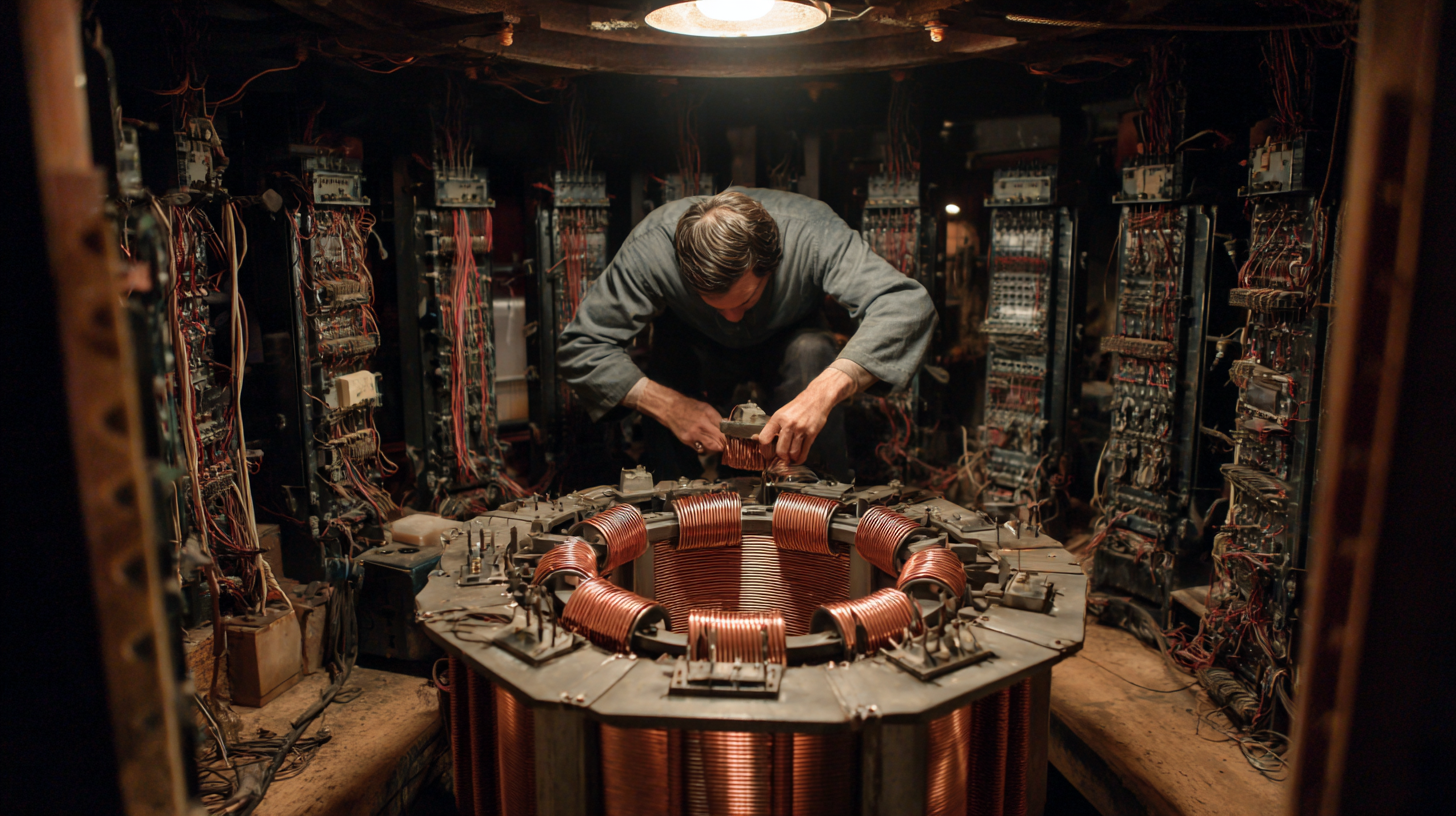
When you're working on installing transformer coils, it's really helpful to be aware of some common mistakes — it can make a big difference in keeping things safe and running smoothly. One mistake I’ve seen a lot is not lining up the coils quite right during installation. If they’re misaligned, that can cause uneven wear over time, and eventually, the whole transformer might end up failing. To steer clear of that, paying close attention to every detail and measuring carefully during setup is super important. Plus, making sure the coils are firmly secured is key — it helps prevent them from shifting because of vibrations or when things heat up and expand.

Another thing to watch out for is forgetting to check the insulation resistance before firing up the transformer. If the resistance is low, it could point to future problems, and you might end up with costly downtime. It’s a good idea to do thorough insulation testing as part of your regular checklist. By keeping these tips in mind and sticking to proper installation procedures, you can help avoid operational hiccups and make your transformer last longer. Taking a proactive approach like this not only reduces risks but also helps keep things running reliably — which is what we all want, right?

Maximizing Energy Efficiency with SBH Series Oil Immersed Transformers: A Sustainable Choice for Modern Power Needs

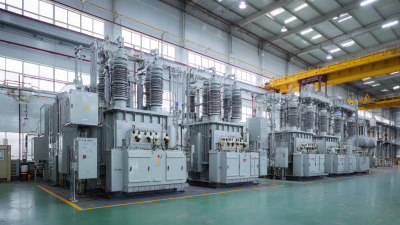
In today's quest for sustainability, energy efficiency has become a crucial aspect of modern power solutions. The SBH Series Oil Immersed Transformers, particularly the SBH15/21/25-M Series, exemplifies how innovative design can significantly enhance energy performance. Utilizing advanced amorphous alloy strips to construct its core, this transformer strategically leverages the isotropic soft magnetic properties of the material. As a result, it achieves remarkably low no-load losses, making it a superior choice for applications where efficiency is paramount.

Moreover, the SBH Series enhances operational resilience through its use of precision-wound copper foil coils on the low-voltage side. This design not only boosts short-circuit withstand capability but also plays a vital role in mitigating harmonic distortion within power networks. By offering flexible connection groups, such as Dyn11 or Yyn0, it optimizes power quality under various grid conditions, ensuring seamless integration with contemporary renewable energy sources.

The engineering behind the SBH transformers goes beyond mere efficiency; the vacuum degassing process employed during manufacturing effectively removes residual air bubbles from insulation systems, guaranteeing long-term dielectric stability even in demanding environments. This thoughtful approach results in ultra-low electromagnetic losses, providing a reliable, energy-efficient solution that meets the evolving needs of modern power infrastructures.

FAQS

: What are the key specifications to consider for transformer coils?

: Key specifications include voltage rating, current capacity, frequency, insulation class, and winding configuration (delta or wye). Each of these factors is essential for determining the coil's suitability for a specific application.

Why is selecting the correct voltage rating important?

Selecting a voltage rating that matches your system ensures reliable performance, minimizes the risk of failures, and contributes to the overall efficiency of the transformer.

What should be assessed when choosing the winding configuration for a transformer?

The load requirements should be assessed to choose the winding configuration (delta or wye) that best fits the electrical design and efficiency needs of the system.

What are some best practices for installing transformer coils?

Best practices include maintaining proper alignment, secure grounding, integrating efficient cooling mechanisms, and following manufacturer installation guidelines regarding torque settings and temperature ranges.

How can environmental conditions impact transformer coil installation?

Environmental conditions such as moisture buildup and inadequate ventilation can negatively impact transformer performance; it's crucial to avoid these issues during installation.

What common mistakes should be avoided during transformer coil installation?

Common mistakes include improper coil alignment, neglecting insulation resistance checks, and not securing coils to prevent displacement; careful attention to detail can help avoid these issues.

Why is insulation resistance testing important before commissioning a transformer?

Insulation resistance testing is essential because low insulation resistance can indicate potential failures, leading to costly downtimes; thorough testing should be part of the installation routine.

How can regular inspection and maintenance affect transformer lifespan?

Regular inspection and maintenance can enhance operational efficiency, and proactive maintenance can extend the lifespan of transformer systems by approximately 20%.

What tools and safety equipment should be prepared for transformer coil installation?

It is important to have the right tools and safety equipment on hand for installation, along with conducting pre-installation checks such as verifying connections and insulation integrity.

What role do installation guidelines by manufacturers play in transformer functionality?

Adhering to manufacturer installation guidelines is crucial; failing to meet torque settings and temperature ranges can lead to overheating, insulation failure, and transformer downtime.
Sophia

Sophia

Sophia is a dedicated marketing professional at Jiangxi GUOXIANG Electric Power Equipment Co., Ltd., a national high-tech enterprise established in 2016. With a strong background in integrated power solutions, she possesses in-depth knowledge of the company's innovative products and services.......
Previous Maximizing Value with Exceptional After Sales Support for Best Distribution Transformers