The market for Low Voltage Electrical Equipment is pretty big and always changing. Buyers all around the world are on the lookout for dependable solutions that fit their different needs. These types of equipment are actually pretty crucial—they help control energy usage and keep things safe in a bunch of different applications.
There are quite a few companies doing a good job in providing innovative low voltage gear. Take Schneider Electric, for example—it offers a wide variety of products known for being efficient. Siemens is another standout, pushing the envelope with the latest tech to serve various industries. But, honestly, not everything on the market is top-notch. Some products might not perform as expected, so it’s really important for buyers to do their homework and evaluate options carefully before jumping in.
Getting a clear idea of what exactly you need from your Low Voltage Electrical equipment is super important. It can really impact how well you manage energy and run your operations smoothly. Working with reputable suppliers is a smart move to make sure you get quality gear that meets industry standards. Spending some time on research might take a bit, but it definitely pays off in the end—leading to better results and a more successful project overall.
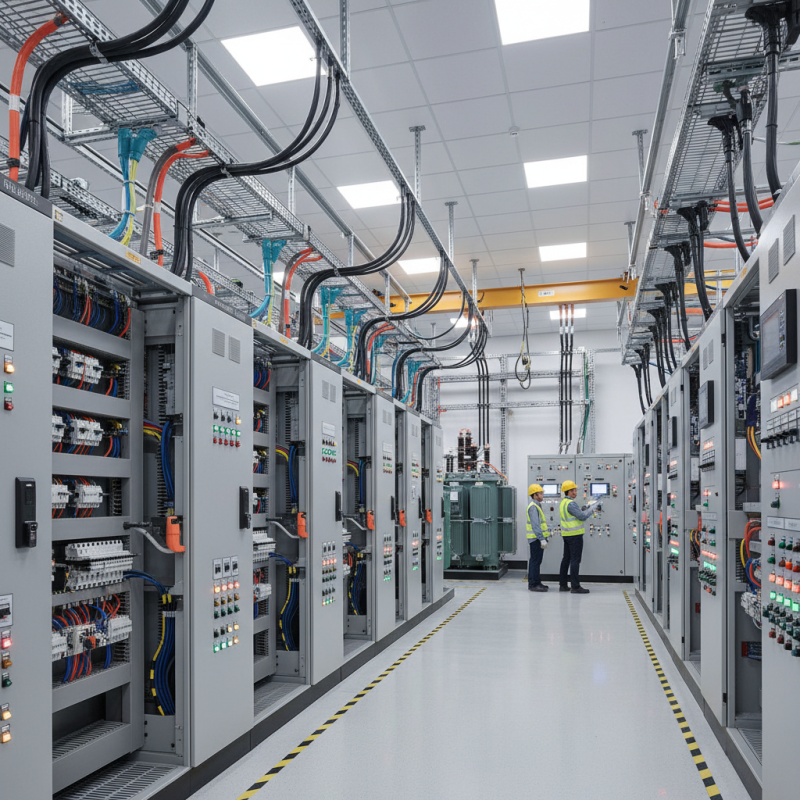
Overview of Low Voltage Electrical Equipment
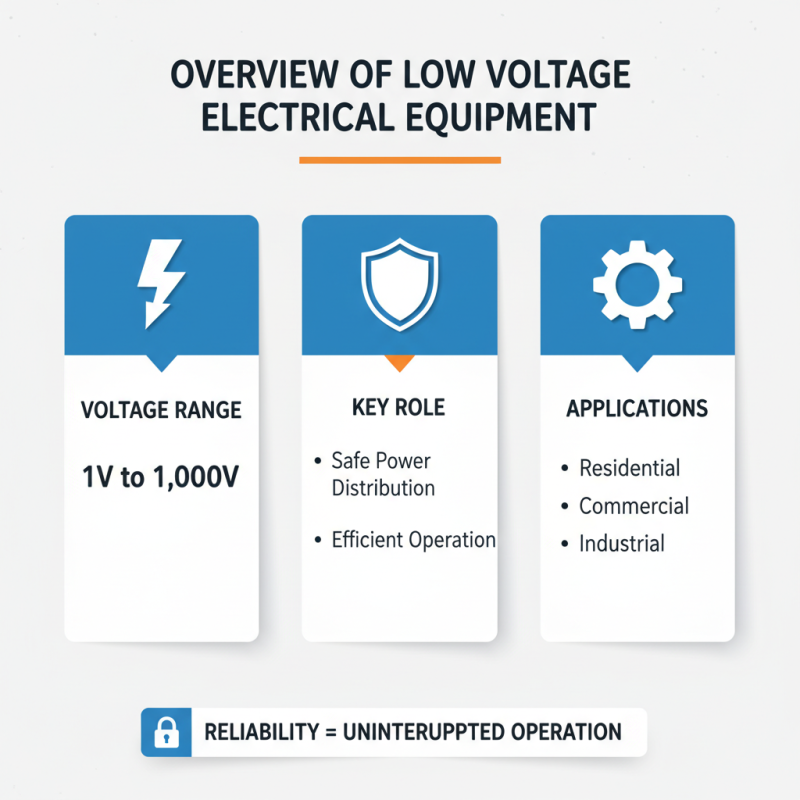
Low voltage electrical equipment plays a crucial role in various industries. It encompasses devices that operate with voltage levels typically ranging from 1V to 1,000V. This equipment ensures safe and efficient Power Distribution in residential, commercial, and industrial settings. Maintaining reliability in these systems is vital for uninterrupted operations.
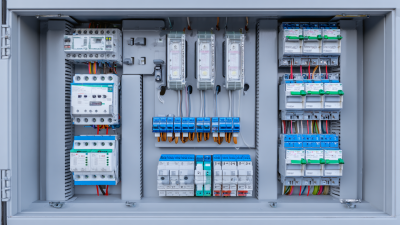
Different types of low voltage electrical equipment exist. Circuit Breakers protect circuits from overloads. Switches control the flow of electricity. Transformers adjust voltage levels for specific applications. Power distribution boards gather and direct electric energy. Each component must meet rigorous safety standards. They must also be regularly inspected to avoid failures.
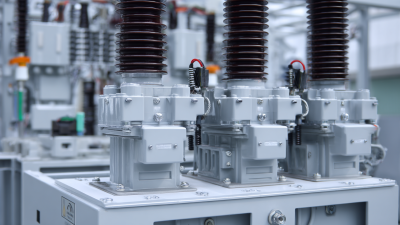
Although low voltage equipment is generally considered safer than High Voltage Electrical Equipment, challenges remain. Installation errors can lead to malfunctions. Inadequate maintenance may increase the risk of hazards. Understanding specifications and compliance is essential. Investing in training for personnel can mitigate risks significantly. Emphasizing best practices helps in achieving operational excellence.
Key Types of Low Voltage Electrical Equipment
Low voltage electrical equipment plays a crucial role in various applications. Understanding the key types helps in making informed decisions. Circuit breakers are essential for protecting electrical circuits from overloads. They detect faults and interrupt the circuit to prevent damage. Moreover, they are vital in residential and commercial settings.
Another important type is contactors. These are used to control electrical motors and other devices. They help manage high power loads, ensuring efficiency. Additionally, they can enhance safety by isolating electrical circuits when needed. Distribution boards also fall under this category. They distribute electricity to different circuits while providing necessary protection.
While many types exist, it's essential to choose wisely. Not all low voltage equipment fits every project. Compatibility and quality matter. Researching specifications is crucial. Some products might not meet safety standards. Understanding the installation process can also be complex. Ensure all equipment complies with local regulations. Mistakes here can lead to significant risks. Making informed choices will help navigate these challenges effectively.
Factors to Consider When Buying Low Voltage Equipment
When selecting Low Voltage Equipment, several factors warrant close attention. Key considerations include safety, efficiency, and compatibility with existing systems. Safety standards must be prioritized to prevent electrical hazards. Ensure that the equipment complies with local safety regulations and industry standards.
Installation is another critical aspect. Proper installation can enhance longevity and performance. Look for equipment that offers clear installation guidelines and support. Remember, not all installations are straightforward. Be prepared for potential challenges, particularly if upgrading older systems.
Tips: Always check for user reviews and ratings. They provide insights into real-world experiences. Additionally, consider the warranty and support services offered. Quality equipment often comes with robust after-sales support. It's wise to evaluate these aspects before making a final decision on low voltage equipment. Reflecting on past experiences may also guide better choices, leading to improved satisfaction and performance.
Top Manufacturers of Low Voltage Electrical Equipment
When looking for low voltage Electrical Equipment, choosing the right manufacturer is vital. Global buyers should seek companies with a proven track record in quality and reliability. The quality of electrical equipment significantly impacts the safety and efficiency of projects.
Top manufacturers often prioritize innovation and adhere to international standards. They invest in research and design to develop solutions that meet evolving industry demands. However, not all companies maintain consistent quality, leading to potential issues in product performance. Evaluating a manufacturer's portfolio and client feedback is essential for informed decisions.
Additionally, some manufacturers may lack transparency in their supply chain, which could concern buyers aiming for sustainable practices. It’s necessary to critically assess the ethical practices behind low voltage electrical equipment production. A close examination of certifications and compliance can reveal crucial insights. Seeking expertise and advice from industry professionals can also aid in navigating these complexities.
Global Market Trends for Low Voltage Electrical Equipment
The global market for low voltage electrical equipment is rapidly evolving. This segment caters to diverse applications, such as residential, commercial, and industrial sectors. Tech innovations drive demand for efficient solutions. Emerging economies are increasing infrastructure investments, fueling low voltage equipment growth.
Tips: Understanding local regulations is crucial. Compliance ensures safety and reliability. Additionally, choose suppliers with a proven track record. This impacts quality and performance significantly.
Energy efficiency remains a primary focus for buyers. There is a noticeable shift towards sustainable practices. Companies are exploring innovative designs to reduce energy consumption. However, not all products meet stringent standards. This inconsistency can lead to complications and higher operational costs.
Tips: Research market trends regularly. Staying informed enables smarter procurement decisions. Engage experts to navigate complex regulatory landscapes. They can provide insights into future developments and potential risks in the market.
Comparison of Low Voltage Equipment for Different Applications
Low voltage electrical equipment plays a crucial role in various applications around the globe. Industries such as manufacturing, telecommunications, and construction rely on these systems for safety and efficiency. A recent report states that the low voltage equipment market is projected to grow by 6% annually, highlighting its increasing importance. Equipment like circuit breakers, switches, and transformers are essential for responsible electricity management.
In manufacturing, low voltage equipment ensures that machines operate smoothly. For example, a well-designed circuit breaker can prevent fires and machinery damage. In telecommunications, UPS systems provide backup power, ensuring continuous operation during outages. However, many companies overlook the importance of equipment quality and compliance. A study shows that 30% of electrical failures can result from inadequate standards.
Choosing the right low voltage equipment involves understanding specific needs. Users should assess factors such as load requirements and environmental conditions. Merely selecting the cheapest option may lead to costly mistakes. Reliability and performance need to be prioritized. With informed decisions, buyers can enhance operational efficiency and improve safety standards in their respective industries.
Safety Standards and Regulations for Low Voltage Equipment
When selecting low voltage electrical equipment, adherence to safety standards is crucial. These regulations ensure that equipment is designed and tested to prevent hazards like electrical fires or shock. Most countries have specific standards that must be met. Common examples include IEC, UL, and NEC guidelines. Compliance with these standards demonstrates a commitment to safety.
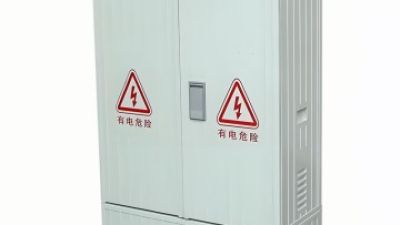
Electrical Equipment Boxes are essential components in low voltage systems. They protect wiring and connections from environmental factors. Choosing high-quality boxes made from durable materials can significantly enhance safety. It’s also important to note that poorly designed electrical equipment can lead to serious issues. Regularly inspecting equipment boxes for wear and proper sealing can help mitigate potential failures.
Understanding the landscape of safety regulations can be challenging. Not all manufacturers provide adequate information about compliance. Buyers should be proactive and seek certifications for the products they consider. Relying on expertise and reputable sources can help ensure that the low voltage equipment chosen meets necessary safety standards.
Enhancing Power Distribution: Insights from the 2023 Global Low Voltage Cable Market Report on DFX Branch Box Solutions
The 2023 Global Low Voltage Cable Market Report highlights the pivotal role of innovative solutions like the DFX branch box in enhancing power distribution systems. Designed to meet the diverse needs of urban-rural grids, municipal projects, and residential applications, the DFX low-voltage cable distribution box showcases remarkable durability and efficiency. Its construction from SMC composite via high-temperature compression provides not only exceptional impact and bend resistance but also impressive anti-aging and abrasion resilience, making it ideal for harsh outdoor environments.
Equipped with versatile components such as knife-fuse switches, MCCBs, strip switches, and busbars, the DFX branch box ensures reliable dry cable branching and feeder protection. Its compact design allows for streamlined installation, while its high insulation and arc/flame resistance offer an added layer of safety for electrical systems. As the demand for efficient and reliable power distribution continues to grow, solutions like the DFX branch box are crucial for modern infrastructure, paving the way for enhanced electrical performance and sustainability in power management.
FAQS
: The right manufacturer ensures quality and reliability, impacting safety and efficiency in projects.
Buyers should evaluate a manufacturer’s track record, innovation, and adherence to international standards.
It plays a crucial role in manufacturing, telecommunications, and construction, ensuring safety and efficiency.
Circuit breakers, switches, and transformers are essential for responsible electricity management.
Inadequate quality can lead to safety hazards, including electrical failures and equipment malfunctions.
No, some lack transparency, which can concern buyers focused on sustainable practices.
They can provide expertise, aiding in navigating the complexities of equipment selection.
Users should consider load requirements, environmental conditions, and overall reliability.
Yes, it may lead to costly mistakes and compromised performance and safety.
It helps prevent fires and machinery damage, ensuring smooth operations.
Conclusion
The article titled "Best Low Voltage Electrical Equipment for Global Buyers" provides a comprehensive overview of low voltage electrical equipment, emphasizing its significance in various applications across different industries. It outlines the key types of low voltage electrical equipment available in the market, including circuit breakers, transformers, and switches, and discusses essential factors to consider when making a purchase decision.
Moreover, the article highlights leading manufacturers in the sector and examines global market trends that influence the availability and development of low voltage electrical equipment. A comparison of equipment based on specific applications is offered, alongside important safety standards and regulations that govern the use of low voltage equipment. This information is crucial for buyers aiming to ensure compliance and operational efficiency in their projects.