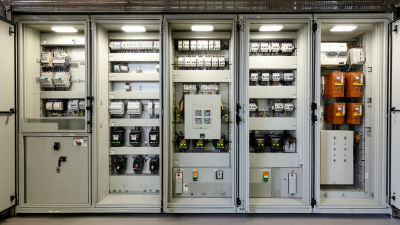
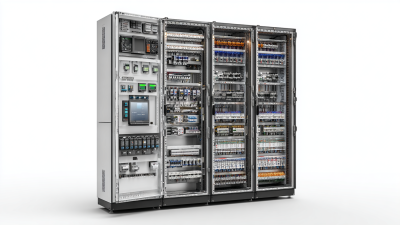
When it comes to electrical setups, really understanding what a Distribution Cabinet is all about is pretty important—both for keeping things running smoothly and staying safe. I mean, John Thompson from Power Solutions Inc. puts it nicely when he says, "A good, well-designed distribution cabinet guarantees reliable power delivery." That really highlights how crucial the right features are for making these cabinets work better.
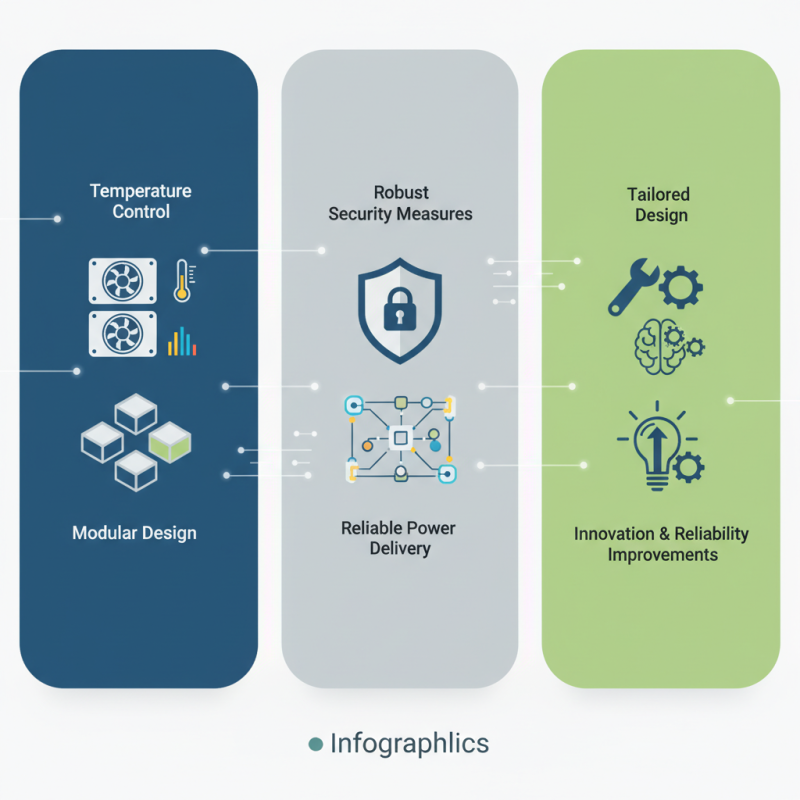
Think of distribution cabinets as the brain of your electrical system. They not only protect the key components inside but also help make the whole power network perform at its best. Stuff like temperature control, Modular Design that can be adjusted as needed, and solid security measures are kinda essential here. Each of these features helps the cabinet handle different conditions and demands, kinda like a good pair of shoes that fit just right.
That said, not every cabinet out there checks all these boxes. Some designs are kinda lacking and could definitely use some improvements. It's a good idea to think about what your specific needs are. How can these cabinets be personalized or tweaked to give you the best Power Distribution experience? Figuring out the gaps and fixing them not only boosts reliability but also sparks innovation—something that the industry really needs right now.
Key Features of Distribution Cabinets for Optimal Performance
When selecting a distribution cabinet, several key features can significantly influence performance. The enclosure material matters; it should withstand environmental factors. Metal cabinets are robust but may need coatings to resist rust. On the other hand, plastic cabinets are lightweight and resistant to corrosion. The choice depends on your specific needs and conditions.
Cooling options are vital for maintaining optimal temperature. Some cabinets come with built-in ventilation systems. Others might lack these systems, putting more strain on internal components. Think about the heat generated by your equipment. Adequate airflow can prevent overheating, which is essential for long-term operation.
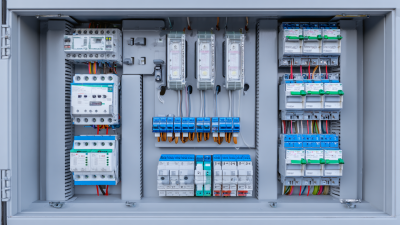
Cable management is another crucial aspect. A well-designed cabinet offers organized spaces for cables. This prevents tangling and eases maintenance tasks. It also enhances safety by reducing the risk of electrical faults. A cluttered cabinet can lead to frustration during repairs. Assess how your cabinet enables efficient cable routing before making a decision.
Key Features of Distribution Cabinets for Optimal Performance
Understanding Load Capacity: Power Handling in Distribution Cabinets
When selecting a distribution cabinet, understanding load capacity is crucial. The load capacity defines how much power a cabinet can handle. It varies from one setup to another. In Low Voltage Distribution Cabinets, the power handling can significantly affect the entire electrical system’s performance. Proper assessment is necessary to avoid overload issues.
Underestimating load capacity can lead to serious problems. For instance, excessive load can cause overheating. This could damage electrical components or even create safety hazards. It's essential to know the ratings of each circuit and the total load expected on the cabinet. Aligning these figures is vital.
Additionally, not every cabinet is suitable for every application. Consider the environmental factors too. If a cabinet is frequently exposed to moisture, it might need extra protection. Reflections or changes in load could also reveal the cabinet's limitations. Being aware of these factors improves Safety and Reliability.
Durability Standards: Weather Resistance and Material Strength
When considering distribution cabinets, durability is crucial. Weather resistance is a priority. Cabinets should withstand rain, snow, and intense sun. Material strength plays an essential role in longevity. Choose cabinets made from corrosion-resistant metals or high-density plastics.
Tips: Look for cabinets with a weatherproof rating. A strong finish can prevent rust and fading. Regular inspections can help identify potential vulnerabilities.
Different environments require varying levels of durability. Coastal areas may need cabinets that resist saltwater. Urban areas may expose cabinets to pollution. A one-size-fits-all approach doesn't work here.
Tips: Assess your environment before making a choice. Consider local weather patterns. Be open to adjusting your selection based on these factors. It’s essential to ensure your cabinet remains functional over time. Remember, durability is more than just a feature; it's an investment in reliability.
Safety Protocols: Compliance with Electrical Codes and Regulations
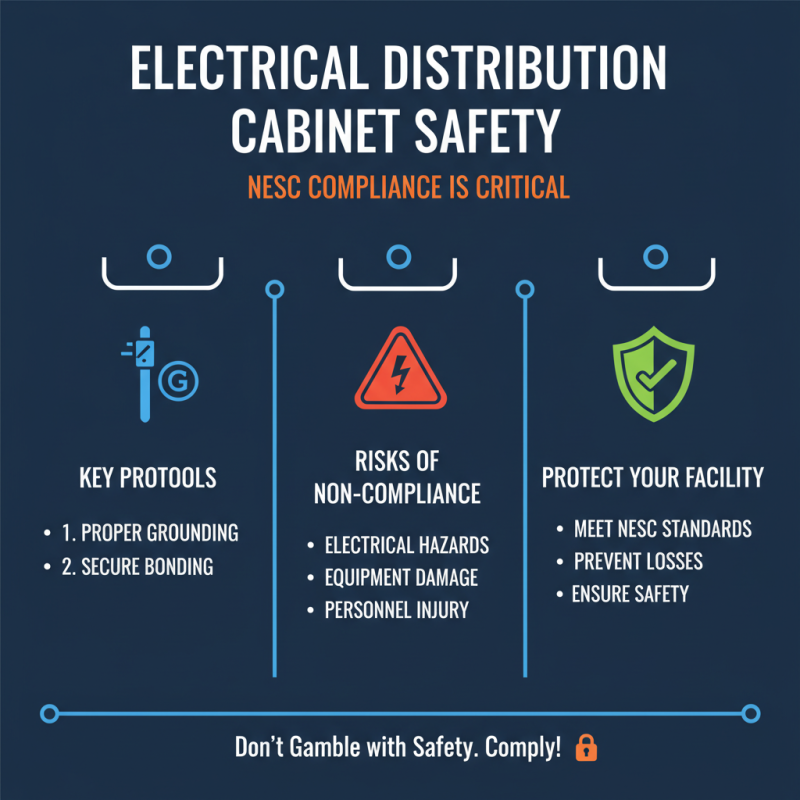
When discussing safety protocols in distribution cabinets, compliance with electrical codes is paramount. According to the National Electrical Safety Code (NESC), proper grounding and bonding are essential. Neglecting these aspects can lead to electrical hazards, resulting in costly damages and potential injuries. Many facilities fail to meet these standards, exposing themselves to risks.
Electrical codes outline the necessary clearances and spacing around components. The National Fire Protection Association (NFPA) recommends at least three feet of clearance for safe access. Yet, many cabinets are installed too close to walls or other obstructions, which can impede maintenance and emergency responses. This oversight can be disastrous, especially in high-demand areas where reliability is crucial.
Moreover, regular inspections are often overlooked. A study by the Institute of Electrical and Electronics Engineers (IEEE) indicated that nearly 30% of electrical failures stem from poor maintenance practices. Failure to conduct routine checks not only jeopardizes safety but also leads to inefficiencies. It’s essential to create a proactive maintenance schedule that complies with the latest industry standards. This way, facilities can mitigate risks and enhance operational reliability.
Ventilation and Cooling Mechanisms in Distribution Cabinets
Ventilation is crucial for a Distribution Cabinet. Proper airflow minimizes heat buildup. Without it, components could overheat. This can lead to equipment failure. Effective cooling mechanisms help maintain optimal temperatures. Common methods include passive and active ventilation.
Passive ventilation uses vents and ducts. It relies on natural convection. Hot air rises and escapes, allowing cooler air to enter. However, this method may not suffice in all environments. Active ventilation uses fans to enhance airflow. This method can be more efficient. Choosing the right mechanism depends on the cabinet's location and the devices housed within.
Some designs neglect ventilation entirely. This can compromise the performance and lifespan of the equipment. Regular maintenance is essential. Inspections should check for dust and debris in vents. Neglecting these details might lead to bigger issues. Understanding ventilation and cooling mechanisms in a Distribution Cabinet is vital for reliability.
Ease of Maintenance: Design for Accessibility and Serviceability
When it comes to an Electrical Distribution Cabinet, ease of maintenance is crucial. A well-designed cabinet allows technicians to access components without hassle. Features like removable panels improve serviceability. Choosing the right design can save time during inspections and repairs.
Tip: Regularly inspect the cabinet’s interior. Look for any signs of wear or damage. This can prevent larger issues down the line.
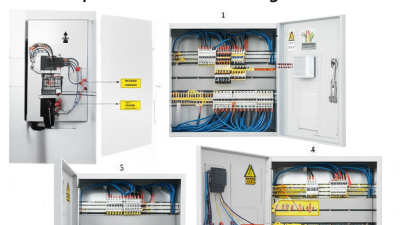
Accessibility is key. A thoughtfully arranged layout keeps all parts reachable. Clear labeling of wires and components aids in quick diagnosis. Consider using hinges that allow doors to open wide easily. This small change can significantly enhance work conditions.
Tip: Use color-coded labels for wiring. This can speed up troubleshooting and reduce errors.
Ultimately, the aim is to create a cabinet that promotes efficiency. While it’s easy to overlook these features, they play a critical role. Sometimes, people forget the importance of planning for accessibility. A little extra thought can lead to a more effective Electrical Distribution Cabinet.
Scalability and Customization: Adapting to Future Needs in Distribution Systems
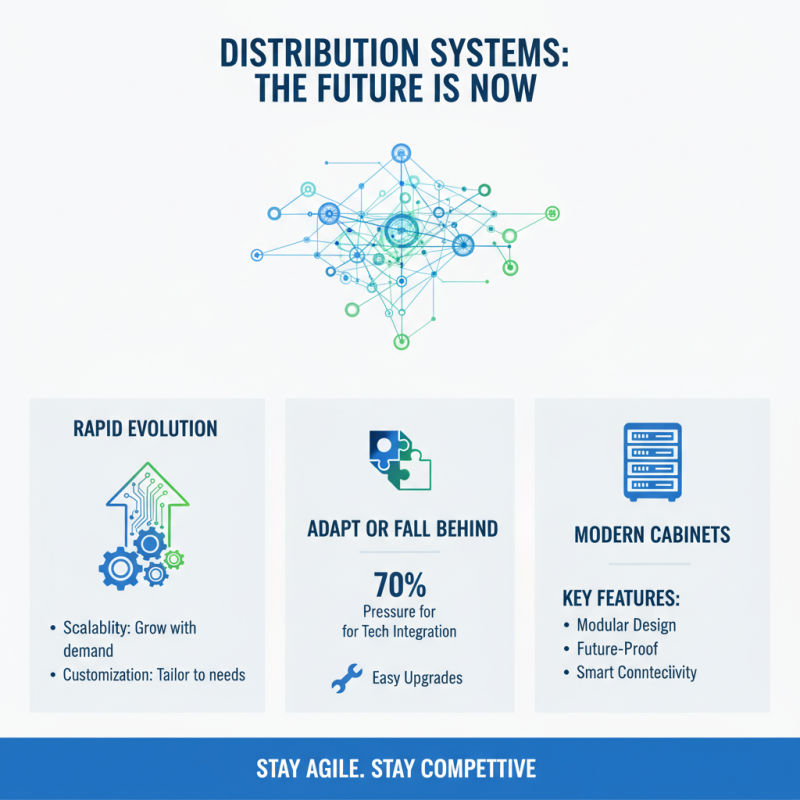
Distribution systems are evolving rapidly. Scalability and customization are crucial features for modern distribution cabinets. As infrastructure requirements shift, companies must adapt swiftly. Reports show that nearly 70% of organizations face pressures to integrate new technologies. This necessitates cabinets that can handle upgrades easily.
Outdoor Electrical Cabinets are becoming essential in this landscape. They must accommodate varying loads and diverse applications. Flexibility in design allows for quick adjustments to meet changing demands. A study found that 65% of companies that prioritize scalable solutions reported improved operational efficiency. Yet, many still rely on outdated models, missing opportunities for innovation.
Customization is another vital element. Distribution cabinets must be tailored to specific industry needs. This means incorporating features like smart monitoring and enhanced security. Data indicates that 45% of organizations see a direct link between specialized cabinets and reduced downtime. However, the challenge lies in balancing custom features with cost. Companies should reflect on their current choices and explore how modular designs can meet future demands more effectively.
Optimizing Electrical Systems with the XL-21 Power Distribution Panel: Key Features and Benefits
The XL-21 Power Distribution Panel is designed to optimize electrical systems in industrial and power generation settings, offering capabilities that cater to the challenges of modern electrical distribution. Operating within three-phase AC systems below 500V, it supports both three-wire and five-wire configurations. This flexibility allows users to tailor the panel to specific needs while ensuring safety and efficiency in power distribution.
Key features of the XL-21 include a robust indoor wall-mounted design that promotes ease of use and maintenance. Its fully enclosed structure, built from durable materials like C-profile or 8MF-profile, enhances resilience against environmental and operational stresses. Moreover, the inclusion of a rotary load disconnector switch for on-load operation simplifies the process of managing electrical loads without unnecessary downtime, significantly increasing productivity. The front panel is equipped with essential monitoring tools such as voltage and current meters, signal lights, and operation controls, providing operators with immediate access to critical system information.
Recent industry reports indicate that optimizing electrical systems can lead to significant cost savings and increased operational efficiency. For instance, studies have shown that modernizing power distribution frameworks can improve energy reliability by up to 20%, while reducing maintenance costs by about 15%. With customizable wiring schemes, the XL-21 ensures that organizations can implement a solution that effectively addresses their unique power distribution requirements, paving the way for enhanced performance and operational excellence in various industrial applications.
FAQS
: The product aims to provide users with an efficient solution for daily tasks. It's designed for convenience and ease of use.
Regular cleaning is essential. Ensure it is free from dust and grime to keep it functioning well.
Usage outdoors is possible, but consider environmental conditions. Excessive moisture or heat may affect its performance.
Yes, a limited warranty is available. Review the warranty details for specific coverage and duration.
Troubleshooting steps are provided in the user manual. Contact customer support if issues persist after following those steps.
The product has a learning curve. Beginners might require extra practice, but it’s generally user-friendly.
Some accessories enhance performance. They are optional but can be helpful for specific tasks.
A return policy is in place. Ensure it’s within the allowed period and in original condition for a refund.
Evaluate your needs. Consider how the product addresses them. Personal preferences play a significant role in decision-making.
Additional inquiries can be directed to customer service via email or phone. They are typically responsive and helpful.
Conclusion
The article explores the essential features of Distribution Cabinets, highlighting their significance for optimal performance in electrical systems. Key aspects include understanding load capacity, which is crucial for effective power handling, and durability standards that ensure weather resistance and material strength. Furthermore, it emphasizes the importance of adhering to safety protocols and compliance with electrical codes to guarantee operational safety.
Additional considerations include the necessity of proper ventilation and cooling mechanisms to maintain efficiency, along with ease of maintenance which is essential for long-term serviceability. Lastly, scalability and customization are discussed as vital components for adapting Distribution Cabinets to meet future demands in distribution systems, ensuring they remain relevant and efficient as technology and needs evolve.