inquiry
Inquiry
Form loading...
0%

Choosing a 1250kva Transformer rated for 10kV, 11kV, or 22kV isn’t just about checking the factory prices — there's a lot more to consider. Things like the network voltage, how your load fluctuates, short-circuit levels, installation altitude, and cooling conditions all need to be in sync. For example, a rural substation might need a different design compared to a compact industrial setup. Oh, and don’t overlook copper temperature or moisture — they really matter.

Dr. S. V. Kulkarni, a well-respected expert in transformer design, often says, “A transformer should be built for the system it’s meant to serve, not just based on its nameplate.” That’s a good rule of thumb when we’re looking at Chinese-made distribution and Power Transformers. Brands like Jiangsu Huapeng and other reputable manufacturers might offer both oil-immersed or dry-type options, but it’s crucial to dig into their test records. Make sure they meet IEC 60076 standards, and check their no-load loss, load loss, insulation quality, and routine test results. Don't forget to ask about the tap-changer range and how much hands-on experience their factory has.

A reliable 1250kVA transformer should keep your voltage steady, even if your demand swings around. The tank, bushings, cooling radiators, and protective accessories should all match the actual site conditions. If you’re hunting for a 10kV transformer, just knowing the rated voltage isn’t enough — you also need to confirm with your utility that the connection voltage matches (be it 10kV, 11kV, or 22kV). Tiny mistakes here can turn into costly problems later on.

Of course, this isn’t a one-size-fits-all checklist. Field conditions vary, and some published efficiency figures might need a little independent verification. That’s why this guide suggests looking closely at the technical details, the manufacturer’s experience, after-sales support, and real-world operating risks before jumping to the best Chinese transformer options.
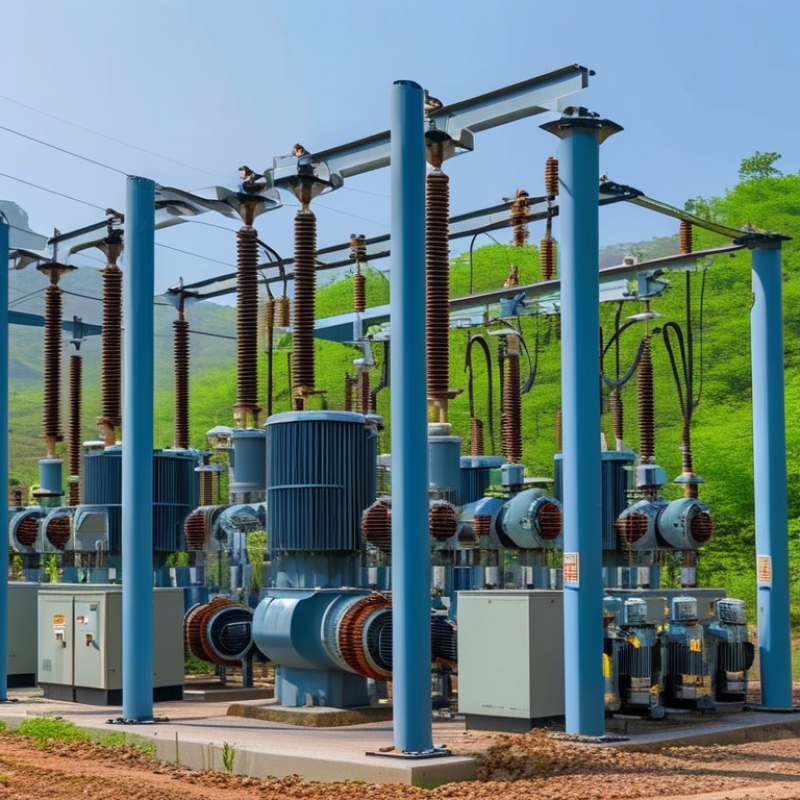
China Best 1250kVA 10kV 11kV 22kV Transformer?

1250kVA Transformer: Definition and Core Functions

1250kVA Transformer: Definition and Core Functions

A 1250kVA transformer is a static electrical device rated for 1,250 kilovolt-amperes of apparent power. It transfers electrical energy between circuits through electromagnetic induction. The unit can step medium voltage down from 10kV, 11kV, or 22kV to a usable low-voltage supply. It does not create power. It changes voltage and current levels.

In a distribution system, the transformer supports factories, commercial buildings, and utility substations. Its primary winding receives medium-voltage electricity, while the secondary winding supplies equipment at a safer operating voltage. Core laminations reduce magnetic losses, and copper or aluminum windings carry the load. Oil-filled designs use insulating oil for cooling and insulation. Dry-type units rely on air and solid insulation.

During commissioning, technicians check insulation resistance, winding ratio, grounding, noise, and temperature rise. These details matter more than the nameplate alone. A 1250kVA rating does not guarantee reliable service under every load. Harmonic currents, poor ventilation, unbalanced phases, and frequent overloads can shorten transformer life. That is easy to underestimate.

Protection may include fuses, circuit breakers, surge arresters, temperature indicators, and pressure-relief devices. Tap changers help correct voltage variation, but adjustment must follow the operating design. Applicable IEC standards and local electrical codes should guide testing and installation. Field conditions still deserve careful review. A technically correct selection can perform poorly when cable sizing or cooling space is overlooked.

Voltage Ratings: Comparing 10kV, 11kV, and 22kV Systems

For a 1250kVA transformer, the voltage rating must match the utility network, not just the project drawing. A 10kV system typically uses equipment designed for a 10kV primary winding and suitable insulation levels. At full load, the primary current is about 72A in a three-phase system.

An 11kV system is common in regional distribution networks. An 11kv Transformer carries approximately 66A at 1250kVA. That lower current can reduce cable losses compared with a 10kV arrangement, but only when the network voltage is genuinely 11kV.

A 10kV unit should not be connected casually to an 11kV feeder. Small differences matter.

22kV equipment requires stronger insulation, greater clearances, and carefully selected bushings and surge protection. Its full-load current is approximately 33A, which can support efficient medium-voltage distribution over longer distances. However, the transformer size, testing requirements, and installation space may increase. Field inspections often reveal mismatched tap settings or unclear nameplates. That is not ideal. Before ordering, I would verify the utility’s nominal voltage, highest operating voltage, frequency, vector group, impedance, and grounding method. A dual-voltage design may be possible, but it needs engineered windings and approved switching arrangements. Catalog wording alone can mislead.

Key Technical Specifications and Transformer Design

Selecting a 1250kVA transformer begins with system voltage, load profile, and installation climate. For 10kV, 11kV, or 22kV networks, the high-voltage winding must match the measured service voltage. A typical unit supplies 0.4kV low voltage, uses 50Hz, and operates with ONAN cooling. IEC 60076 defines requirements for insulation, temperature rise, testing, and short-circuit strength. Keep it practical.

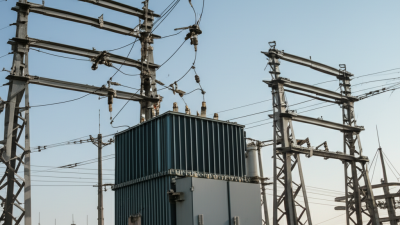
For an 11Kv Oil Immersed Power Transformer for Outdoor Use, sealing and corrosion protection matter. A conservator, silica-gel breather, pressure-relief device, oil thermometer, and drain valve support maintenance. Common designs use Dyn11 and 4–6% impedance, but fault calculations must confirm the final value. Tap links often provide ±2×2.5% adjustment. They cannot fix poor voltage planning. At 1250kVA, rated low-voltage current reaches about 1,804A at 400V. That cable detail changes the design.

Losses deserve equal attention. The IEA Electricity 2024 report forecasts global electricity demand growth averaging 3.4% annually through 2026. This increases pressure on reliable distribution equipment. The U.S. Department of Energy’s 2024 efficiency rule also emphasizes lifecycle performance. Specify no-load losses, load losses, sound level, oil type, and routine-test certificates. CIGRE guidance supports dissolved-gas analysis and moisture checks. Generic catalog data remains imperfect. It cannot predict local harmonics, heat, or unbalanced loading. Witness testing and site measurements should challenge the design before energization.

China Best 1250kVA 10kV 11kV 22kV Transformer? - Key Technical Specifications and Transformer Design

Specification Category Parameter Typical Design Data Design Notes
Basic Rating Rated power 1,250 kVA Continuous rating under the specified cooling and ambient conditions.
Phase and service Three-phase distribution transformer Suitable for utility, commercial, industrial, and renewable-energy distribution applications.
Frequency 50 Hz or 60 Hz The selected frequency must match the power system and magnetic-core design.
High-voltage winding 10 kV, 11 kV, or 22 kV The rated primary voltage is selected according to the local medium-voltage network.
Low-voltage winding 400 V or 415 V, line-to-line A 400/230 V or 415/240 V system may be used, subject to the destination grid standard.
Electrical Performance Rated current at 400 V secondary Approximately 1,804 A Calculated as 1,250 kVA ÷ (√3 × 0.400 kV).
Rated current at 11 kV primary Approximately 65.6 A Calculated as 1,250 kVA ÷ (√3 × 11 kV).
Rated current at 22 kV primary Approximately 32.8 A Calculated as 1,250 kVA ÷ (√3 × 22 kV).
Short-circuit impedance Typically 5%–6% The final value must coordinate fault current, voltage regulation, and parallel-operation requirements.
Voltage regulation Typically about 1.5%–3.0% at rated load Actual regulation depends on impedance, winding resistance, power factor, and temperature.
Winding and Connection Vector group Dyn11 Common for distribution service; Dyn1 or another group may be specified where system phase displacement requires it.
High-voltage neutral Normally not brought out for a delta-connected HV winding Alternative connection arrangements require a dedicated system study.
Low-voltage neutral Brought out and solidly or impedance grounded Grounding method is determined by the installation protection and earthing scheme.
HV tap changer Off-circuit tap changer, typically ±2 × 2.5% Tap adjustment must be made only when the transformer is de-energized.
Conductor material Copper or aluminium windings Material selection affects dimensions, losses, weight, cost, and terminal design.
Insulation and Thermal Design Cooling method ONAN Oil-immersed, naturally circulated oil and naturally circulated air cooling.
Insulating liquid Mineral insulating oil or approved ester fluid The fluid type must be compatible with the tank, seals, fire-safety requirements, and applicable regulations.
Temperature-rise design target Typically 55 K winding / 50 K oil Final limits depend on the selected standard, insulation system, and ambient conditions.
Core material Grain-oriented electrical steel, step-lap core construction Designed to reduce no-load loss, magnetizing current, vibration, and audible noise.
Ambient conditions Typically up to 40°C maximum ambient Altitude, solar exposure, humidity, and installation enclosure may require derating or design changes.
Losses and Efficiency No-load loss Approximately 1.0–2.0 kW, subject to the adopted efficiency class Measured at rated frequency and voltage; the guaranteed value must be stated in the purchase specification.
Load loss at reference temperature Approximately 10–14 kW Depends on winding material, conductor current density, impedance, and specified temperature reference.
Peak efficiency Typically above 98% Usually occurs below full load because no-load loss remains nearly constant while load loss varies with current squared.
Energy-efficiency compliance Specify the applicable national or regional efficiency class Loss limits vary by jurisdiction and should be confirmed before final design approval.
Mechanical and Protection Features Tank construction Sealed corrugated tank or conservator-type tank The selected design depends on oil expansion, maintenance strategy, transport limits, and environmental conditions.
Standard accessories Pressure-relief device, oil-level indicator, thermometer, drain valve, lifting lugs, and earthing terminals Accessory selection varies with tank type and project protection requirements.
HV terminals Cable box, plug-in connector, or porcelain/polymer bushing The interface must match the switchgear, cable type, creepage distance, and installation environment.
Enclosure protection Typically IP23 for ventilated outdoor transformer enclosures Higher protection may be required for indoor, coastal, dusty, or restricted-access installations.
Corrosion protection Blasted steel, zinc-rich primer, and weather-resistant topcoat The coating system should be selected according to the site corrosion category.
Applicable Standards and Tests Primary transformer standard IEC 60076 series or the applicable national equivalent The governing standard should be identified in the technical specification before quotation.
Routine tests Winding resistance, ratio and phase displacement, impedance, load loss, no-load loss, dielectric routine tests, and leak test Test procedures and acceptance tolerances should follow the selected standard.
Type or special tests Temperature-rise, lightning-impulse, sound-level, short-circuit, or partial-discharge tests when specified The required test scope depends on the network voltage, purchaser requirements, and regulatory rules.
Documentation Routine test report, rating plate, outline drawing, wiring diagram, installation manual, and oil certificate where applicable Final documentation should identify the exact voltage ratio, vector group, taps, losses, impedance, and accessories.

Note: The values shown are typical reference-design data for a 1,250 kVA oil-immersed distribution transformer. Final guaranteed values must be confirmed through the project voltage system, applicable standards, site conditions, protection study, and purchaser specification.

China Manufacturing Standards and Quality Requirements

China’s best 1250kVA transformer should meet Chinese standards before price becomes a deciding factor.

GB/T 1094 covers transformer design, temperature-rise limits, insulation, testing, and short-circuit performance. For 10kV, 11kV, or 22kV systems, the rated voltage must match the utility network and insulation level. A common secondary voltage is 0.4kV, but project drawings must confirm it. GB 20052-2024 also defines transformer energy-efficiency requirements in China. Buyers should request verified no-load loss, load loss, impedance, and temperature-rise data. Numbers matter more than polished brochures.

The IEA Electricity 2024 report forecasts average global electricity-demand growth of about 3.3% annually from 2024 to 2026. This increases pressure on distribution equipment and operating efficiency. In factory inspections, engineers should check core clamping, winding insulation, oil sealing, earthing terminals, and tap-changer operation. Routine tests should follow GB/T 1094 and the approved purchase specification. Type-test reports from accredited laboratories add stronger evidence. However, one weakness remains: test data may represent a different design. That detail deserves careful review. A reliable supplier should provide traceable materials, calibrated instruments, factory test records, and clear acceptance criteria for every 1250kVA unit.

Installation, Operation, and Routine Maintenance

A 1250kVA 10kV, 11kV, or 22kV transformer demands careful installation from day one. An 11kV Outdoor Oil Immersed Power Transformer should stand on a level foundation, with clear drainage around the oil tank. Check terminal torque, cable clearance, earthing resistance, and phase identification before energizing. IEC 60076-2 commonly applies a 65 K winding temperature-rise limit for oil-immersed designs. Poor ventilation can quietly reduce that margin.

During operation, record load current, oil temperature, ambient temperature, and unusual noise. IEEE C57.91 identifies 110°C as a normal hottest-spot reference for insulation aging. Repeated overloads can shorten expected service life, even when protection does not trip. CIGRE fleet studies often place transformer service life near 30–40 years, but weak maintenance can change that result. Inspect oil level and bushings monthly. Test dissolved gas, moisture, and insulation condition at planned intervals. Field conditions are rarely perfect. Small oil leaks are easy to ignore, until they are not.

Tips: Keep a dated inspection log. Compare readings, not isolated values. Clean bushings before peak humidity seasons. Tighten connections only after isolation and verification. Never treat a low temperature reading as proof of safety; unbalanced loading may hide a hot winding. Review relay settings after system changes. One practical improvement remains overlooked: photograph every inspection point, because memory becomes unreliable after several years.

China Best 1250kVA 10kV 11kV 22kV Transformer — Installation, Operation, and Routine Maintenance

Typical routine-maintenance planning intervals for an oil-immersed distribution transformer. Actual intervals should follow the equipment manual, site conditions, operating load, and applicable electrical regulations.

Weekly checks focus on operating condition, while monthly and annual checks support early detection of temperature rise, oil deterioration, insulation problems, and grounding issues.

How to Select the Best 1250kVA Medium-Voltage Transformer

Choosing the best 1250kVA medium-voltage transformer starts with the network, not the catalogue. Confirm whether the primary voltage is 10kV, 11kV, or 22kV. Check the secondary voltage, frequency, earthing system, and expected load profile. A factory with welding equipment needs stronger short-circuit performance than a quiet office complex.

IEC 60076 provides the core testing and performance framework for power transformers. Specify rated power, impedance, vector group, insulation level, cooling method, and tap-changer range. Oil temperature, altitude, humidity, and ventilation also affect service life.

The IEA’s 2023 Electricity Grids report estimates annual grid investment must exceed 600 billion dollars by 2030. This expansion increases demand for dependable transformer capacity. The U.S. Department of Energy has also reported longer transformer lead times and supply-chain pressure. Delivery deserves technical attention, not just purchasing attention.

Tips: Request routine test reports, loss data, temperature-rise results, and short-circuit test evidence. Compare total ownership cost, not only the purchase price. Ask for oil compatibility and maintenance intervals. Explore our high-quality 11kV oil immersed transformers. A lower-loss unit may cost more initially but reduce operating waste for years. Still, specifications can hide mistakes. Recheck the actual load, future expansion, and installation environment before approval.

European Box-Type Transformer Substations: Compact Prefabricated Power Distribution Solutions

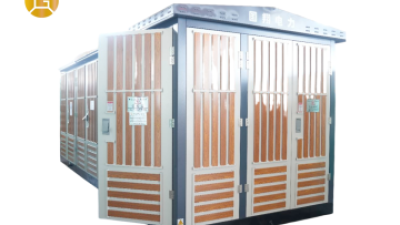
European box-type transformer substations provide a compact and efficient solution for modern power distribution. This fully integrated unit combines high-voltage switchgear, a transformer, and low-voltage panels within a prefabricated enclosure, helping simplify installation and improve overall system coordination. It is well suited to urban buildings, residential complexes, industrial parks, commercial facilities, and other locations where dependable electricity must be delivered within limited space.

Compared with conventional substations, the compact design can occupy only one-tenth to one-fifth of the footprint, reducing land requirements, construction work, and project costs. Its sealed structure improves protection against dust, moisture, and external interference while supporting ring-main, dual-power, and other flexible configurations. These options help maintain supply continuity and make routine inspection and maintenance more convenient, with less downtime for connected users.

The modular and mobile design also supports grid modernization in both urban and rural areas. Units can be transported, positioned, and commissioned efficiently as power demand changes or infrastructure is upgraded. By integrating essential distribution equipment into one coordinated package, the box-type substation offers a practical balance of space efficiency, operational safety, installation flexibility, and reliable long-term performance.

FAQS

: What voltage should a 1250kV

transformer support?

What cooling method is commonly used?

ONAN cooling is typical for this capacity. It uses natural oil circulation and natural air movement. Climate still matters. High heat may change the final design.

What current flows on the low-voltage side?

At 400V, the rated current is about 1,804A. This affects cable size, busbar selection, and connection spacing. Small assumptions can become expensive.

Which protective and maintenance features are useful?

Outdoor units commonly include a conservator, silica-gel breather, pressure-relief device, oil thermometer, and drain valve. Corrosion protection is important. Sealing deserves close inspection.

Can tap links solve voltage problems?

Tap links may provide adjustment around ±2×2.5%. They cannot correct poor voltage planning. Measure the supply voltage first. Then confirm the required tap position.

Which technical data should buyers request?

Request no-load loss, load loss, impedance, temperature rise, sound level, oil type, and routine-test records. Ask for calibrated measurement evidence. Brochures alone are weak evidence.

Which Chinese standards are relevant to manufacturing?

GB/T 1094 covers design, insulation, temperature rise, testing, and short-circuit performance. GB 20052-2024 addresses energy-efficiency requirements. The approved purchase specification must also be checked.

What should inspectors examine inside the factory?

Inspect core clamping, winding insulation, oil sealing, earthing terminals, and tap-changer operation. Review material traceability and test records. Look closely.

Are type-test reports always enough?

No. A report may describe a different design. Compare its ratings, structure, materials, and test conditions with the ordered transformer. This weakness is easy to miss.

What should happen before energization?

Witness testing and site measurements should challenge the design. Check harmonics, heat, moisture, and load balance. Generic data cannot predict every local condition. Recheck the assumptions.

Conclusion

A 1250kVA transformer is designed to transfer electrical power efficiently between medium-voltage networks and lower-voltage distribution systems, supporting industrial facilities, commercial buildings, and utility applications. The 1250kva 10kv 11kv 22kv transformer can be configured for different voltage environments, with 10kV and 11kV commonly used in regional distribution networks, while 22kV is suitable for systems requiring higher transmission efficiency and reduced line losses. Selecting the correct voltage rating depends on grid conditions, load requirements, insulation coordination, and connection design.

Key considerations include transformer efficiency, impedance, temperature rise, cooling method, insulation performance, short-circuit strength, noise level, and protection features. Manufacturing should follow applicable national and international standards, with strict control of materials, winding quality, factory testing, and safety performance. Proper installation requires suitable foundations, grounding, ventilation, clearances, and protective equipment. Routine maintenance should include inspections of bushings, connections, oil or insulation condition, temperature, noise, and load balance. The best transformer is one that matches the operating environment, provides reliable long-term performance, and offers practical maintenance and lifecycle value.

Isabella

Isabella

Isabella is a dedicated marketing professional at Jiangxi GUOXIANG Electric Power Equipment Co., Ltd., where she has been instrumental in shaping the company’s online presence since its establishment in 2016. With a deep understanding of the company's extensive range of integrated power solutions,......
Previous Top 10 Gas Insulated Switchgear Solutions for Global Buyers?