Inquiry
Form loading...
Nowadays, with the electrical world changing so fast, it’s clear that new tech is really stepping up how we make systems more efficient and reliable. One of the coolest recent innovations? Phase Transformers. These little gadgets are becoming pretty much essential in today’s electrical setups. According to a report from the International Energy Agency (IEA), the worldwide market for these transformers is expected to grow by about 7.5% each year for the next five years. That’s mainly because they play a crucial role in keeping power quality high and balancing loads more effectively.
Industry expert Dr. Robert Smith from Power Solutions Inc. put it pretty well when he said, “Phase Transformers aren’t just some new tech — they’re key for making energy use more efficient and keeping the whole system stable, especially at a time when everyone’s electricity needs are just skyrocketing.” It’s a reminder that electrical engineers and utility companies should really be paying attention to these transformers if they want to upgrade their infrastructure. As we look at the top ten benefits of using Phase Transformers, you’ll see just how much they can change the game — making our electrical systems smarter, more sustainable, and way more reliable.
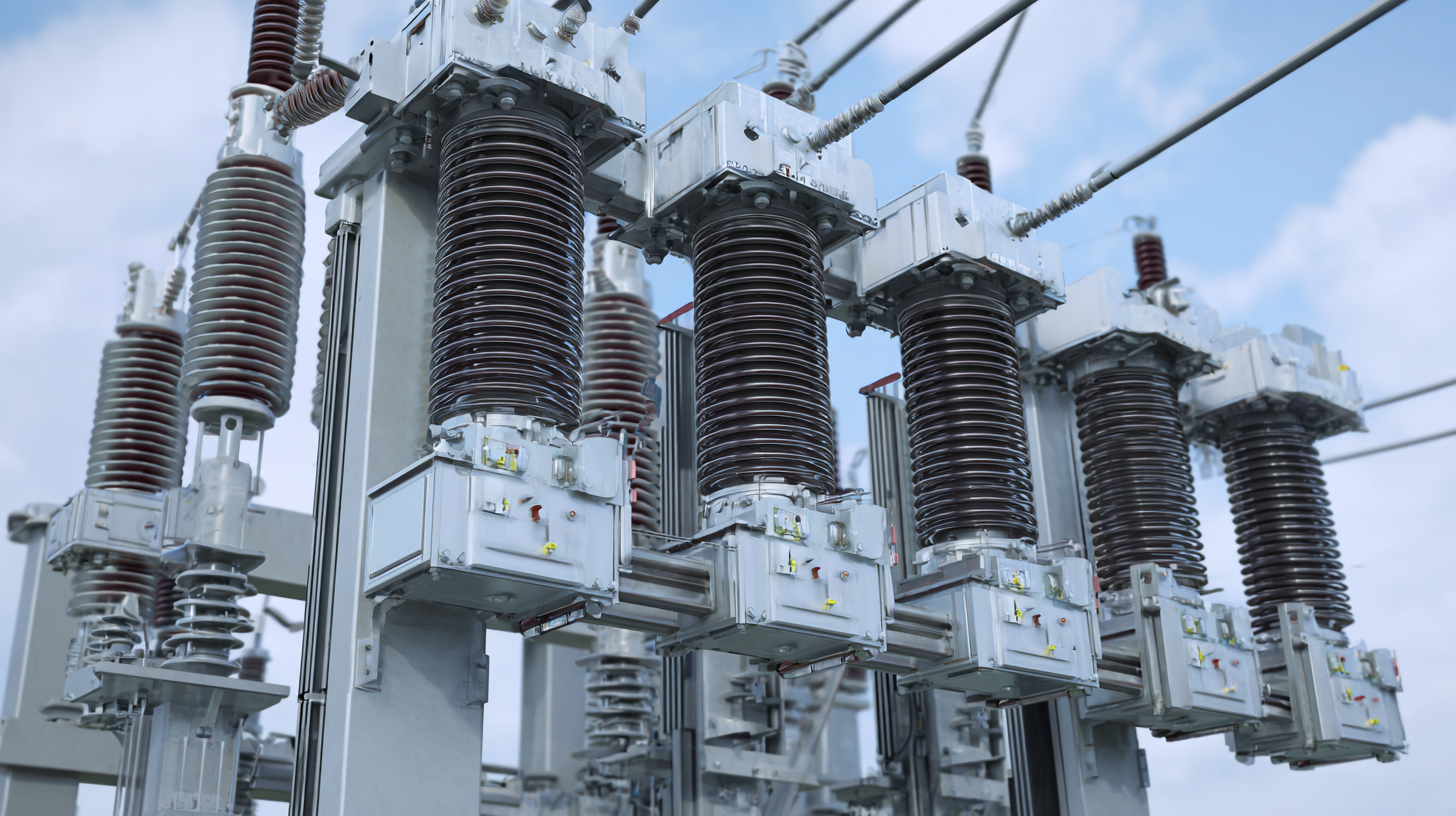
Phase transformers play a critical role in enhancing Energy Efficiency and management within modern electrical systems. According to a study by the International Energy Agency, integrating phase transformers can improve electrical system efficiency by up to 30% by optimizing voltage levels and reducing losses during transmission. This is particularly crucial in industries where energy costs significantly impact operational expenses. The increased efficiency leads not only to reduced energy consumption but also to lower greenhouse gas emissions, aligning with global sustainability goals.
Moreover, phase transformers facilitate better load balancing and voltage regulation, which are essential for maintaining system stability. A report from the Electric Power Research Institute highlights that implementing phase shifting transformers can reduce peak load by 15%-20% in high-demand scenarios, enabling utilities to manage energy more effectively. This capability allows for a more dynamic response to fluctuating demand, ultimately contributing to improved reliability and reducing the need for additional infrastructure investment. As the energy landscape evolves, the strategic deployment of phase transformers will be essential for optimizing grid performance and achieving greater energy management efficiencies.
The SCBH Series 10kV Three Phase Dry-type Amorphous Transformers represent a significant advancement in energy efficiency and sustainability. Utilizing advanced amorphous alloy materials for their cores, these transformers exhibit remarkable benefits over traditional silicon steel transformers. According to industry reports, amorphous alloy transformers can achieve energy losses that are up to 70% lower than those of conventional models. This reduction directly translates into decreased operational costs and enhanced overall system efficiency, making them a prime choice for businesses seeking to optimize energy consumption.
In addition to their impressive energy performance, the SCBH Series transformers are designed to withstand complex working environments. These transformers boast excellent high-temperature resistance and stable mechanical strength, ensuring reliability and longevity even under challenging conditions. With the increasing global emphasis on sustainability, many organizations are turning to technologies that not only meet regulatory requirements but also contribute to their corporate social responsibility goals. The SCBH Series aligns perfectly with this vision, providing a sustainable solution that supports both the environment and economic performance.
Moreover, the growing adoption of renewable energy sources necessitates interface equipment that can maintain efficiency under dynamic loads. The SCBH transformers are well-equipped for this role, offering robust performance that meets the demands of fluctuating energy supply and demand. As industries move towards greener operations, the SCBH Series is poised to play a critical role in shaping the future of energy-efficient technologies.
: Integrating phase transformers can improve electrical system efficiency by up to 30%, optimize voltage levels, and reduce losses during transmission, leading to lower energy consumption and greenhouse gas emissions.
Phase transformers facilitate better load balancing and voltage regulation, which can reduce peak load by 15%-20% in high-demand scenarios, allowing utilities to manage energy demand more effectively.
The integration of phase transformers can reduce operational costs by nearly 20% through improved efficiency in power distribution and minimizing losses from uneven load distribution.
By improving power distribution efficiency and minimizing operational losses, phase transformers help prolong the lifespan of essential electrical components, which reduces maintenance expenses.
Phase transformers help minimize capital expenditures by facilitating the integration of lower-cost renewable energy sources, such as solar and wind, into the grid without the need for excessive investments in new infrastructure.
By enabling a dynamic response to fluctuating demand and improving load balancing, phase transformers contribute to improved reliability of the electrical system, reducing the need for additional infrastructure investments.
Increased efficiency from phase transformers leads to lower greenhouse gas emissions, supporting global sustainability goals while enabling a cleaner energy transition.
Voltage regulation helps maintain system stability and efficiency, which are critical functions performed effectively by phase transformers.
They enable optimal supply across different phases, minimizing distribution losses, which contributes to lower energy costs and enhanced overall cost-effectiveness of the electrical infrastructure.
As the energy landscape evolves, strategically deploying phase transformers is essential for optimizing grid performance and achieving greater efficiencies in energy management.
Phase transformers play a crucial role in enhancing modern electrical systems by offering a variety of benefits. Their integration significantly improves energy efficiency and management, allowing for better voltage stability across applications. By reducing harmonics and improving power quality, phase transformers contribute to a more reliable and efficient electrical infrastructure. Additionally, they provide cost-effectiveness and bolster system reliability and redundancy, making them an invaluable asset in today’s energy landscape.
At Jiangxi Guoxiang Electric Power Equipment Co., Ltd., we understand the importance of phase transformers in optimizing power solutions. Established in 2016, our company focuses on delivering integrated services that encompass R&D, manufacturing, sales, and engineering, ensuring that our clients benefit from cutting-edge technology and reliable power management solutions.
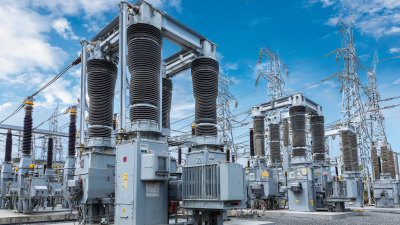
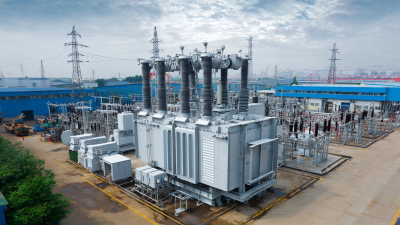
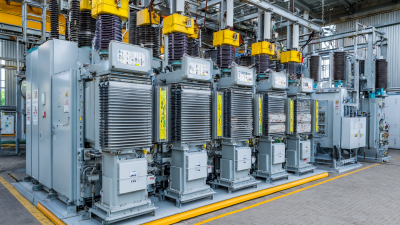
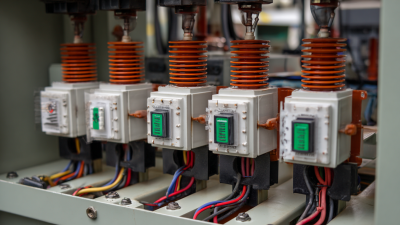

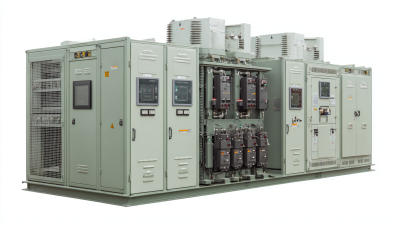


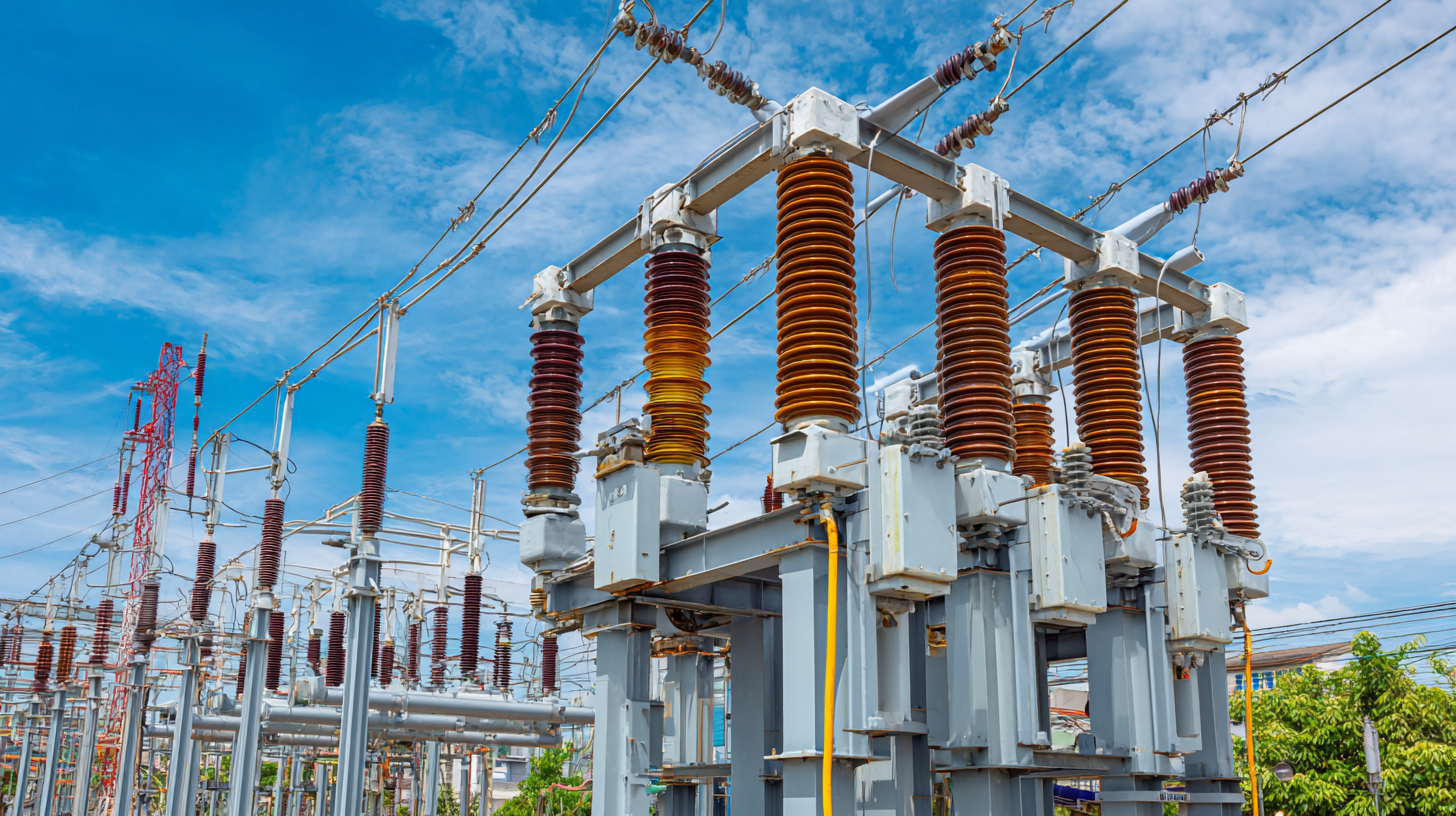 Phase transformers play a crucial role in enhancing voltage stability within modern electrical systems. By effectively managing phase shifts, these transformers bridge the gap between different voltage levels while maintaining power quality. This is vital in an era where the demand for stable electrical supply is ever-increasing due to the proliferation of sensitive electronic devices and renewable energy sources. The ability of phase transformers to mitigate voltage fluctuations ensures that the integrity of the electrical grid remains intact, thereby facilitating seamless energy distribution.