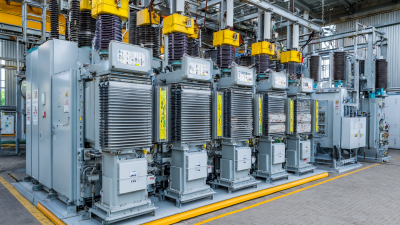
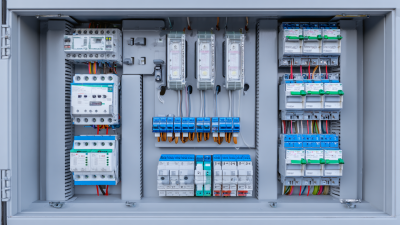
Picking the right Power Transformerisn’t just a technical detail — it’s actually pretty crucial if you want to boost Energy Efficiency in your electrical systems. As electricity demand keeps climbing, tuning your transformers for optimal performance becomes even more important. It helps cut down on energy losses and can save a bunch on operational costs. Did you know that, according to theInternational Energy Agency, transformers make up around 3% of global electricity use? That’s a pretty big deal when you think about how much it impacts overall energy expenses.
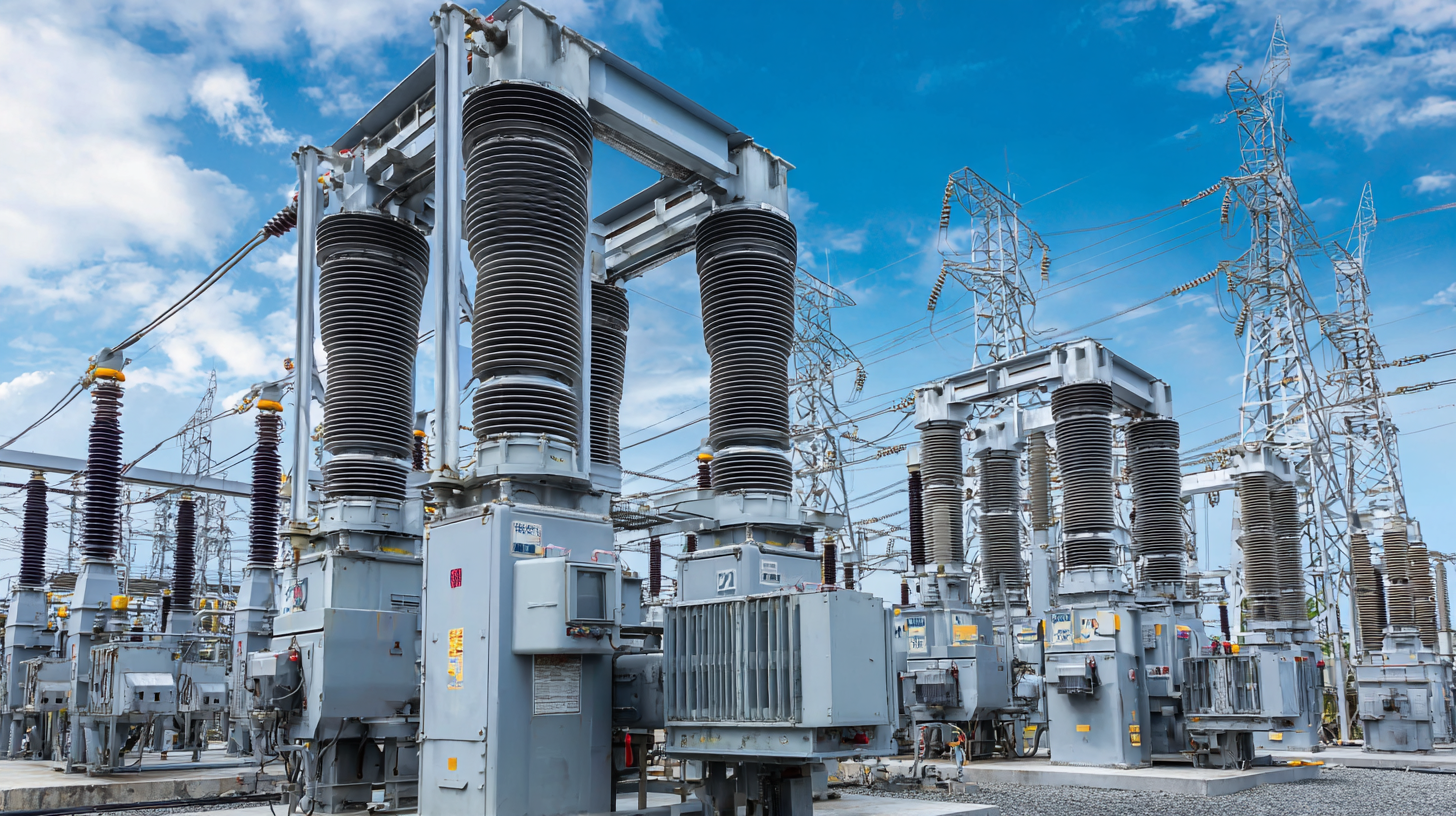
Now, companies like Jiangxi Guoxiang Electric Power Equipment Co., Ltd., which has been around since 2016, are leading the charge in this space. They offer all-in-one power solutions — from research and development to manufacturing, sales, and engineering support. By paying attention to which type of power transformer you pick, not only can you improve your energy savings, but you can also stay in line with regulations and industry standards aimed at sustainability. Basically, understanding these choices is key for stakeholders who want to get the best bang for their buck, balancing performance with cost savings in their energy management strategies.
Key Factors Influencing Power Transformer Efficiency in Selection Process
When you're choosing a power transformer, there are quite a few important factors that can really affect how efficient it is—ultimately, this impacts how well your entire electrical system performs. One major thing to consider is the core material. The U.S. Department of Energy points out that opting for silicon steel versus amorphous steel can make a pretty noticeable difference—up to 30% in energy savings—mainly because of reduced no-load losses. If you're dealing with transformers that don’t run at full load all the time, then going with amorphous steel, which has lower magnetic losses, can be a real game-changer.
Another point to keep in mind is the transformer’s size and design. Choosing one that's properly matched to your load needs can really boost efficiency. According to the Electric Power Research Institute (EPRI), using a transformer that's too big actually causes more losses—something that can cut your efficiency by around 10%. Plus, if you add in some of the latest tech, like smart monitoring and control systems, you can fine-tune performance on the fly, making things run more smoothly and saving energy in the process. Taking all these factors into account helps not just with meeting your current energy needs but also supports longer-term sustainability goals.
Benefits of Power Transformer Type Selection for Energy Efficiency
Comparative Analysis of Transformer Types for Energy Savings
Picking the right kind of power transformer is pretty important if you want your electrical system to run efficiently. There are a bunch of options—like traditional transformers, amorphous ones, or dry-type transformers—and each offers different levels of efficiency and performance. For example, amorphous transformers tend to have much lower no-load losses compared to the standard silicon steel types. That’s a big deal because it means you save energy and, over time, it can cut down your operational costs quite a bit.
On top of that, deciding between dry-type and oil-filled transformers isn’t just about efficiency, but also safety and environmental impact. Dry-type transformers are often the go-to in city areas since they’re safer and easier to maintain. But if you’re dealing with heavy loads, oil-filled transformers usually deliver better energy efficiency. It’s really about understanding what your specific needs are—like the load you'll be handling and the environment they're in. Making the right choice here can help you maximize energy savings while also keeping environmental impact and costs in check. It’s a bit of a balancing act, but getting it right can make a real difference in the long run.
Impact of Load Conditions on Transformer Selection and Performance
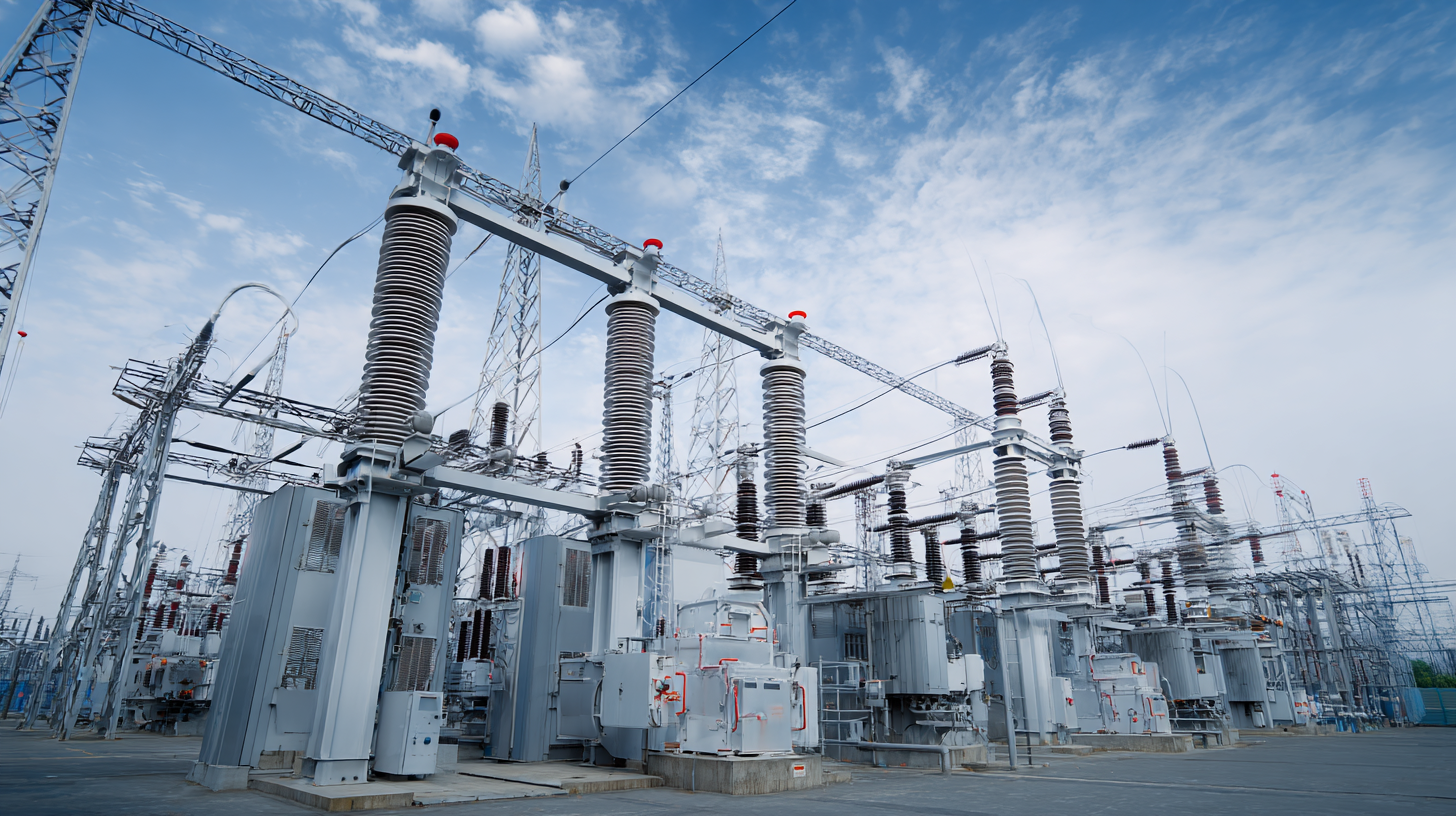
When it comes to choosing the right transformer, how loads behave really makes a big difference in how well everything runs—and how efficient the whole power system is. Transformers are built to handle certain load conditions, so if the actual loads are higher or fluctuate unexpectedly, it can cause more losses and make them less effective. That’s why, when you're selecting a transformer, it’s super important to think about the typical load patterns—like peak times or variable demands. Doing this can actually boost the lifespan of the transformer and keep things running smoothly. For example, using a transformer that's properly rated for the actual operating conditions helps reduce heat stress and saves energy in the long run, which eventually means some nice cost savings.
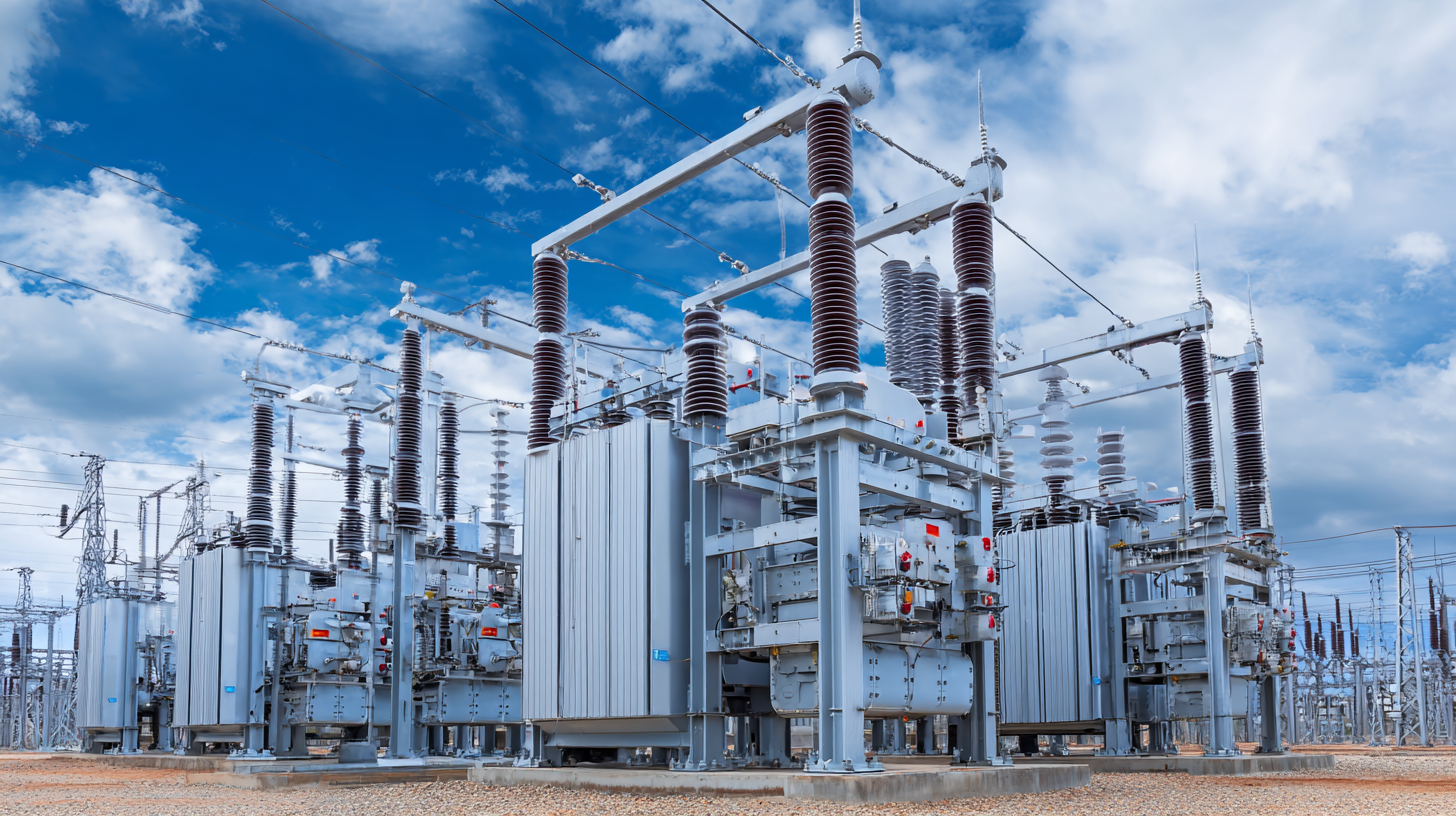
Plus, the type of transformer you pick matters, too. Things like self-cooled units versus oil-immersed ones are designed for different load situations. Self-cooled transformers work pretty well in environments with moderate or lower power needs—they don’t need complicated cooling systems. But if the load's higher or more variable, then those transformers with better insulation technology or enhanced features can give you extra reliability and safety.
All in all, matching your transformer design to the actual load not only makes things more efficient but also supports the bigger picture—like reducing waste and helping power systems stay sustainable by making good use of resources.
Innovative Technologies in Transformer Design for Enhanced Efficiency
You know, groundbreaking tech is really shaking up how we design transformers, especially when it comes to making energy use more efficient. Have you heard about smart transformers? They’re a pretty big step forward—packed with cool features that let them be monitored and controlled in real-time. Thanks to data analytics and IoT, these transformers can operate more smoothly and cut down on energy losses during transmission. Projects like STEESMAT are even showing us how AI can be integrated into transformer management, which not only boosts efficiency but also helps dodging operational hiccups and making things more resilient.
And then there's the new kid on the block—the solid-state transformer. Honestly, it’s a real game-changer for the power grid. Unlike the old-school transformers, these are way more compact, super efficient, and they open the door to better integrating renewable energy sources and smarter grid systems. All these innovations are crucial if we want to cut down energy waste and shift toward more sustainable energy solutions. Basically, focusing on smarter, more efficient transformers is a big part of how we’re gonna meet the growing need for reliable, eco-friendly power in the future.
Cost-Benefit Considerations in Choosing the Right Transformer Type
When it comes to energy efficiency, picking the right kind of power transformer can really make a difference—saving money and helping everything run smoother. Recent industry reports show that if you choose the right transformers for your industrial setups, you could see an efficiency boost of around 10-15%. That might not sound like a ton at first, but it adds up: less energy waste, longer-lasting electrical systems, and fewer maintenance headaches down the line. Companies that take the time for a proper cost-benefit analysis when they're choosing their equipment tend to see some serious long-term savings, no joke.
Plus, it’s super important to think about the initial cost compared to what you'll be spending on energy over time. The EIA (Energy Information Administration) has found that spending a bit more upfront on higher-efficiency transformers can actually pay off pretty quick—sometimes in less than five years—thanks to lower energy bills. For bigger setups, these savings can easily add up to thousands of bucks each year. So, decision-makers really need to weigh the upfront expense against the potential long-term savings. It’s all about balancing the immediate costs with the benefits of better energy performance and saving some cash in the grand scheme of things.
Strategies for Maximizing Energy Efficiency in Transformer Operation
Getting the most out of your transformers in terms of energy efficiency isn't just about flipping a switch — it involves a few smart strategies that can really make a difference, both in performance and cost savings. First off, choosing the right transformer for your needs is kinda essential. If you go for high-efficiency models that are designed to lose less energy, especially when you're running things at higher loads, you'll notice a noticeable boost in how well everything runs. But it’s not just about picking the right one; regular check-ups are key. Keeping an eye on your transformers and fixing small issues before they turn into big problems can really save you a lot of energy and trouble down the line.
And let’s not forget about tech — installing some modern monitoring systems can be a total game-changer. They give you real-time info on how your transformers are performing, so you're not flying blind. If something’s off, you can act fast and tweak things to keep everything running smoothly. Plus, considering the environment—like ambient temperature and humidity—can help prevent overheating or other hiccups. When you combine all these tips, your transformers will work like a charm, helping you cut costs, improve efficiency, and make your energy management way more sustainable overall.
Conclusion
Getting a good handle on the benefits of choosing the right type of power transformer is pretty important when you’re trying to boost energy efficiency in your electrical setups. Things like load conditions, the latest design tech, and comparing different transformer types can really make a big difference in how well they perform and how much energy you save. Plus, cool new designs tend to push efficiency even further, and weighing the costs against the benefits helps make sure you pick a transformer that suits your budget without sacrificing performance.
Here at Jiangxi Guoxiang Electric Power Equipment Co., Ltd., we’ve been all about helping our clients find the perfect transformer match since we started back in 2016. As a high-tech enterprise, we cover everything from research and development to manufacturing and engineering. Our goal? To help you choose the right transformers that fit your needs, so you can get the most out of your energy and keep things running smoothly.