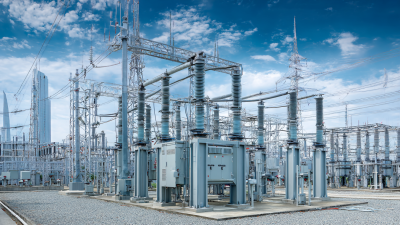
As the world keeps craving more reliable and efficient energy systems, the importance of Electric Power Distribution in smart grid setups is really becoming a big deal. I mean, the International Energy Agency says that global electricity demand is expected to jump by around 30% by 2040. That’s a huge leap, and it clearly calls for smarter distribution methods to keep everything running smoothly — especially with more renewable sources coming into play.
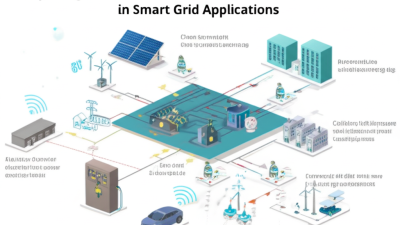
Jiangxi Guoxiang Electric Power Equipment Co., Ltd., which is a high-tech company that started back in2016, is actually leading the charge in this whole transition. They offer end-to-end solutions — from research and development, to manufacturing, sales, and engineering services — all geared toward making power distribution more innovative. When companies use advanced tech in Electric Power Distribution, they can seriously boost grid reliability, run more efficiently, and support a shift toward greener practices. So, the future of smart grids—powered by solid distribution systems—is not just about tackling current energy issues but also about building a more resilient and smarter energy landscape down the road.
Benefits of Electric Power Distribution in Smart Grids: An Overview of Efficiency and Sustainability
You know, when we talk about integrating electric power distribution into smart grids, it’s pretty clear they bring some pretty amazing benefits—mostly when it comes to efficiency and going greener. These smart grids use cool tech like smart meters, sensors, and data analytics to make sure energy gets distributed in the smartest way possible. They help cut down on energy losses and boost the reliability of power supply. Plus, since they track real-time data, utility companies can spot problems early on and fix them before things get worse, which means fewer outages and a smoother overall system.
And let’s not forget the real sustainability perks here. Smart grids make it easier to include renewable energy sources, like solar panels and wind turbines, into the mix. That’s a game-changer because it cuts down on greenhouse gas emissions and makes us a bit more energy independent. These grids also help manage how energy is used during busy times, making renewable sources more dependable and viable long-term. All in all, by improving how we distribute power, smart grids are helping us move toward a cleaner, more sustainable energy future—good for the planet and for the economy too.
Key Parameters for Selecting High-Quality Electric Power Distribution Manufacturers
In today’s world of smart grid tech, picking the right electric power distribution manufacturers is super important if you want things to run smoothly and reliably. When shopping around, it’s good to look at how much experience they’ve got and how skilled they are technically. Companies with a solid track record usually bring innovative solutions to the table—especially when it comes to stuff like advanced metering and building a smarter, more resilient grid.
And don’t forget, a really good manufacturer should back up their products with solid after-sales support. That means offering ongoing maintenance and quick troubleshooting help so your system stays in tip-top shape. Also, it’s worth checking if they follow safety standards and hold the right certifications, which shows they’re serious about quality and staying compliant. All these things are crucial for ensuring the systems last long and work safely in the smart grid environment. If you keep these factors in mind, you’ll be better equipped to make decisions that really boost the overall performance of your power distribution setup.
Comparison of Leading Electric Power Distribution Solutions in Smart Grid Applications
These days, with how fast the energy world is changing, comparing the top electric power distribution solutions is more important than ever if you want your smart grid to run smoothly. Smart grids are using some pretty advanced tech these days to make energy delivery more efficient, reliable, and eco-friendly. Companies in this space are always coming up with new ideas, tailoring their solutions to fit everything from bustling cities to quiet rural areas. Big names like Siemens, Schneider Electric, and GE really stand out—they each bring something unique to the table, like better monitoring, integrating renewable energy sources, or catching faults before they become a problem.
When you’re trying to pick the right system, there are a few things to keep in mind—stuff like whether it can grow with your needs, how well it plays with other tech, and if it’s worth the cost. For example, Siemens’ digital grid solutions are all about smooth data integration, so utilities can get ahead of issues and respond faster. On the other hand, Schneider Electric really focuses on energy management and helping people use power smarter, giving tools that make it easier for consumers to cut down on waste. GE mixes hardware with clever software analytics, giving a full picture of what's happening across the grid. By looking at all these options, utility companies can find the perfect fit—something that not only boosts how they run things but also helps us move toward a more resilient, greener energy future.
Comparison of Electric Power Distribution Solutions in Smart Grid Applications
This chart illustrates the performance comparison of different electric power distribution solutions in smart grid applications, focusing on efficiency, reliability, and scalability metrics.
Case Studies: Successful Implementation of Electric Distribution in Smart Grids
Lately, there’s been a real push towards integrating electric power distribution into smart grids, and honestly, it’s pretty exciting seeing how effective these systems can be. I came across a report from the International Energy Agency (IEA) that says the global smart grid market could hit around $400 billion by 2026—that’s a huge number! The main driver behind this boom? People really want more reliable and efficient energy distribution. Who doesn’t, right?
Take San Diego, California, for example—there, they rolled out some pretty advanced electric distribution tech. The results? Outages dropped by about 20%, and operational costs went down by 15%. Pretty impressive! Thanks to real-time data analytics and automated systems, utilities can better manage electricity, quickly spot faults, and respond faster if something goes wrong. Plus, a study from the U.S. Department of Energy mentions that adopting smart grid tech can help increase renewable energy use by up to 30%, which is great for sustainability and keeping our power stable.
And it’s not just across the pond—European countries are also making moves. Germany’s Energiewende, for instance, shows how smart grids can really boost renewable energy handling. They’ve managed to cut greenhouse gas emissions by around 40%, which is a huge win for the environment. All these examples really show just how powerful electric distribution tech can be and how vital it’s becoming as part of the broader energy transition worldwide.
Exploring the Benefits of Best Electric Power Distribution in Smart Grid Applications - Case Studies: Successful Implementation of Electric Distribution in Smart Grids
| Case Study | Location | Year of Implementation | Key Benefits | Challenges Faced |
| Smart Grid Revamp | City A | 2020 | Reduced outages, increased efficiency | Initial resistance from local community |
| Renewable Integration | City B | 2019 | Enhanced grid flexibility, lower carbon footprint | Integration with existing infrastructure |
| Smart Meter Deployment | City C | 2021 | Improved customer engagement, real-time data | Data privacy concerns |
| Grid Automation | City D | 2022 | Operational efficiency, cost savings | High initial investment |
Impact of Smart Grids on Renewable Energy Integration and Power Distribution
As the world moves more and more toward a digital energy landscape, smart grids are really starting to play a huge role. They’re key in connecting renewable energy sources and making power distribution smoother and smarter. Basically, smart grids enable different parts of the energy system to talk to each other in real-time, which helps in managing energy flows more efficiently. This shift to digital tech also means utilities can quickly respond to changes in supply and demand — which is a big deal, especially when dealing with unpredictable renewables like wind and solar.
On top of that, the integration of cutting-edge tech like artificial intelligence is seriously changing the game when it comes to how we deploy renewables and run the grid. AI can help predict how much energy will be generated, make energy use more efficient, and improve the overall reliability of the grid. All of this means that investments in smart grid tech are expected to skyrocket — with a lot of growth forecasted in areas like Transformers, low-voltage circuit breakers, and modular substations through 2034. These advancements aren't just about making things more efficient; they’re also a big step toward building a more sustainable, green energy future.
Evaluating Industry Standards and Compliance for Electric Power Distribution Solutions
So, as the world of electric power distribution keeps evolving, really understanding the industry standards and making sure you're in compliance is a big deal—especially when we're talking about smart grid applications. You know how energy systems are getting more complex? Well, sticking to established standards helps everything work smoothly together and keeps the systems resilient against cyber threats. Since digital tech is becoming a huge part of electric power distribution, having solid security measures and compliance frameworks isn’t just a bonus—it’s essential for fostering both innovation and safety.
On top of that, the growing market for these distribution solutions indicates a clear shift towards smarter tech that focuses on being efficient and reliable. Following industry compliance isn’t just about avoiding issues; it actually boosts consumer confidence in new, often cutting-edge tech. Plus, with the electric power sector expected to grow, and more testing, inspection, and certification happening, it shows a real commitment to high standards that support sustainable development. As we gear up for smarter grids, sticking to these standards is more important than ever for navigating regulations and making sure energy delivery stays safe and efficient.
Maximize Your Outdoor Spaces: The Ultimate Guide to Using the JP Outdoor Integrated Distribution Box
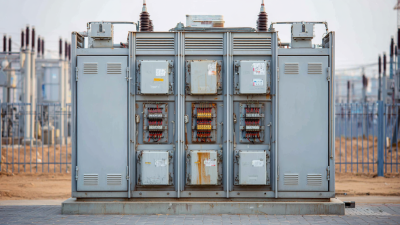
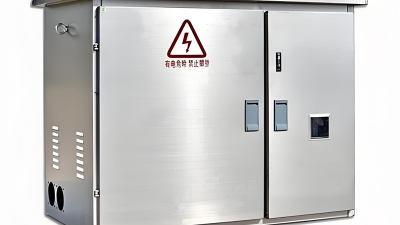
Maximizing your outdoor spaces requires thoughtful integration of efficient power solutions, and the JP Outdoor Integrated Distribution Box stands out as a prime candidate for enhancing both functionality and aesthetics. This innovative device is designed to meet a variety of outdoor electrical needs, making it an essential asset for any outdoor project. It not only integrates metering and outgoing lines but also offers reactive power compensation, ensuring that your outdoor electrical systems operate smoothly and reliably.
One of the key benefits of the JP outdoor distribution cabinet is its robust safety features. With built-in protection against short circuits, overloads, overvoltage, and leakage, you can rest assured that your outdoor setup is safe and secure. Its compact and aesthetically pleasing design allows for seamless installation on poles or next to outdoor pad-mounted transformers, making it a perfect solution for urban and rural power grid renovations. With this advanced power distribution unit, you can maximize the utility of your outdoor spaces while maintaining a neat and modern appearance.
FAQS
: The primary benefits include enhanced efficiency, reduced losses, improved reliability of power delivery, and the incorporation of renewable energy sources, contributing to sustainability.
Smart grids utilize advanced technologies like smart meters, sensors, and data analytics to monitor real-time data, identify issues proactively, and enhance the overall efficiency of power distribution systems.
Smart grids facilitate the integration of renewable energy sources, such as solar and wind, into the energy mix, helping to reduce greenhouse gas emissions and promoting energy independence.
A notable example is San Diego, California, where smart grid technologies led to a 20% reduction in outage duration and a 15% decrease in operational costs through improved electricity flow management.
The global smart grid market is projected to reach $400 billion by 2026, driven by the demand for enhanced reliability, efficiency in energy distribution, and the adoption of smart technologies.
Industry compliance ensures interoperability, resilience against cybersecurity threats, enhances consumer trust in technologies, and maintains high standards necessary for safe and efficient energy services.
By optimizing distribution processes and enhancing the reliability of renewable energy sources, smart grids contribute to a cleaner energy future, supporting environmental goals and economic growth.
Germany's Energiewende initiative has shown a 40% reduction in greenhouse gas emissions due to the effective management of renewable sources through smart distribution.
Data analytics in smart grids allows utilities to better manage electricity flow, detect faults, and respond swiftly to disruptions, enhancing overall system reliability.
The integration presents challenges like the need for robust security measures, compliance frameworks, and ensuring that digital solutions do not compromise the infrastructure's safety.