inquiry
Inquiry
Form loading...
0%

Looking ahead to 2026, the demand for safer, quieter, and more reliable 11kV distribution networks is really picking up. That’s where an 11kV three-phase oil-immersed Distribution Transformer comes into play — it’s perfect for powering industrial plants, commercial buildings, renewable energy sites, and rural feeders. The three-phase design helps spread out the electrical load evenly across the circuits, which just makes everything run smoother. Plus, the oil insulation is great at managing heat during those continuous, non-stop operations.

In this guide, we’re going to take a closer look at the top types of 11kv Transformers you’ll find for modern distribution setups. We’ll talk about things like capacity ratings, vector groups, cooling methods, tap-changer designs, enclosure quality, and installation conditions. But honestly, the real key to picking the right transformer isn’t just the specs listed in the catalog — it’s understanding your load profile. Before placing an order, engineers should double-check on stuff like short-circuit strength, altitude, ambient temperature, and local grid requirements. Routine factory tests — like checking for oil leaks, measuring insulation, and testing temperature rise — are super important to ensure everything’s up to standard. And don’t forget, real-world experience counts a lot. A transformer might pass all lab tests, but problems can still pop up if the cable terminations are poor or maintenance gets neglected.

Of course, no transformer is perfect. Oil quality can degrade over time, and some accessories might slip through the cracks. This guide also points out theselimitations and highlights when design assumptions may need a second look. By the way, that phrase about “single-phase oil-immersed transformers” belongs to a different product chat, but it’s worth noting because choosing the right transformer really depends on your system’s setup. Reliable manufacturers will provide clear diagrams, test certificates, service advice, and traceable technical data. When shopping around, don’t just go for the flashy claims — compare verified performance data instead. With thoughtful specifications and careful commissioning, a solid 11kV three-phase oil-immersed transformer can give you stable service, manageable losses, and many years of dependable operation.
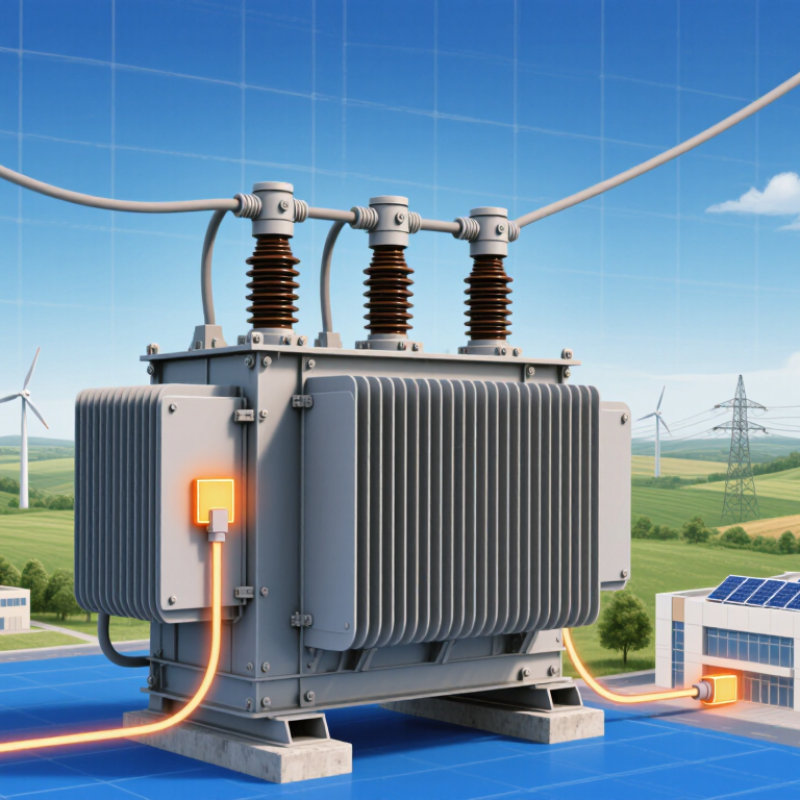
2026 Top 11kV 3 Phase Oil Immersed Transformer Types

Definition and Purpose of 11kV Three-Phase Oil-Immersed Transformers

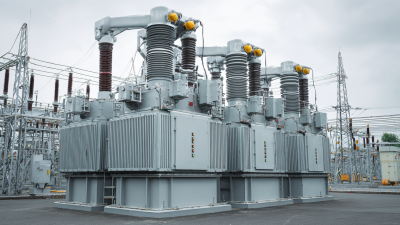
An 11kV three-phase oil-immersed transformer transfers electrical energy between medium-voltage networks and usable distribution voltages. It contains three windings, a magnetic core, and insulating oil inside a sealed or conservator tank. The oil removes heat and strengthens insulation around energized parts.

Its purpose is practical: reduce voltage safely for factories, commercial buildings, farms, and local grids. Common designs include ONAN units, which use natural oil and air circulation, and ONAF units, which add fans for higher loading. Some projects use sealed tanks to reduce moisture entry. Others choose conservator tanks for visible oil-level monitoring. IEC 60076 defines key requirements for transformer design, testing, insulation, and temperature rise.

Demand is becoming harder to ignore. The International Energy Agency’s Electricity 2024 report expects global electricity consumption to grow by more than 3% annually through 2026. Each new feeder, charging site, or renewable connection may require additional transformer capacity. The U.S. Department of Energy’s Electric Grid Supply Chain Review also reported long procurement periods for distribution equipment, sometimes extending beyond one year. That detail matters during planning.

Field reliability depends on more than nameplate capacity. Technicians should inspect oil temperature, bushings, gaskets, earthing, and dissolved-gas results. A transformer can look clean outside and still contain developing faults. Designers sometimes oversize units, but this raises cost and idle losses. The better choice depends on load patterns, ambient temperature, maintenance access, and future expansion—not only the 11kV rating.

2026 Top 11kV 3 Phase Oil Immersed Transformer Types

Definition and Purpose of 11kV Three-Phase Oil-Immersed Transformers

An 11kV three-phase oil-immersed transformer is a static electrical device that transfers three-phase power between voltage levels while maintaining the same frequency. The 11kV winding is commonly used on medium-voltage distribution networks, while the low-voltage winding may supply systems such as 400/415V industrial or commercial loads.

The chart presents commonly used IEC preferred apparent-power ratings for distribution and utility transformers. Mineral insulating oil provides electrical insulation and transfers heat from the windings and core to the tank and cooling surfaces. Most distribution units use ONAN cooling, meaning Oil Natural Air Natural circulation.

Core Components and Operating Principles

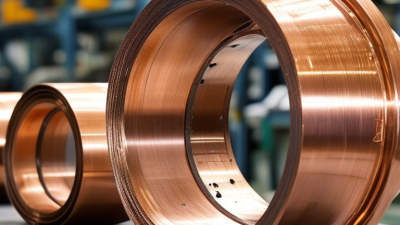
An 11kV three-phase oil-immersed transformer transfers electrical energy through electromagnetic induction. Its main components include a laminated magnetic core, copper or aluminium windings, mineral oil, an insulated tank, bushings, and a tap changer. The core guides magnetic flux, while the windings convert voltage levels with controlled losses. IEC 60076 defines key requirements for transformer insulation, temperature rise, testing, and performance.

Oil performs two jobs.
It insulates live parts and carries heat toward the tank walls or radiators. Many 11kV units use ONAN cooling, meaning oil circulates naturally and air removes heat naturally. Larger installations may use ONAF cooling, with fans supporting radiator airflow. Conservator-type designs allow oil expansion through a tank, breather, and relay. Sealed designs reduce moisture entry, but pressure protection becomes more important. Small details matter.

The U.S. Department of Energy’s Distribution Transformer Technical Support Document estimates transformer losses represent about 2.5% of national electricity use. That figure explains why core steel quality, winding resistance, and load selection deserve careful review. Common 11kV types include sealed, conservator, dual-voltage, and tap-changing models. On site, technicians inspect oil temperature, leaks, bushing condition, and dissolved gases.

A practical warning remains: a larger transformer is not automatically better. Oversizing can increase no-load losses, while undersizing raises thermal stress. Even experienced designers can misjudge future load growth.

Main 11kV Transformer Types and Their Structural Differences

2026 Top 11kV 3 Phase Oil Immersed Transformer Types

An 11kV three-phase oil-immersed transformer uses mineral oil or approved insulating fluid for cooling and insulation. Its internal arrangement directly affects efficiency, maintenance, and fault response. The core-type design places windings around separate magnetic limbs. It is common for distribution duties. The shell-type design surrounds the windings with the magnetic circuit. It can offer stronger mechanical support during short-circuit stress.

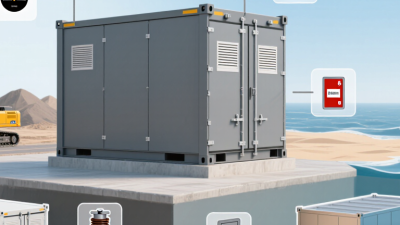
Conventional units use a conservator tank, breather, radiator panels, and a top-mounted oil level indicator. Oil expands into the conservator as temperature rises. Sealed-tank designs remove the conservator and limit moisture entry. They need careful pressure-relief protection. An 11Kv Oil Immersed Power Transformer for Outdoor Use often includes a weather-resistant enclosure, cable boxes, surge arresters, and a raised base. These details matter in dusty yards and coastal locations.

Cooling may use natural oil circulation and natural air circulation, known as ONAN. Larger ratings can add forced air or forced oil systems. The winding connection also changes performance. A delta primary and star secondary can support system grounding requirements, depending on the network design. Field inspections often reveal overlooked issues, such as blocked radiators or loose bushing connections. Small defects grow quickly. Engineers should verify clearances, earthing, oil temperature, and noise levels against the project standard. A perfect drawing does not guarantee a reliable installation.

Key Performance Ratings and Technical Specifications

2026 Top 11kV 3 Phase Oil Immersed Transformer Types

An 11kV Outdoor Oil Immersed Power Transformer is commonly selected by kVA demand, installation conditions, and future load growth. Typical ratings range from 50 kVA to 2,500 kVA for distribution networks. Larger projects may require higher capacities. The low-voltage side is often rated at 400V or 415V, with 50Hz operation. Dyn11 vector grouping supports many commercial and industrial systems. It also helps manage phase displacement during parallel operation.

Oil-immersed units generally use ONAN cooling, meaning natural oil circulation and natural air cooling. Typical impedance values range from 4% to 6%. Lower impedance can improve voltage regulation, but it may increase fault current. Common tap arrangements include ±2 × 2.5% off-circuit adjustment. Insulation levels should be checked carefully, such as 28kV power-frequency withstand and 75kV lightning impulse withstand on the 11kV winding. These figures must match the network design.

Field inspection should include oil leakage, bushing condition, earthing continuity, and thermometer accuracy. Small details matter. IEC 60076 testing can verify losses, temperature rise, ratio, winding resistance, and dielectric performance. No single rating tells the whole story. A transformer with low purchase cost may produce higher lifetime losses. I have also seen neatly written specifications omit altitude, ambient temperature, or short-circuit duration. That omission deserves review before procurement.

Insulation, Cooling, and Oil Management Systems

An 11kV Oil Immersed Transformer depends on three linked systems: insulation, cooling, and oil management. In field inspections, these systems rarely fail separately. Cellulose insulation absorbs moisture, while overheated oil accelerates ageing. Small details matter. A clean breather, sealed gasket, and correct oil level can prevent costly interruptions. Mineral insulating oil provides electrical separation and transfers heat from windings to the tank walls. Its performance changes with temperature, contamination, and loading history.

For a three-phase unit, cooling design should match the installation profile. ONAN cooling uses natural oil circulation and air movement, making it simple and quiet. Larger or heavily loaded transformers may require forced air or directed oil flow. Radiator fins need clear airflow; dust and paint buildup reduce heat rejection. During commissioning, technicians should record winding temperature, ambient temperature, and load current. Comparing these readings over time is more useful than trusting one normal-looking value. Testing should follow applicable electrical standards and qualified laboratory procedures.

Oil management starts with sampling, not guesswork. Test dielectric strength, moisture, acidity, and dissolved gases at defined intervals. A dark sample is not automatically dangerous, but an unexplained trend deserves investigation. Leaks around valves and flanges should be corrected quickly. Yet replacing oil without finding the cause can hide a developing seal or thermal problem. Maintenance schedules often assume stable loads. That assumption can fail. Modern networks are less predictable, so inspection intervals may need adjustment after repeated overloads or seasonal peaks.

Selection Criteria for 2026 Electrical Power Applications

Selecting an 11kV three-phase oil-immersed transformer in 2026 requires more than comparing nameplate capacity. The application determines the design. For compact urban substations, sealed-tank ONAN units can reduce maintenance exposure. For variable industrial loads, ONAF cooling may manage short-term peaks, but fan controls need dependable backup. Conservator designs provide inspection access, while breathing systems demand careful moisture management. Fit matters.

The IEA estimates that 80 million kilometres of grids need refurbishment or expansion by 2040. Source: IEA, Grids and Secure Energy Transitions, 2023. The report also indicates that annual grid investment must exceed 600 billion dollars by 2030. These figures make lifecycle efficiency and serviceability practical selection criteria. Specify low-loss cores, verified impedance, suitable insulation levels, and accessories matched to local fault duties. IEC 60076 testing should support thermal, dielectric, and short-circuit performance claims. A brochure is not evidence.

In humid sites, inspect oil sealing, gasket compatibility, and corrosion protection before approval. In cold climates, confirm oil viscosity, starting current, and emergency loading behavior. Field engineers should compare measured load curves with the proposed rating, not rely on one peak reading. The U.S. Department of Energy’s Distribution Transformer Technical Support Document estimates that distribution transformer losses represent about 2.5% of U.S. electricity consumption. That estimate deserves scrutiny. Higher purchase cost may be justified, but only after using local tariffs and operating hours. Explore our high-quality 11kV oil immersed transformers for tested configurations, documented materials, and application-focused technical review.

2026 Top 11kV 3 Phase Oil Immersed Transformer Types - Selection Criteria for 2026 Electrical Power Applications
Type / Configuration Typical Rating Range High-Voltage Side Low-Voltage Side Cooling Method Typical Vector Group Typical Impedance Tap Arrangement Recommended Application Main Selection Criteria
Hermetically Sealed Distribution Transformer 50–2,500 kVA 11 kV, 3-phase, 50/60 Hz 400/230 V or 415/240 V ONAN; sealed oil tank with corrugated or radiating walls Dyn11 or Dyn5 Typically 4–6% Off-circuit tap changer, commonly ±2 × 2.5% Urban distribution, commercial buildings, renewable-energy collection points and industrial substations Choose where low maintenance, reduced moisture ingress and compact installation are priorities. Verify tank pressure, oil expansion, temperature rise and enclosure protection.
Conservator-Type Distribution Transformer 100–5,000 kVA 11 kV, 3-phase, 50/60 Hz 400/230 V, 415/240 V or 690 V ONAN with conservator, breather and oil-level indicator Dyn11, Dyn5 or manufacturer-approved equivalent Typically 4–7% Off-circuit tap changer; OLTC available for larger units Utility substations, factories, water treatment plants and general medium-voltage distribution Suitable for installations requiring visible oil expansion control and conventional inspection access. Consider breather maintenance and available headroom.
High-Efficiency Low-Loss Distribution Transformer 100–2,500 kVA 11 kV, 3-phase 400/230 V or 415/240 V ONAN Dyn11 or Dyn5 Typically 4–6% Off-circuit tap changer, commonly ±2 × 2.5% Transformers with high annual loading, data centers, hospitals, campuses and energy-conscious facilities Compare no-load loss, load loss, sound level, temperature rise and total cost of ownership rather than purchase price alone. Confirm the applicable local efficiency requirements.
Industrial Plant Transformer 1,000–10,000 kVA 11 kV, 3-phase 3.3 kV, 6.6 kV, 400/415 V or 690 V ONAN or ONAF Dyn11, Dyn1, YNd11 or project-specific group Typically 6–10% Off-circuit tap changer; OLTC when voltage regulation is required Manufacturing plants, process industries, motor loads and large low-voltage switchboards Check motor-starting voltage drop, harmonic currents, short-circuit withstand, inrush effects, continuous loading and coordination with protection equipment.
ONAF Forced-Air Transformer 2,500–20,000 kVA 11 kV, 3-phase 3.3 kV, 6.6 kV, 10.5 kV or low voltage ONAN/ONAF; fan-assisted radiators Dyn11, YNd11 or specified system vector group Typically 7.5–12.5% Off-circuit or on-load tap changer Large substations where compact dimensions or additional emergency/peak capacity are needed Confirm fan redundancy, automatic temperature control, auxiliary power availability, acoustic limits and the natural-cooling rating if fans are unavailable.
Dual-Secondary Transformer 500–5,000 kVA 11 kV, 3-phase Two separate 400/415 V or 690 V secondary windings ONAN or ONAF Usually Dyn11/Dyn11 or a project-specific arrangement Typically 5–8% per secondary winding Off-circuit tap changer; OLTC for voltage-sensitive systems Dual incomers, critical facilities, segregated loads and systems requiring secondary redundancy Verify winding separation, phase displacement, permissible parallel operation, neutral arrangements and independent protection for each secondary.
Three-Winding Oil-Immersed Transformer 2,500–25,000 kVA 11 kV, 3-phase Medium-voltage auxiliary winding plus LV or tertiary winding ONAN or ONAF YNyn0, YNd11 or project-specific vector group Typically 8–15%, subject to pairwise winding impedance Off-circuit or on-load tap changer on the specified winding Substations supplying multiple voltage levels, auxiliary systems and industrial networks Require pairwise impedance data, zero-sequence characteristics, neutral grounding design, fault-current calculations and thermal loading studies.
Generator Step-Up Oil-Immersed Transformer 5–30 MVA 11 kV or generator voltage, 3-phase 33 kV, 66 kV or another transmission/distribution voltage ONAN, ONAF or OFAF depending on rating YNd11, Dyn11 or system-specific arrangement Typically 8–14% Off-circuit tap changer; OLTC where grid voltage regulation is required Solar, wind, hydro, combined-heat-and-power and other embedded-generation substations Assess generator fault contribution, harmonics from power converters, energization strategy, grid-code voltage control, fire protection and environmental conditions.
Renewable-Energy Collector Transformer 1,000–6,300 kVA 11 kV, 3-phase 690 V, 800 V, 1,000 V or inverter-specific voltage ONAN or ONAF Dyn11, Dyn1 or inverter-system-specific group Typically 6–10% Off-circuit tap changer; OLTC for centralized voltage control Solar farms, wind farms, battery-energy-storage systems and inverter-based generation Check converter harmonics, rapid load variation, reverse power flow, high ambient temperature, altitude, DC-related effects and required grid-code performance.
Substation Power Transformer with OLTC 5–40 MVA 11 kV, 3-phase 33 kV, 66 kV or another medium/high-voltage level ONAN/ONAF or ONAF/OFAF YNyn0, YNd11 or utility-specified group Typically 10–18% On-load tap changer, commonly ±8 × 1.25% or project-specific Primary substations, utility networks and industrial networks requiring automatic voltage regulation Evaluate tap range, step voltage, through-fault duty, OLTC service life, control-panel compatibility, parallel-transformer operation and voltage-regulation requirements.
Special-Duty High-Temperature-Rise Transformer 500–10,000 kVA 11 kV, 3-phase 400/415 V, 690 V or medium voltage ONAN or ONAF with enhanced thermal design Dyn11, Dyn5 or application-specific group Typically 5–10% Off-circuit tap changer; OLTC available for larger units Hot climates, high-altitude sites, intermittent overload duty and facilities with demanding load cycles Specify ambient temperature, altitude, solar radiation, overload profile, allowable winding/oil temperature rise, cooling margin and service-duty requirements.
General specification note: All ratings, impedance values, vector groups and tap ranges shown are typical engineering ranges for preliminary selection, not universal requirements. Final procurement specifications should be verified against the applicable IEC 60076 series, local grid rules, installation conditions, short-circuit levels, efficiency regulations, fire-safety requirements and the transformer manufacturer's guaranteed data.

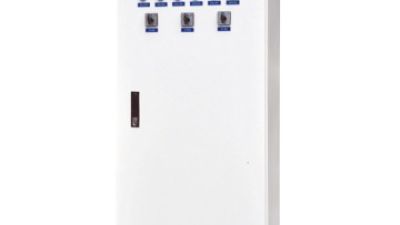
XL-21 Power Distribution Panel: A Practical Guide to Reliable Power Management

Reliable power management is becoming more important as industrial electricity use continues to rise. The International Energy Agency’s *Electricity 2024* report projects global electricity demand to grow by an average of about 3.4% annually from 2024 to 2026. In this environment, a low-voltage distribution panel must support safe switching, clear status monitoring, and efficient maintenance. The XL-21 power distribution panel is designed for three-phase AC systems below 500 V, serving motive and lighting loads in power plants and industrial facilities. Its indoor, wall-mounted structure supports front operation and maintenance, helping reduce installation space and service time.

Built with a fully enclosed C-profile or 8MF-profile frame, the panel combines practical protection with a compact appearance. A rotary load-disconnector switch enables controlled on-load operation, while front-mounted voltage and current meters, signal lights, push buttons, and control switches provide direct operating visibility. These features support faster fault identification and routine inspections without requiring rear access. The panel also offers three-wire, four-wire, and five-wire configurations, allowing engineers to match the wiring arrangement to the site’s distribution design. Multiple circuit layouts and compact internal components further simplify installation, upgrades, and maintenance planning, provided that selection, testing, and commissioning follow applicable electrical standards and site requirements.

FAQS

What does an 11kV three-phase oil-immersed transformer do?

It transfers electrical energy through electromagnetic induction. The windings raise or lower voltage for distribution. In simple terms, voltage changes here.

What are the main components of this transformer?

Key parts include a laminated magnetic core, copper or aluminium windings, mineral oil, an insulated tank, bushings, and a tap changer. Each part has a specific duty.

How does transformer oil support operation?

Mineral oil insulates live parts and carries heat toward the tank or radiators. In ONAN cooling, oil and air circulate naturally. Larger units may use fans.

What is the difference between ONAN and ONAF cooling?

ONAN uses natural oil circulation and natural air movement. ONAF adds fans to improve radiator airflow during heavier loading. Fans need reliable controls and backup.

Should a transformer be oversized for future demand?

Not automatically. Oversizing can increase no-load losses, while undersizing may create thermal stress. Compare measured load curves with expected growth. One peak reading can mislead.

Which transformer features matter in a compact urban substation?

A sealed-tank ONAN design can reduce maintenance exposure. Check installation space, ventilation, cable access, and pressure protection. Small clearances become large problems later.

What should engineers check in humid or cold locations?

Humid sites need compatible gaskets, strong sealing, and corrosion protection. Cold sites require suitable oil viscosity and acceptable starting performance. Local weather can defeat a generic specification.

How can buyers judge transformer efficiency and quality?

Review core losses, winding resistance, impedance, insulation levels, and thermal performance. Request documented IEC 60076 test results. A brochure is not evidence.

What maintenance checks are important after installation?

Inspect oil temperature, leaks, bushings, connections, and dissolved gases. Conservator designs also need breather checks. Sealed units reduce moisture entry, but pressure protection matters more.

Is the purchase price the best way to compare transformers?

No. Consider losses, operating hours, electricity tariffs, maintenance, and expected loading. A higher price may be justified. Maybe not, without local calculations.

Conclusion

The 2026 guide to 11kV three-phase oil-immersed transformers explains how these units transfer and distribute electrical energy safely and efficiently in medium-voltage power systems. An 11kv 3 phase oil immersed distribution transformer uses a magnetic core, high- and low-voltage windings, insulating oil, a tank, bushings, and protective accessories to convert voltage through electromagnetic induction. The article compares key transformer types, including differences in winding arrangements, tank construction, tap-changing methods, and installation configurations.

It also outlines essential ratings such as capacity, voltage ratio, frequency, impedance, temperature rise, and insulation level. Special attention is given to oil circulation, cooling methods, moisture control, sealing, and routine oil management because these factors strongly influence service life and reliability. For 2026 applications, selecting the right transformer requires evaluating load characteristics, environmental conditions, operating safety, maintenance requirements, energy efficiency, fault protection, and future expansion needs. Proper technical matching helps ensure stable performance, reduced losses, and dependable three-phase power distribution.
Ethan

Ethan

Ethan is a seasoned marketing professional at Jiangxi GUOXIANG Electric Power Equipment Co., Ltd., a national high-tech enterprise founded in 2016 and based in Jiangxi Province. With a profound expertise in integrated power solutions, Ethan plays a crucial role in bridging the gap between our......
Previous China Top 10 22kV Oil Immersed Power Transformer Suppliers?