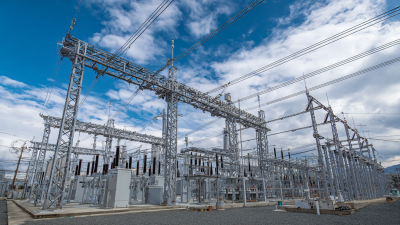
The future of Electric Power Substations is really changing quite a lot these days. I came across a report from Fortune Business Insights that says the global market for these substations is expected to hit around $26.7 billion by 2026. A big part of this growth is driven by the skyrocketing energy needs and some pretty exciting tech innovations. We're talking about improvements in automation, digital tools, and a push toward more sustainable solutions that are really shaking up how these substations operate. Companies like Siemens and ABB are leading the charge with cool stuff like smart grid tech and high-tech monitoring systems, making everything more efficient and reliable.
That said, it’s not all smooth sailing. There are still quite a few hurdles to jump. For example, integrating renewable energy sources into the current infrastructure isn’t exactly a walk in the park. According to the International Energy Agency, by 2025, more than 80% of electricity supply will need upgrades in its substations. And with cyber threats becoming more frequent and serious, safeguarding these critical sites is more important than ever.
All in all, the industry really has to rethink some of its approaches while also jumping on new tech. Continuous research and development are key here—not just to get past the current barriers but to make sure these substations can handle future demands and stay resilient in a world that’s constantly changing.
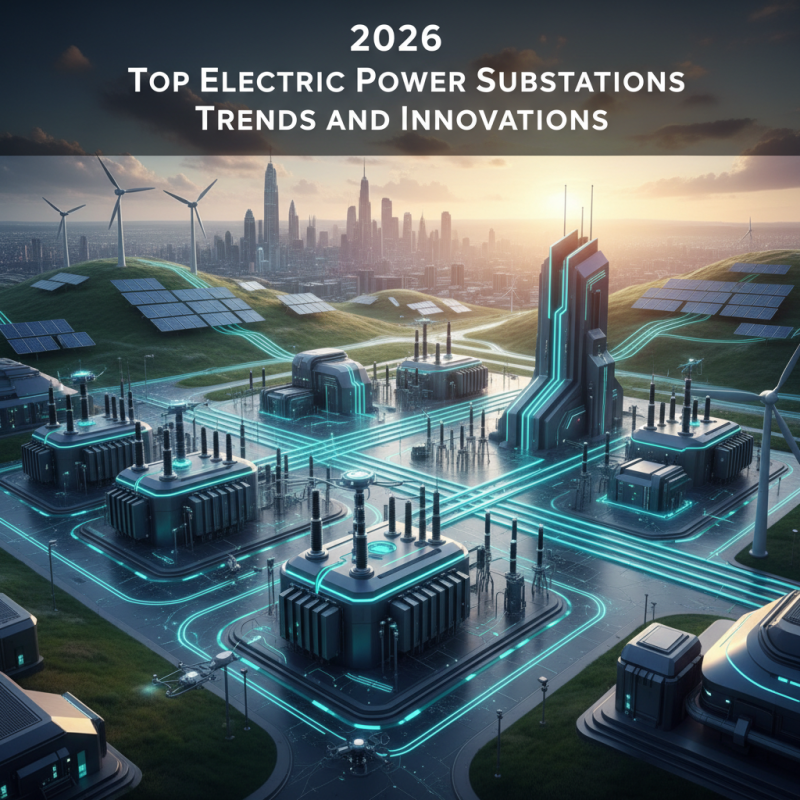
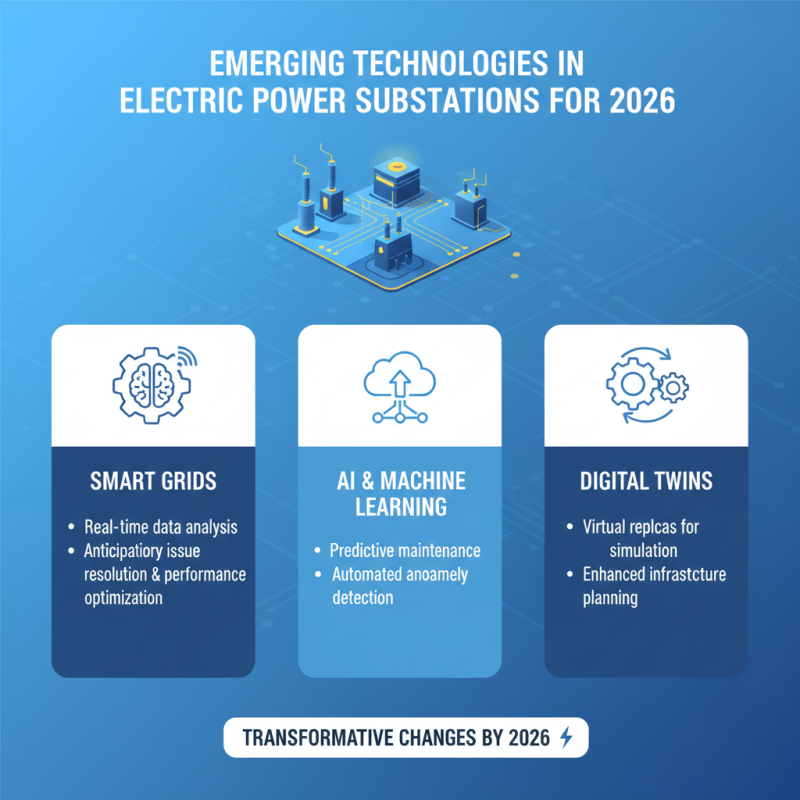
The electric power sector is on the brink of transformative changes by 2026. Emerging technologies are set to revolutionize electric power substations. Smart grids are becoming more common. They allow for real-time data analysis. This helps in anticipating issues and optimizing performance.
Energy storage solutions are also gaining traction. Advanced batteries can store excess energy efficiently. They reduce wastage and enhance reliability. Transformers And Substations will play a vital role in integrating these technologies. However, their implementation isn't without challenges. Many facilities may struggle to upgrade or adapt to new systems.
Tips: Consider investing in training for staff. Knowledge about new technologies is crucial. Regular maintenance checks can prevent future issues. Stay informed about advancements to remain competitive in the industry. Collaboration among stakeholders will enable smoother transitions to these new technologies.
The evolution of electric power substations is heavily influenced by advancements in automation and control systems. Enhanced automation plays a vital role in improving operational efficiency. Smart sensors and advanced software provide real-time data for monitoring equipment. This allows for swift decision-making and reduces the risk of human error during critical operations.
Control systems are becoming more sophisticated. They help utility companies manage the electrical grid in a more integrated manner. These systems support predictive maintenance. They identify potential issues before they escalate into major problems. However, there is still a challenge in ensuring data security and system reliability. As automation increases, so does the vulnerability to cyber threats.
Improving Electric Power Distribution while investing in automation is essential. It is important to balance technological upgrades with employee training. Workers need to adapt to new systems and processes. This includes understanding data analytics and remote operation protocols. The future of substations will be shaped by how well we embrace these changes and address the challenges they bring.
The integration of renewable energy sources into substation operations is gaining momentum. This shift is crucial as the world moves toward more sustainable energy practices. Solar, wind, and hydroelectric power can significantly reduce greenhouse gas emissions when incorporated into substations. However, this integration comes with its own set of challenges.
One major challenge is the fluctuating nature of renewable energy. Unlike traditional sources, renewables do not provide a constant flow of power. This inconsistency can lead to operational difficulties in substations. Balancing supply and demand becomes more complicated. Operators must develop strategies to manage these variations effectively.
Tips: Consider investing in Energy Storage Systems. They can help buffer the intermittency of renewables. Also, explore smart grid technologies for better load management.
Moreover, the need for skilled personnel has increased. Employees must understand both traditional Power Systems and renewable technologies. Training becomes essential to maintain reliability and safety. Awareness and adaptability are vital in this evolving landscape.
Tips: Encourage ongoing education and certification for staff. This will foster a culture of innovation and skill enhancement. Consider collaboration with educational institutions for advanced training programs.
Innovations in substation monitoring and diagnostics technologies are reshaping the electric power landscape. Real-time data analytics now play a crucial role. Sensors installed across substations provide continuous streams of information. This data helps to detect potential issues before they escalate. Predictive maintenance is becoming a norm, reducing downtime and improving reliability.
These advancements come with challenges. Data overload can complicate decision-making. Utilities must invest in advanced software to interpret this data effectively. Cybersecurity concerns also arise. Protecting sensitive information is paramount as networks become increasingly interconnected.
User-friendly dashboards allow operators to visualize and respond to real-time conditions. Training for staff is vital. Employees must adapt to new technologies and workflows. While these innovations enhance efficiency, they also require a shift in mindset. Embracing change is essential for the future of substations. The evolution in monitoring technologies is not just about efficiency; it’s about resilience and sustainability in the electrical grid.
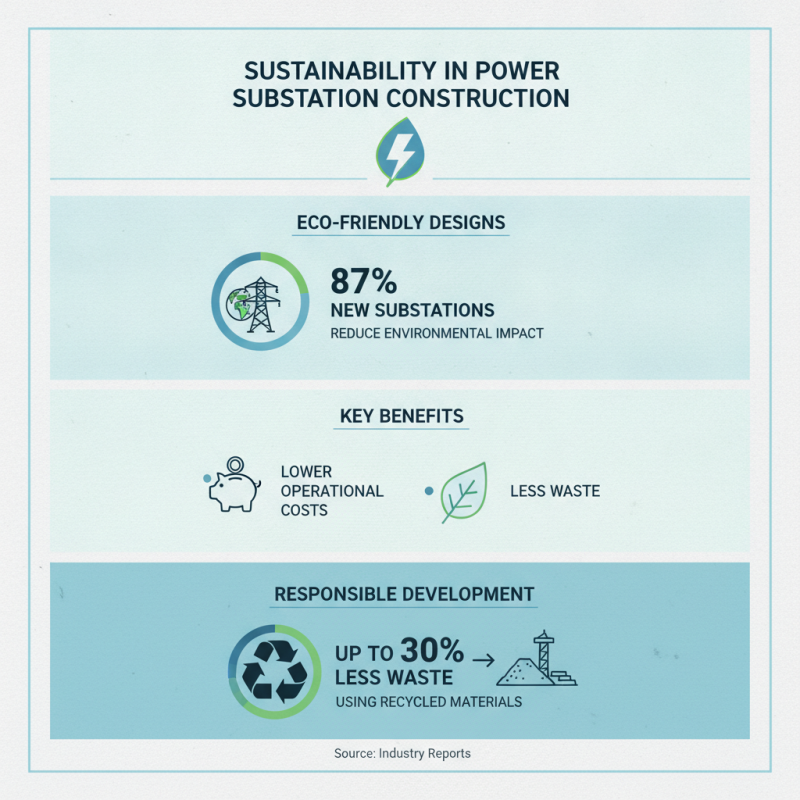
The construction of electric power substations is rapidly evolving, embracing sustainability practices. Industry reports reveal that 87% of new substations integrate eco-friendly designs. This shift not only reduces environmental impact but also lowers operational costs. For instance, utilizing recycled materials in construction can decrease waste by up to 30%, showcasing a commitment to responsible development.
Given that Electric Power Transformers are critical components, their design also reflects sustainability. Advanced cooling technologies and materials are increasingly prevalent. These innovations enhance efficiency while minimizing energy loss. With the global electric power sector aiming for carbon neutrality by 2050, many substations are adopting renewable energy sources. This transition facilitates a significant reduction in greenhouse gas emissions.
Tip: Evaluate local regulations. Sustainability practices are often aligned with governmental policies, which may provide incentives for eco-friendly designs.
While the trend towards green constructions is promising, challenges persist. Integrating new technologies can initially raise project costs. Moreover, there is a learning curve regarding emerging sustainable practices. Ongoing training for contractors is essential to navigate these changes effectively. The future of electric power substations hinges on balancing innovation with practicality.
As electric power substations continue to modernize, cybersecurity emerges as a vital focus. According to the U.S. Department of Energy, cyberattacks on these facilities have increased by 30% over the past three years. This trend underscores a growing vulnerability. Substations are crucial for energy distribution. Any disruption could impact millions, making them prime targets for hackers.
To strengthen defenses, companies are adopting multifactor authentication and advanced monitoring systems. Reports indicate that 68% of organizations in the energy sector now prioritize cybersecurity investments. Yet, many still use outdated software that can leave critical systems exposed. Continuous training is also essential; studies show that human error accounts for 90% of security breaches.
Emerging technologies, such as AI and machine learning, are helping. They can predict and respond to threats in real time. However, the application of these technologies requires a cultural shift. Organizations must encourage a proactive mindset, not just compliance. Cybersecurity is not merely a checkbox; it demands ongoing attention and adaptation to the evolving landscape of threats.
The future of substations is becoming increasingly focused on scalability and modularity solutions. Electric power systems must adapt to varying demands. By designing adaptable components, substations can optimize efficiency while reducing costs. This approach allows utilities to respond to changing energy landscapes effectively.
Utility companies are exploring Modular Designs. These designs support incremental upgrades, making it easier to accommodate growth. Additionally, they improve maintenance flexibility. Substation operators can replace or upgrade parts without significant downtime. This is crucial in a rapidly evolving power market.
**Tip:** Consider adopting a phased implementation strategy. This method allows for gradual integration of new technologies while minimizing disruptions. Investing in modular components often leads to lower long-term operational costs.
The trend towards scalability also addresses the growing need for sustainable energy sources. Integrated systems can more easily incorporate renewable energies. However, it's important to recognize that not every approach will suit every location. Local conditions play a significant role in decision-making.
**Tip:** Conduct thorough site assessments before implementing new technologies. Understanding the unique challenges and opportunities of your site is key to success. By focusing on these aspects, Electric Power Guoxiang can position itself well in this transforming landscape.
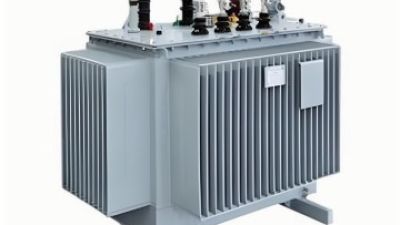
The demand for efficient energy solutions continues to rise as industries seek sustainable and cost-effective options. The S13 series 10kV oil immersed power transformer stands out in this context, embodying innovative design and advanced technology. Its fully sealed corrugated tank not only accommodates the thermal expansion and contraction of transformer oil but also extends the service life of the equipment amidst fluctuating loads and changing ambient conditions. This design also contributes to a compact footprint, making the S13 series suitable for various critical infrastructure applications.
According to industry reports, the S13-M series transformers deliver remarkable efficiency calculated by a significant reduction in both no-load and load losses. On average, users can expect a 45% decrease in no-load losses and a 35% reduction in load losses compared to traditional models, as referenced in the GB/T 6451 standards. Additionally, these transformers can lower overall operating costs by about 30%, translating to substantial savings for businesses over time. This level of efficiency not only promotes profitability but also aligns with global initiatives aimed at reducing carbon footprints and enhancing environmental sustainability in energy consumption.
: Integrating renewables reduces greenhouse gas emissions and supports sustainable energy practices. It promotes a cleaner power supply.
The fluctuating nature of renewable energy creates inconsistencies. This complicates the balance between supply and demand in operations.
Investing in energy storage systems can buffer intermittency. Utilizing smart grid technologies also aids in better load management.
Employees must adapt to evolving technologies. Continuous education enhances skills needed for both traditional and renewable power systems.
Many new substations embrace sustainability, using eco-friendly designs and recycled materials. This practice reduces environmental impact and operational costs.
Innovations like improved cooling technologies enhance efficiency. They minimize energy loss and align with goals for carbon neutrality.
Modular designs allow for incremental upgrades and flexible maintenance. They help utilities adapt to changing energy demands effectively.
Conducting thorough site assessments is vital. Understanding local conditions helps identify challenges and opportunities for new technologies.
Initial project costs may rise due to new technologies. There can also be a learning curve for contractors in sustainable practices.
It allows gradual integration of new technologies, minimizing disruptions. This approach often leads to lower long-term operational costs.
The landscape of Electric Power Substations is set to evolve significantly by 2026, driven by several emerging technologies and innovative practices. Enhanced automation and control systems are expected to optimize substation design, improving efficiency and reliability. Additionally, the integration of renewable energy sources will play a crucial role in operations, facilitating a smoother transition to sustainable energy systems.
Monitoring and diagnostics technologies will advance, allowing for proactive maintenance and reduced downtime. Sustainability practices will become integral during the construction of Electric Power Substations, using eco-friendly materials and methods. Furthermore, as cybersecurity threats grow, implementing robust measures will be essential to protect these critical infrastructures. The future of Electric Power Substations also points towards enhanced scalability and modularity, enabling utilities to adapt swiftly to changing energy demands and technological advancements.