Hey there! So, when we think about the constantly changing world of electrical systems, 2025is shaping up to be a big year. There are some exciting trends on the horizon that are going to change how industries tackle power solutions. According to the latest Market Research Report, the global Transformer Box market is expected to see a pretty decent growth rate of5.2%, mainly because everyone's looking for smarter ways to manage energy and integrate renewable resources. It's crucial for companies to keep up with these changes if they want to remain competitive and meet the growing demand for reliability and top-notch performance.
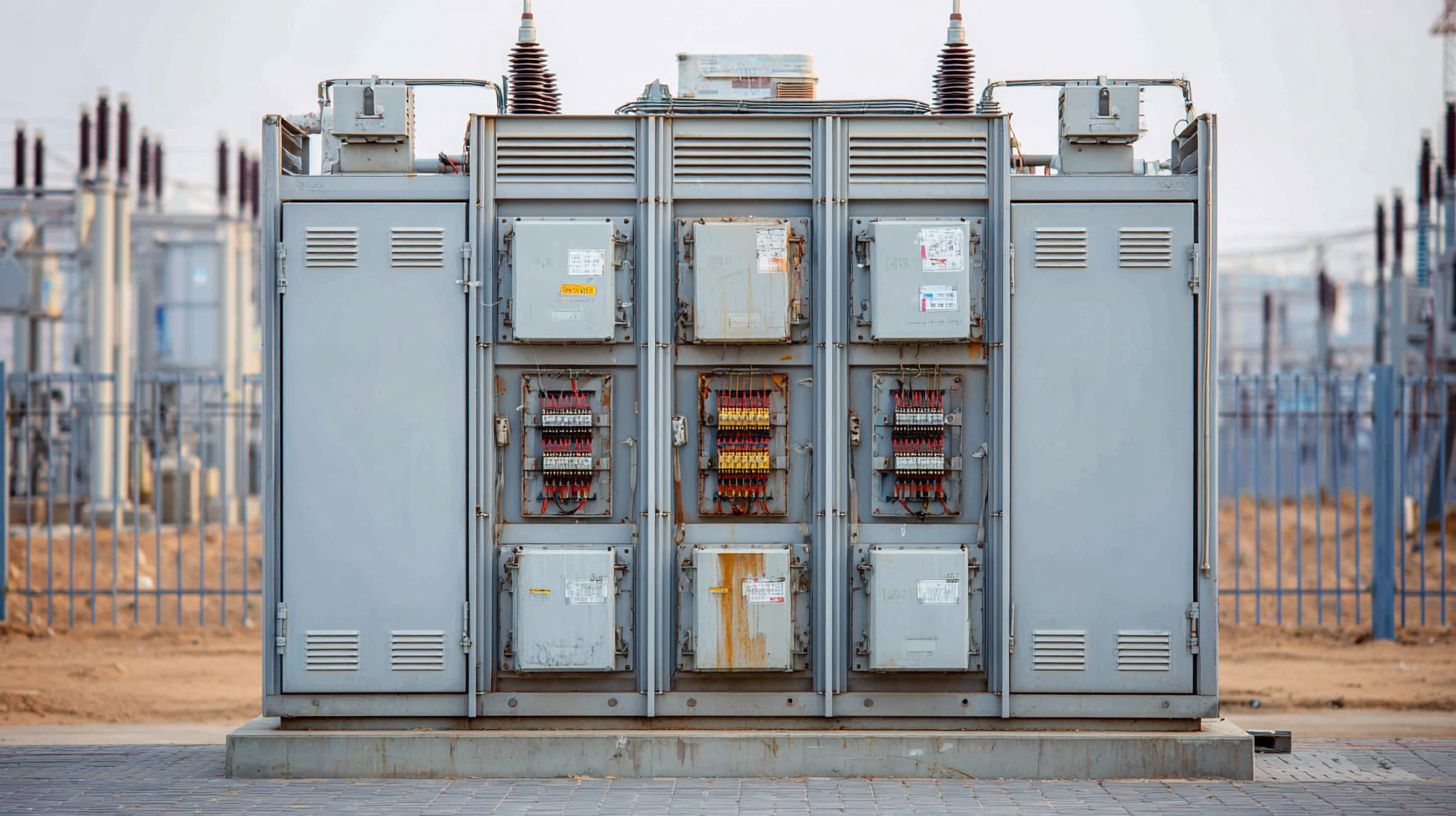
Among those leading the charge is Jiangxi Guoxiang Electric Power Equipment Co., Ltd. This company, which kicked off in 2016 as a national high-tech enterprise, is really making waves by offering a full range of power solutions—from research and development to engineering services. In this blog post, I’ll lay out a handy checklist for industries that are on the hunt for the best transformer box, so they’re all set to tackle the tech challenges of the future!
Key Features to Look for in Modern Transformer Boxes
So, when you're on the hunt for a modern transformer box, it’s really important to know what features to look for if you want it to perform well and last a long time. First off, pay attention to the efficiency rating. Going for high-efficiency models is a smart move since they cut down on energy loss, which means you'll save some cash in the long run and it’s better for the planet too! And don’t forget about features that help with heat management. Stuff like built-in cooling systems or materials that handle high temperatures are super important if you want it running smoothly.
Then there are the safety features — you definitely want to check those out. Look for things like surge protection, overcurrent protection, and monitoring systems that can give you a heads-up if something’s not right. It’s all about keeping things safe and sound! Also, make sure the transformer box has strong insulating materials and can handle different weather conditions, because you know, life happens.
Oh, and if it’s compatible with smart grid technology, that’s a huge plus! It makes it easier to integrate into the latest electrical systems and allows for remote monitoring and control. All these features not only boost performance but also ensure that the transformer box can handle today’s demands — and tomorrow’s too!
Innovative Materials and Technologies Shaping Electrical Systems
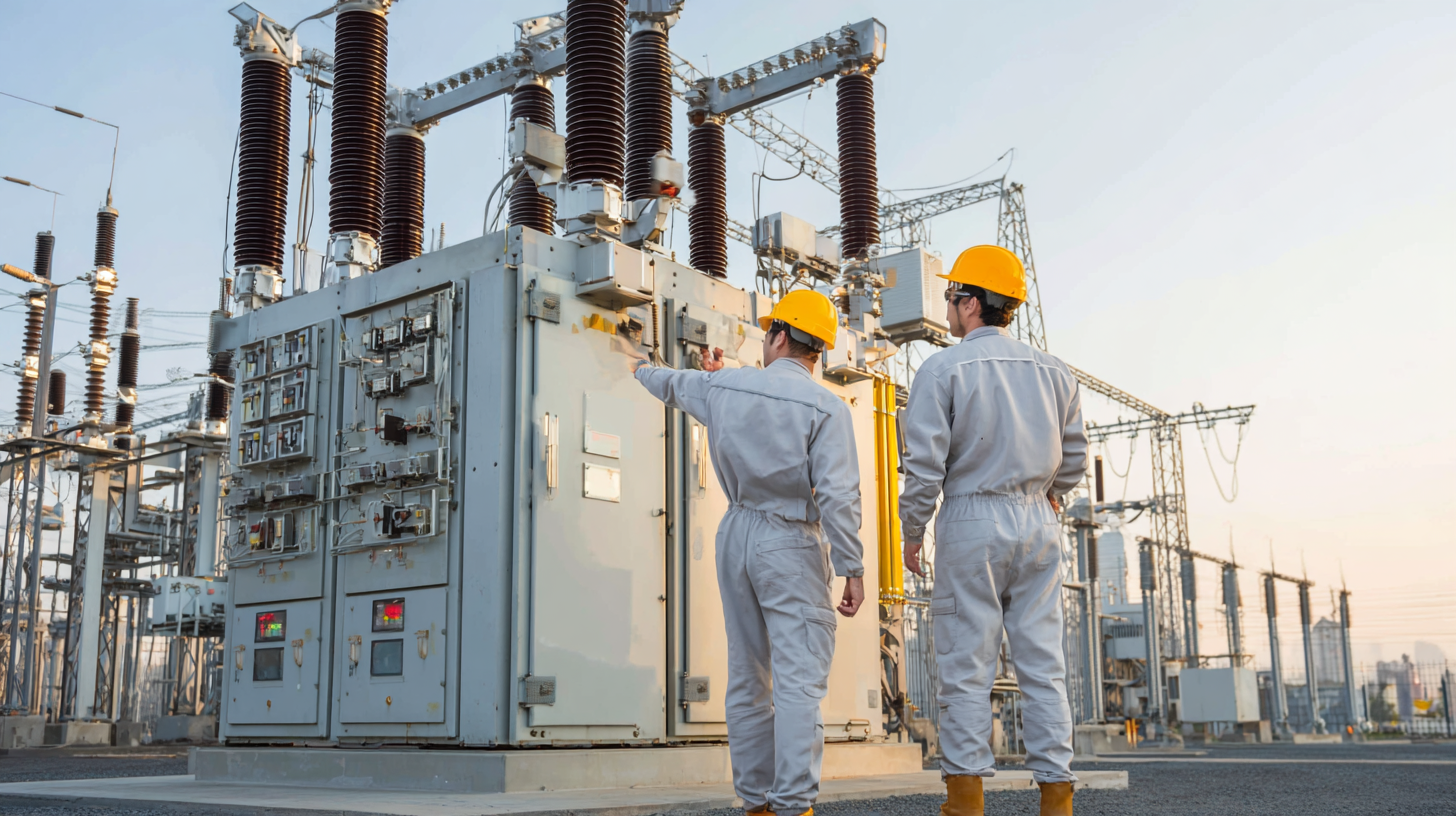
You know, the world of electrical systems is really changing right before our eyes, all thanks to some amazing new materials and tech. A recent report from the International Energy Agency suggests that by using these advanced materials, we could boost transformer efficiency by as much as 20%. That’s huge when it comes to saving energy and cutting down on operational costs. One cool area that’s getting a lot of attention is high-temperature superconducting materials. These are looking to be the key players in creating the next-gen transformer boxes—compact and super efficient, just what we need for our bustling cities!
But it doesn’t end there. Smart materials are also on the rise. You know, things like self-healing and flexible polymers? They’re totally changing the game regarding how reliable and durable electrical components can be. A study from MarketsandMarkets even predicts that the global market for smart materials in electrical stuff will soar past $25 billion by 2025. These materials not only help transformer boxes last longer but also let them keep tabs on their performance in real-time, which is pretty awesome for building smarter grids. For businesses out there, adopting these cutting-edge technologies is really a no-brainer if they want to stay competitive. With the growing demand for renewable energy and electrification on the horizon, it’s definitely a good time to jump on board!
Energy Efficiency Standards and Sustainability in Transformer Design
You know, when it comes to electrical systems these days, energy efficiency and sustainability aren't just buzzwords anymore—they're pretty much a must-have in transformer design. With all the pressure on organizations to comply with tougher environmental regulations and cut down on their carbon footprints, the spotlight on energy-efficient transformers has really grown. These transformers are crafted to not only reduce energy losses while they’re running but also to make use of sustainable materials and technologies that help lessen their overall impact on the environment.
There are several key things shaping the sustainability of transformer design, like using eco-friendly insulating fluids and adopting advanced cooling systems that really boost efficiency. It’s interesting to see that manufacturers are diving into recyclable materials more and more, and even looking into smarter transformers that can adjust energy distribution in real-time. Following energy efficiency standards doesn’t just tick the boxes for global sustainability—it also means saving money. Lower energy consumption means lower operating costs over the life of the transformer. So, by putting these elements front and center when choosing transformers, organizations are not just helping the planet—they're also ensuring that energy distribution stays reliable for everyone.
Comparative Analysis: Traditional vs. Smart Transformer Solutions
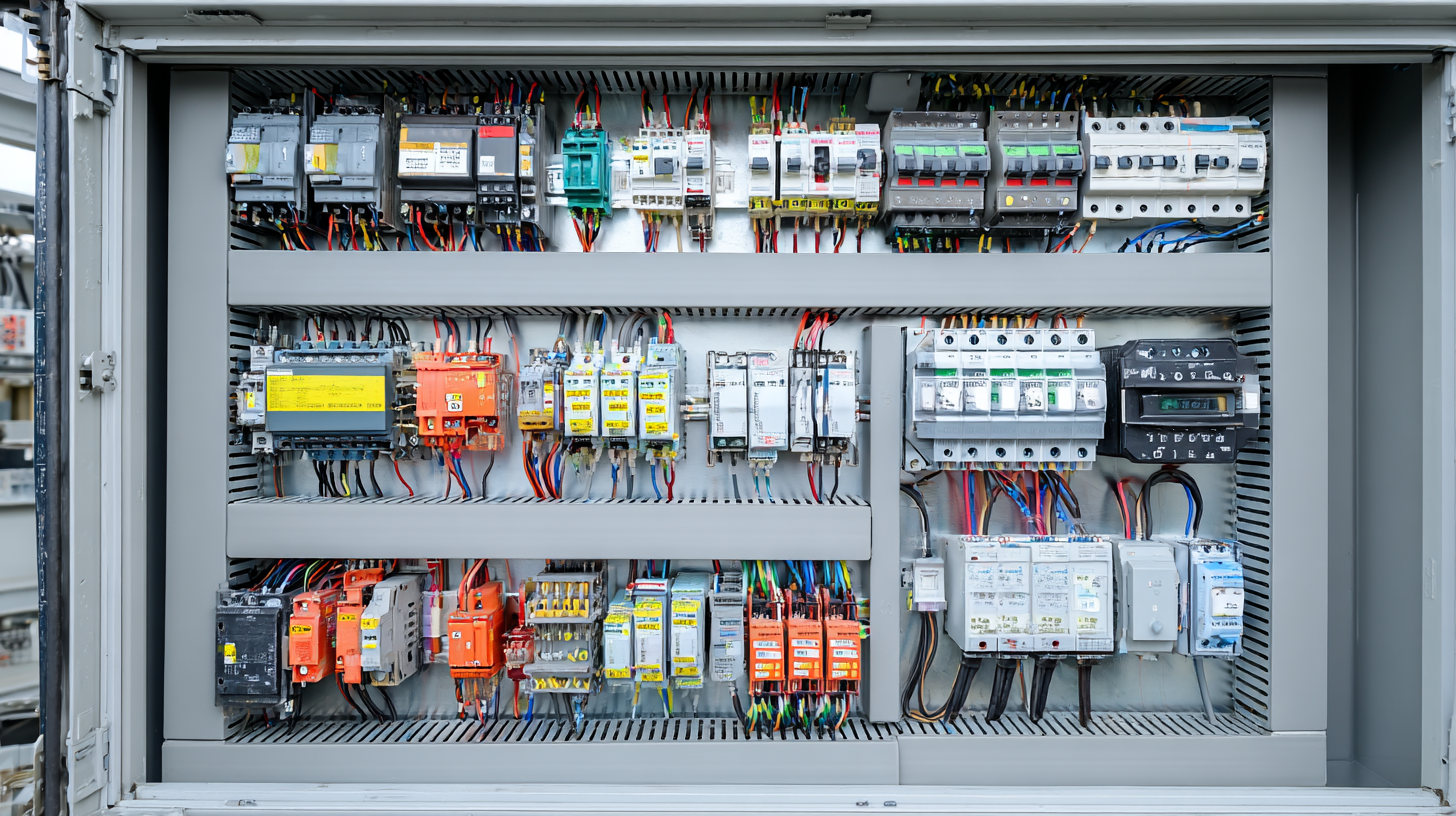
So, when we start thinking about what's next for electrical systems, we really need to look at how traditional transformers stack up against the newer smart transformer solutions. Now, traditional transformers are pretty reliable, don’t get me wrong, but they often struggle to keep up with the modern demands of our power grids. A report from the International Energy Agency points out that around 80% of the electricity worldwide still relies on these old-school transformers. They get the job done, but honestly, they’re becoming a bit of a choke point when it comes to efficiency and connecting with renewable energy sources.
On the flip side, smart transformers are pretty cool. They use advanced tech like the Internet of Things (IoT) and artificial intelligence (AI) to boost their functionality and make the grid more resilient. There’s this study from Research and Markets that predicts the smart transformer market will grow from $3.39 billion in 2021 to around $8.01 billion by 2026, with a whopping growth rate of 18.4%. What’s great about smart transformers is that they offer real-time monitoring and predictive maintenance, which really helps with integrating renewable energy smoothly. This not only makes energy distribution more efficient but also improves demand response strategies. In the end, that means lower operational costs and a smaller carbon footprint. As we gear up for 2025, it's becoming super clear that companies really need to think about adopting smart transformer solutions if they want to stay relevant in this ever-evolving energy landscape.
Future-Proofing: Preparing for the Next Generation of Electrical Infrastructure
As we head toward 2025, it’s becoming super important to think about future-proofing our electrical infrastructure. The International Energy Agency (IEA) estimates that global electricity demand will grow by about 2% each year. So, businesses and local governments really need to get on board with innovative solutions to keep up with what’s coming down the pipeline. One area that’s worth focusing on is transformer boxes—they're essential for making sure electrical distribution runs smoothly.
We're seeing a big shift toward smart grids and renewable energy, and that's changing how our electrical systems work. The market for transformer boxes is expected to hit a whopping $40 billion by 2025! That's thanks to cool new technologies and a stronger push for sustainability. By using smart transformer boxes that come with IoT features, we can get real-time data and predictive maintenance, which really boosts system reliability.
With energy efficiency being such a big deal these days, industries should really think about investing in transformers that have higher efficiency ratings—some can reach an impressive 98% efficiency, according to the U.S. Department of Energy. By making smart investments in strong transformer technology, stakeholders can set up an electrical infrastructure that’s ready to tackle the challenges of tomorrow's energy needs.
Insights from Industry Experts on Top Transformer Brands for 2025
You know, the landscape of electrical systems is really changing fast these days. With 2025 just around the corner, experts in the field are saying it’s more important than ever to choose the right transformer box to keep up with new demands. A recent report from Custom Market Insights pointed out that the global market for battery backup solutions is set to take off. Why? Well, there’s a growing need for reliable backup options and a real push toward energy efficiency. That definitely means we need to take a closer look at which transformer brands can handle these advanced electrical applications.
And speaking of changes, places like Nauru are seeing some pretty incredible growth in the tech sector—just check out the 91% increase in IT budgets and a 60% rise in remote tech jobs! It’s clear that the need for dependable power solutions is becoming a big deal. Companies like Jiangxi Guoxiang Electric Power Equipment Co., Ltd. are really stepping up to the plate here, providing some innovative integrated power solutions. Their dedication to research and development, along with how they cover everything from start to finish, puts them in a fantastic position to be a major player in the evolving electrical systems market. They’re all set to meet the growing demand for high-performance transformer boxes not just in 2025, but way beyond!
2025 Tech Trends in Electrical Systems: Essential Checklist for Choosing the Best Transformer Box
| Feature | Importance Rating (1-5) | Trends in 2025 |
| Energy Efficiency | 5 | Focus on eco-friendly materials and technologies |
| Smart Monitoring Capabilities | 4 | Integration with IoT for real-time data analysis |
| Compact Design | 4 | Space-saving innovations and lightweight materials |
| Customization Options | 3 | Flexible configurations to meet specific needs |
| Safety Features | 5 | Enhanced protection against overloads and faults |
| Cost of Ownership | 4 | Evaluating long-term savings beyond initial investment |
| Sustainability Compliance | 5 | Meeting regulations for environmental impact |
Enhancing Energy Efficiency: The Advantages of Combined Transformer Substations in European Design
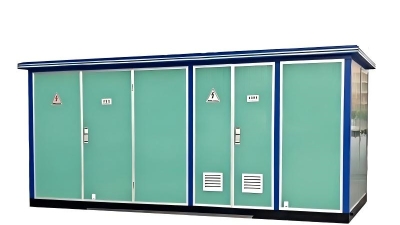
In the quest for enhanced energy efficiency within urban environments, the adoption of combined transformer substations has emerged as a vital trend across Europe. These advanced power distribution units, such as the YBW Series, exemplify how modern engineering can effectively address the growing demands for reliable and efficient energy solutions. According to a recent report by the European Commission, energy efficiency measures could lead to a reduction of up to 30% in energy consumption in buildings by 2030. Thus, the integration of design innovations like the YBW Series is not just timely but essential.
The YBW Series stands out due to its space-efficient design, occupying only 1/10 to 1/5 the footprint of conventional substations. This compactness is critical in densely populated areas where space is at a premium. Furthermore, this design significantly reduces both construction time and costs, estimated to decrease by up to 25% compared to traditional setups. As endorsed by the International Energy Agency (IEA), optimizing physical infrastructure is key to achieving sustainable urban energy systems, and the YBW Series supports this transition by facilitating grid modernization while ensuring safety and reliability through its fully sealed structure.
Additionally, the versatile adaptability of the YBW Series makes it ideal for a wide range of applications. Its mobile design is particularly advantageous for projects in both urban and rural settings that require quick upgrades to existing energy frameworks. As urbanization continues to escalate, driven by a projected 80% of the EU population living in cities by 2050, solutions that enhance energy distribution efficiency while minimizing downtime will play a pivotal role in meeting Europe’s sustainability goals.
FAQS
: Key features include a high efficiency rating, enhanced thermal management systems, safety mechanisms such as surge protection, integrated monitoring systems, robust insulating materials, weather-resistant housings, and compatibility with smart grid technology.
Traditional transformers are reliable but less versatile, often becoming bottlenecks in efficiency. Smart transformers utilize advanced technologies like IoT and AI for real-time monitoring and better integration of renewable energy sources, enhancing grid resilience and optimizing energy distribution.
The global smart transformer market is expected to grow from $3.39 billion in 2021 to $8.01 billion by 2026, reflecting a compound annual growth rate (CAGR) of 18.4%.
With global electricity demand anticipated to grow by 2% annually, future-proofing ensures that infrastructure can meet future requirements and adapt to advances in technology and changes in energy sources.
Transformer boxes are crucial for managing electrical distribution efficiently, and their design and technology significantly impact the overall performance of the electrical system.
Higher efficiency ratings, potentially achieving up to 98%, are recommended to minimize energy loss, reduce operational costs, and support sustainability initiatives.
Smart transformers equipped with IoT capabilities provide real-time analytics and predictive maintenance, significantly improving the reliability and efficiency of electrical systems.
Advancements in digital technology, the transition to smart grids, and a growing emphasis on sustainability are key factors driving the market for transformer boxes, projected to reach $40 billion by 2025.